Nehru’s letters not private property, told Sonia Gandhi to return them: Govt
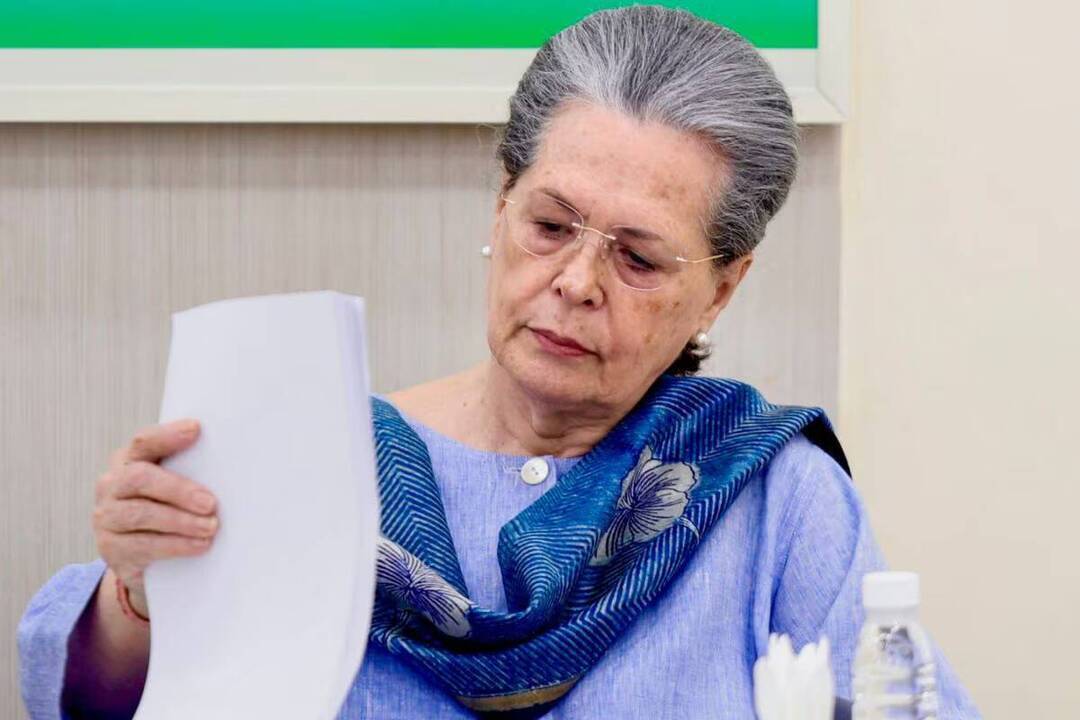
The Ministry of Culture has made a significant statement regarding the letters of former Prime Minister Jawaharlal Nehru, stating that they are not private property and have requested Sonia Gandhi to return them. According to the ministry, these letters are a part of the nation’s documentary heritage and are of great historical importance. The ministry has written two letters to Sonia Gandhi in January and July 2025, requesting her to return the letters, which are currently in her possession.
The issue of Nehru’s letters has been a topic of discussion for quite some time now, with many wondering about their whereabouts. The Ministry of Culture has now clarified that the letters are not missing, but are with Sonia Gandhi, and the government is seeking their return. This move by the government has sparked a debate about the ownership and preservation of historical documents, with many questioning why the letters are with Sonia Gandhi in the first place.
The Ministry of Culture has stated that the letters are a part of the nation’s cultural heritage and are of great significance to the country’s history. They have also emphasized that these letters are not private property and should be preserved and protected for future generations. The government’s request to Sonia Gandhi to return the letters is seen as a step towards preserving the country’s historical documents and making them accessible to the public.
The letters in question are a collection of correspondence between Jawaharlal Nehru and other prominent leaders of the time, including Mahatma Gandhi and Subhas Chandra Bose. These letters provide valuable insights into the country’s struggle for independence and the role of Nehru in shaping the nation’s history. The letters are also a testament to Nehru’s vision for the country and his efforts to build a modern and secular India.
The government’s move to seek the return of Nehru’s letters has been welcomed by many historians and scholars, who believe that these documents are of great historical significance and should be preserved and protected. They have also praised the government’s efforts to make these documents accessible to the public, which will help to promote a greater understanding of the country’s history and its cultural heritage.
However, some have raised questions about the government’s motives behind seeking the return of the letters. Some have alleged that the government is trying to undermine the legacy of the Nehru-Gandhi family, while others have questioned why the government did not take steps to preserve these documents earlier.
Despite these concerns, the government’s move to seek the return of Nehru’s letters is seen as a positive step towards preserving the country’s cultural heritage. The Ministry of Culture has stated that the letters will be preserved and protected in a secure facility, where they will be accessible to historians and scholars for research purposes.
The government’s efforts to preserve and protect the country’s cultural heritage are not limited to Nehru’s letters. The Ministry of Culture has been working towards preserving and promoting the country’s rich cultural heritage, including its monuments, museums, and historical documents. The government has also launched several initiatives to promote cultural tourism and to make the country’s cultural heritage more accessible to the public.
In conclusion, the Ministry of Culture’s statement that Nehru’s letters are not private property and should be returned to the government is a significant development. The government’s efforts to preserve and protect the country’s cultural heritage are commendable, and the return of Nehru’s letters is a positive step towards promoting a greater understanding of the country’s history and its cultural significance.
The government’s move to seek the return of Nehru’s letters has sparked a debate about the ownership and preservation of historical documents. While some have raised concerns about the government’s motives, others have welcomed the move as a positive step towards preserving the country’s cultural heritage. As the debate continues, one thing is clear – the preservation and protection of the country’s cultural heritage are of great importance, and the government’s efforts to promote and preserve it are commendable.
About the Author