Nehru’s letters not private property, told Sonia Gandhi to return them: Govt
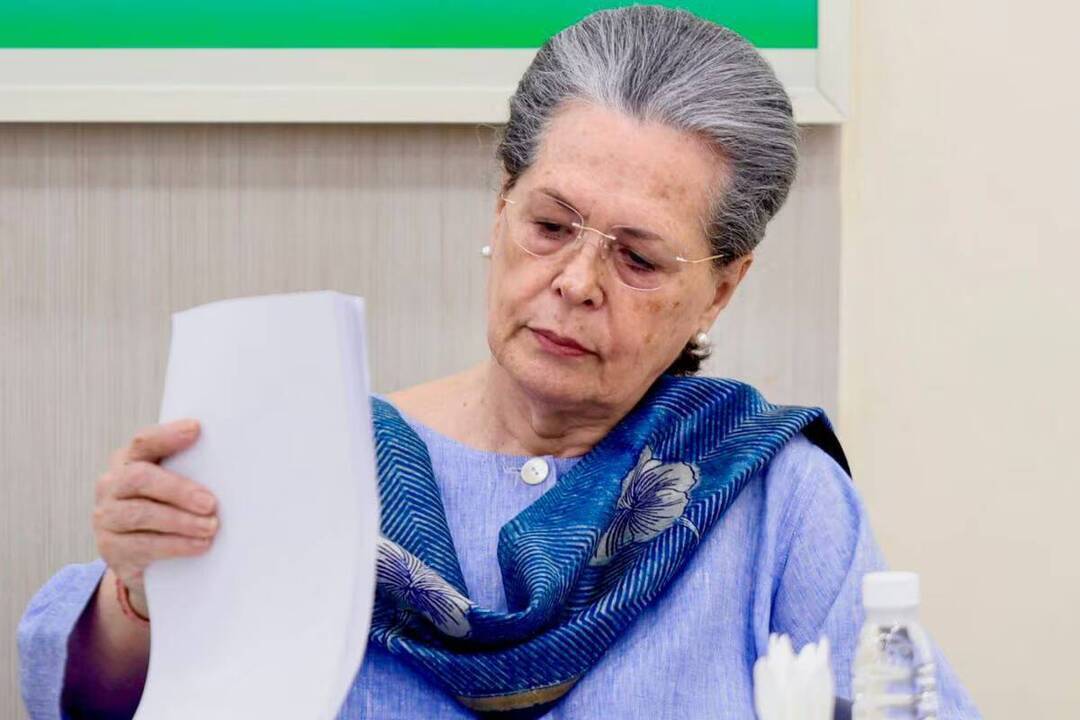
The Ministry of Culture has sparked a significant debate by stating that the letters of former Prime Minister Jawaharlal Nehru are not private property. In a recent development, the ministry has revealed that they have requested Sonia Gandhi, the widow of former Prime Minister Rajiv Gandhi, to return the letters written by Nehru. The ministry’s stance is that these letters are a part of the nation’s documentary heritage and should be preserved for the benefit of the public.
According to the Ministry of Culture, the letters written by Nehru are an integral part of India’s history and cultural legacy. They are a testament to the country’s struggle for independence and the vision of its founding fathers. The ministry believes that these letters should be accessible to the public, historians, and researchers, allowing them to gain a deeper understanding of the country’s past and its evolution over the years.
The ministry stated that they have written two letters to Sonia Gandhi, one in January 2025 and another in July 2025, requesting her to return the letters. The government’s primary concern is that these letters are a national treasure and should be preserved in a manner that allows future generations to learn from them. By requesting Sonia Gandhi to return the letters, the government is attempting to ensure that this valuable historical resource is not lost or misplaced.
The issue of Nehru’s letters has been a subject of controversy for some time now. There have been reports suggesting that a significant number of Nehru’s personal papers and letters are in the possession of the Gandhi family. While some have argued that these letters are private property and should remain with the family, others have contended that they are a part of the nation’s cultural heritage and should be accessible to the public.
The Ministry of Culture’s stance on this issue is clear: Nehru’s letters are not private property, and they should be preserved and protected for the benefit of the nation. The government’s request to Sonia Gandhi to return the letters is a step in this direction. By taking this initiative, the government is demonstrating its commitment to preserving India’s cultural legacy and making it accessible to the public.
It is worth noting that the preservation of historical documents and letters is a critical aspect of a nation’s cultural heritage. These documents provide valuable insights into the country’s past, its struggles, and its achievements. They serve as a reminder of the sacrifices made by the nation’s founding fathers and the vision they had for the country.
In the case of Nehru’s letters, they offer a unique glimpse into the life and times of one of India’s most revered leaders. They provide valuable insights into his thoughts, his vision, and his approach to governance. By preserving these letters, the government can ensure that future generations have access to this valuable historical resource, allowing them to learn from the past and build a better future.
The government’s request to Sonia Gandhi to return Nehru’s letters has sparked a debate about the ownership of historical documents and letters. While some have argued that these letters are private property and should remain with the family, others have contended that they are a part of the nation’s cultural heritage and should be preserved for the public good.
In conclusion, the Ministry of Culture’s decision to request Sonia Gandhi to return Nehru’s letters is a step in the right direction. By preserving these letters, the government can ensure that this valuable historical resource is accessible to the public, allowing them to learn from the past and build a better future. The government’s stance on this issue is clear: Nehru’s letters are not private property, and they should be preserved and protected for the benefit of the nation.
About the Author