Nehru’s letters not private property, told Sonia Gandhi to return them: Govt
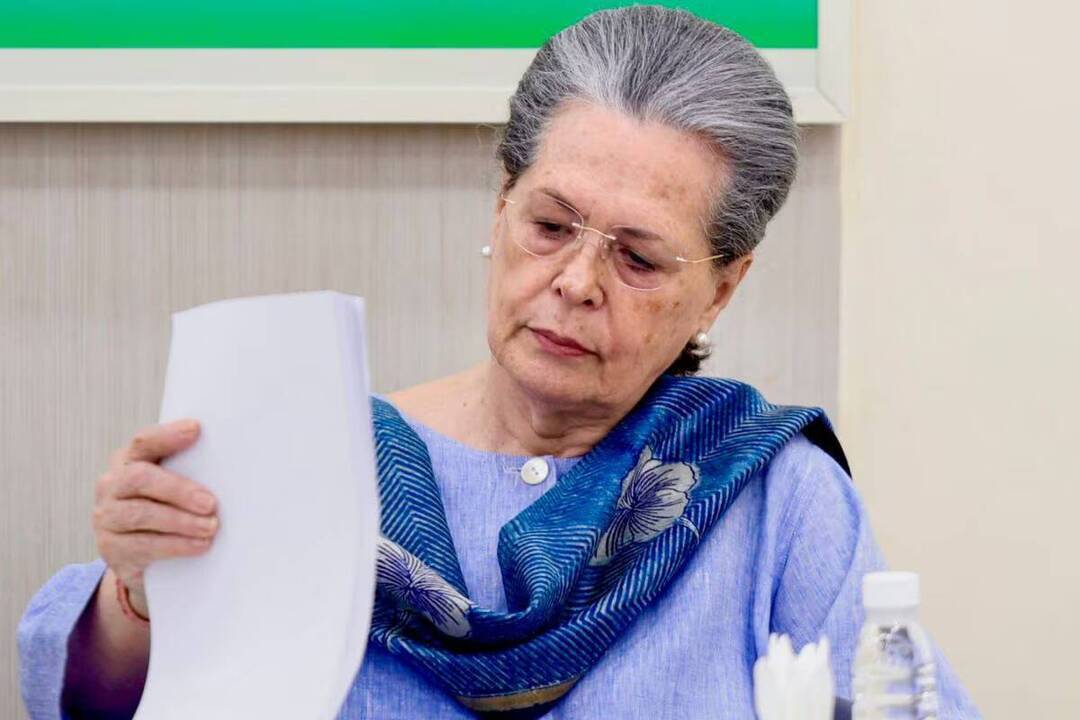
The Ministry of Culture has sparked a controversy by stating that the letters of former Prime Minister Jawaharlal Nehru are not private property and should be returned to the government. According to the ministry, these letters are a part of the nation’s documentary heritage and are of immense historical significance. The ministry has written to Sonia Gandhi, the widow of former Prime Minister Rajiv Gandhi and a member of the Nehru-Gandhi family, requesting that she return the letters.
The issue came to light when the Ministry of Culture stated that the letters were not missing, but were in the possession of Sonia Gandhi. The ministry clarified that they had written two letters to Sonia Gandhi in January and July 2025, requesting that she return the letters to the government. The ministry’s statement has raised questions about the ownership and custody of historical documents and artifacts in India.
The Ministry of Culture has argued that the letters of Jawaharlal Nehru are an important part of India’s history and should be preserved and protected by the government. The ministry has stated that these letters are a national treasure and should be accessible to the public and scholars for research and study. The ministry has also argued that the letters are not private property and should not be in the possession of any individual or family.
The Nehru-Gandhi family has been in possession of the letters for many years, and it is not clear how they came into their possession. The family has not commented on the issue, but it is likely that they will resist any attempt by the government to take possession of the letters. The family may argue that the letters are a part of their personal heritage and should be kept in their possession.
The issue raises important questions about the ownership and custody of historical documents and artifacts in India. Who should have custody of historical documents and artifacts? Should they be in the possession of the government, or should they be in the possession of private individuals and families? What are the rights of the government and private individuals and families with respect to historical documents and artifacts?
In India, the ownership and custody of historical documents and artifacts are governed by various laws and regulations. The Ancient Monuments and Archaeological Sites and Remains Act, 1958, and the Antiquities and Art Treasures Act, 1972, are two of the main laws that govern the ownership and custody of historical documents and artifacts. These laws provide for the protection and preservation of historical documents and artifacts and regulate their sale, transfer, and export.
However, the laws are not clear on the issue of ownership and custody of historical documents and artifacts. The laws do not provide clear guidance on who should have custody of historical documents and artifacts, and what are the rights of the government and private individuals and families with respect to these documents and artifacts.
The issue of the Nehru letters highlights the need for clear laws and regulations governing the ownership and custody of historical documents and artifacts in India. The government should clarify the laws and regulations governing the ownership and custody of historical documents and artifacts and ensure that these documents and artifacts are preserved and protected for future generations.
The Ministry of Culture’s request to Sonia Gandhi to return the Nehru letters is a step in the right direction. The ministry’s statement that the letters are not private property and should be returned to the government is a clear assertion of the government’s rights with respect to historical documents and artifacts. The ministry’s action should be seen as an attempt to protect and preserve India’s cultural heritage and to ensure that historical documents and artifacts are accessible to the public and scholars for research and study.
In conclusion, the issue of the Nehru letters highlights the need for clear laws and regulations governing the ownership and custody of historical documents and artifacts in India. The Ministry of Culture’s request to Sonia Gandhi to return the letters is a step in the right direction, and the government should clarify the laws and regulations governing the ownership and custody of historical documents and artifacts. The government should ensure that these documents and artifacts are preserved and protected for future generations, and that they are accessible to the public and scholars for research and study.
The issue is not just about the Nehru letters, but about the broader question of who should have custody of historical documents and artifacts in India. The government should take a proactive approach to protecting and preserving India’s cultural heritage, and should ensure that historical documents and artifacts are not lost or destroyed.
The Ministry of Culture’s action should be seen as an attempt to protect and preserve India’s cultural heritage, and to ensure that historical documents and artifacts are accessible to the public and scholars for research and study. The government should continue to take steps to protect and preserve India’s cultural heritage, and should ensure that historical documents and artifacts are preserved and protected for future generations.
About the Author