Nehru’s letters not private property, told Sonia Gandhi to return them: Govt
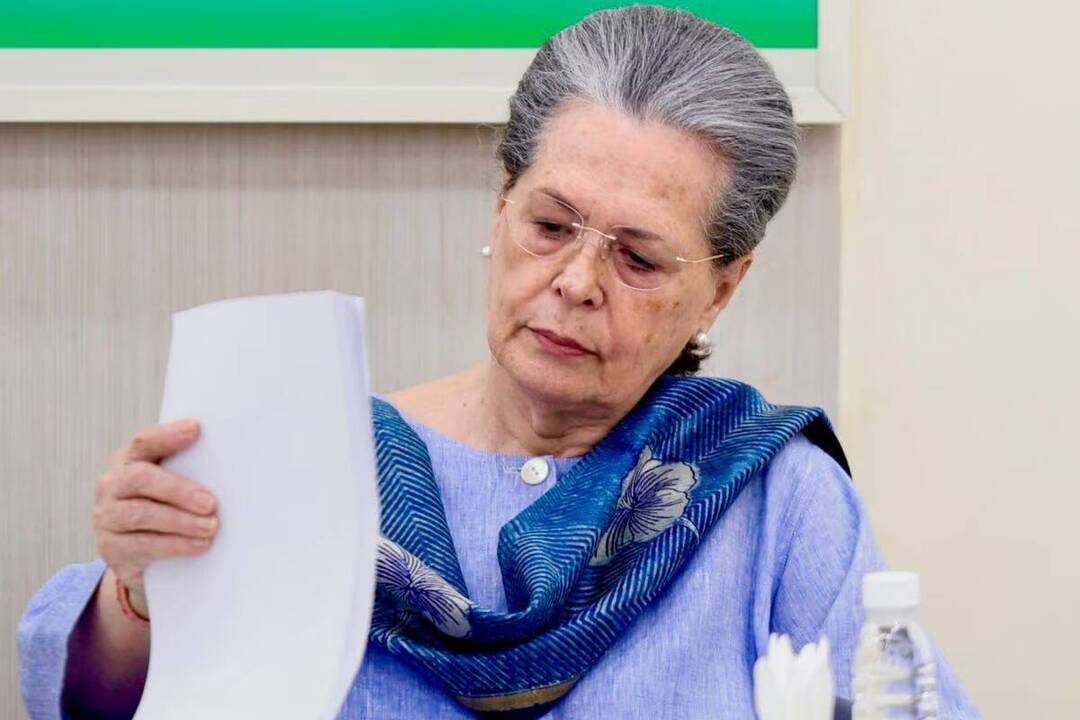
The Ministry of Culture has sparked a significant debate by stating that the letters of former Prime Minister Jawaharlal Nehru are not private property. In a recent statement, the ministry has revealed that they have asked Sonia Gandhi, the widow of Rajiv Gandhi and a member of the Nehru-Gandhi family, to return these historic letters. The ministry’s stance is that the letters are a part of the nation’s documentary heritage and should be preserved and protected for the benefit of the public.
According to the Ministry of Culture, the letters in question are a collection of correspondence written by Jawaharlal Nehru during his time as Prime Minister. These letters provide valuable insights into the country’s history, politics, and social landscape during a pivotal period in India’s development. The ministry argues that as a result, they are an integral part of the nation’s cultural heritage and should be accessible to the public.
The ministry stated that they have written two letters to Sonia Gandhi in January and July 2025, requesting the return of the letters. The move is seen as an effort to reclaim and preserve the country’s historical documents, which are considered national treasures. By seeking the return of the letters, the government is asserting its claim over the nation’s cultural heritage and emphasizing the importance of preserving historical artifacts for future generations.
The issue of Nehru’s letters has been a topic of discussion for some time, with many historians and scholars advocating for their preservation and accessibility. The letters are considered a vital part of India’s historical record, offering a unique glimpse into the thoughts, ideas, and decisions of one of the country’s most influential leaders. By returning the letters to the government, Sonia Gandhi would be contributing to the preservation of the nation’s cultural heritage and ensuring that these valuable documents are protected and made available to the public.
The Ministry of Culture’s decision to seek the return of Nehru’s letters is also seen as a move to promote transparency and accountability in the preservation of historical documents. The government’s stance is that historical artifacts, including letters and other documents, should be preserved and protected for the benefit of the public, rather than being held in private possession.
In recent years, there has been a growing concern about the preservation of historical documents and artifacts in India. Many historical documents and artifacts have been lost or damaged due to neglect, poor storage, or lack of funding. The government’s initiative to reclaim and preserve Nehru’s letters is a step in the right direction, as it highlights the importance of preserving the nation’s cultural heritage and ensuring that historical documents are protected and made available to the public.
The move to seek the return of Nehru’s letters has also sparked a debate about the ownership and preservation of historical documents. While some argue that historical documents should be preserved and protected by the government, others contend that private individuals and families have a right to possess and preserve historical artifacts. However, in the case of Nehru’s letters, the Ministry of Culture’s stance is clear: the letters are a part of the nation’s documentary heritage and should be returned to the government for preservation and protection.
In conclusion, the Ministry of Culture’s decision to seek the return of Nehru’s letters is a significant move towards preserving the nation’s cultural heritage. The letters are a valuable part of India’s historical record, and their preservation is essential for promoting transparency, accountability, and accessibility. By returning the letters to the government, Sonia Gandhi would be contributing to the preservation of the nation’s cultural heritage and ensuring that these valuable documents are protected and made available to the public.
The government’s initiative to reclaim and preserve Nehru’s letters is a step in the right direction, and it highlights the importance of preserving historical documents and artifacts. As the nation continues to grow and develop, it is essential to protect and preserve its cultural heritage, including historical documents and artifacts. The Ministry of Culture’s stance on Nehru’s letters sets a precedent for the preservation of historical documents and artifacts, and it emphasizes the importance of promoting transparency, accountability, and accessibility in the preservation of the nation’s cultural heritage.
About the Author