Nehru’s letters not private property, told Sonia Gandhi to return them: Govt
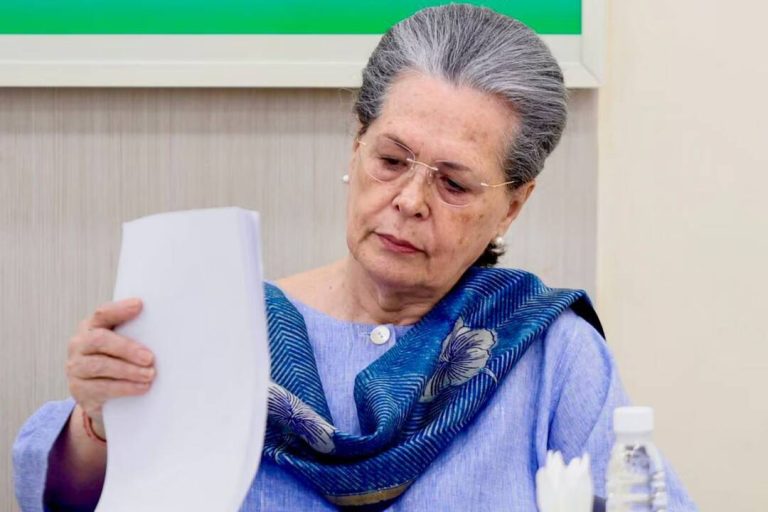
The Ministry of Culture has sparked a significant debate by stating that the letters of former Prime Minister Jawaharlal Nehru are not private property and therefore, do not belong to any individual or family. In a recent announcement, the ministry revealed that they have requested Sonia Gandhi, the widow of former Prime Minister Rajiv Gandhi, to return the letters written by Jawaharlal Nehru. According to the ministry, these letters are an integral part of the nation’s documentary heritage and should be preserved and protected for the benefit of the country.
The Ministry of Culture stated that they have written two letters to Sonia Gandhi in January and July 2025, requesting her to return the letters written by Nehru. The ministry’s stance is that these letters are a vital part of India’s history and cultural legacy, and as such, they should be accessible to the public and preserved for future generations. By requesting Sonia Gandhi to return the letters, the government is emphasizing the importance of preserving national heritage and making it accessible to the public.
The issue of Nehru’s letters has been a topic of discussion for several years, with many questioning why these historical documents are in the possession of the Gandhi family. While the family has maintained that the letters are a personal collection, the government’s stance is that they are a national treasure and should be treated as such. The Ministry of Culture’s request to Sonia Gandhi is a clear indication that the government is committed to preserving India’s cultural and historical heritage.
The concept of national heritage is not limited to physical monuments or structures; it also includes documents, artifacts, and other historical records that provide insight into a nation’s past. In the case of Nehru’s letters, they offer a unique perspective on India’s history, particularly during the country’s early years as an independent nation. The letters are a window into the thoughts, feelings, and experiences of one of India’s most influential leaders, and as such, they are an invaluable resource for historians, researchers, and the general public.
By requesting the return of Nehru’s letters, the government is also highlighting the importance of transparency and accountability in preserving national heritage. When historical documents are in the possession of private individuals or families, there is a risk that they may be lost, damaged, or destroyed. By bringing these documents under the control of the government or public institutions, the risk of damage or loss is significantly reduced, and they can be preserved for the benefit of future generations.
The Ministry of Culture’s request to Sonia Gandhi has sparked a debate about the ownership of historical documents and the role of the government in preserving national heritage. While some have argued that the letters are a personal collection and should remain with the Gandhi family, others have welcomed the government’s initiative to preserve India’s cultural and historical legacy. The issue is not just about the ownership of Nehru’s letters; it is about the broader principle of preserving national heritage and making it accessible to the public.
In recent years, there has been a growing recognition of the importance of preserving national heritage, particularly in the context of historical documents and artifacts. The government has taken several initiatives to preserve and promote India’s cultural legacy, including the establishment of museums, archives, and other cultural institutions. The request to Sonia Gandhi to return Nehru’s letters is a significant step in this direction, as it emphasizes the importance of preserving historical documents and making them accessible to the public.
The Ministry of Culture’s stance on Nehru’s letters is also significant in the context of India’s history and cultural legacy. Nehru was a towering figure in Indian politics, and his letters offer a unique insight into the country’s early years as an independent nation. By preserving these letters, the government is ensuring that future generations can learn from India’s past and appreciate the significance of Nehru’s contribution to the country’s development.
In conclusion, the Ministry of Culture’s request to Sonia Gandhi to return Nehru’s letters is a significant step in preserving India’s cultural and historical heritage. The government’s stance is clear: historical documents and artifacts are not private property, but rather a national treasure that should be preserved and protected for the benefit of the country. By requesting the return of Nehru’s letters, the government is emphasizing the importance of transparency, accountability, and preservation of national heritage. As India continues to grow and develop, it is essential that the country preserves its cultural and historical legacy, and the Ministry of Culture’s initiative is a significant step in this direction.
About the Author