Nehru’s letters not private property, told Sonia Gandhi to return them: Govt
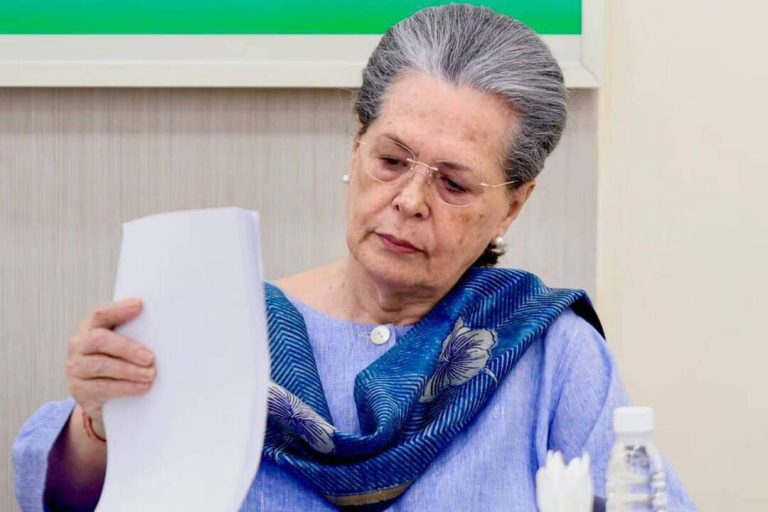
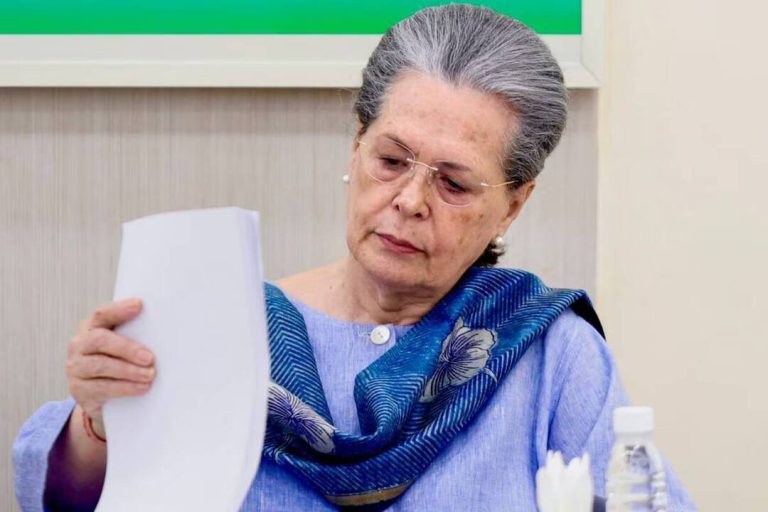
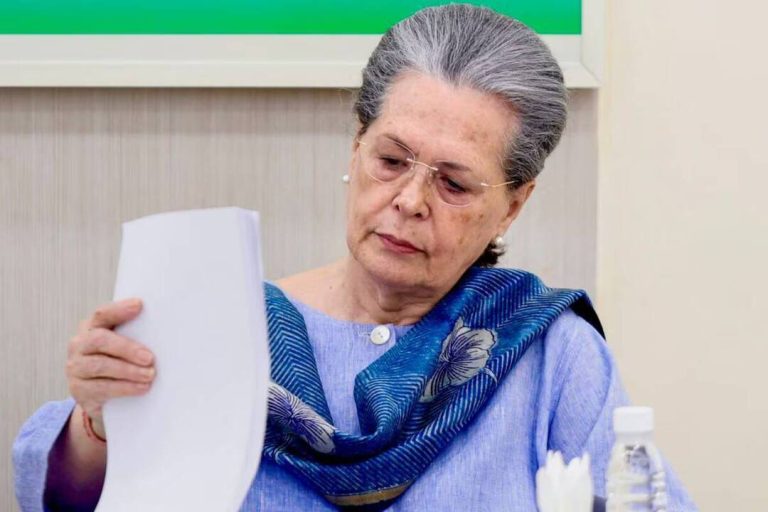
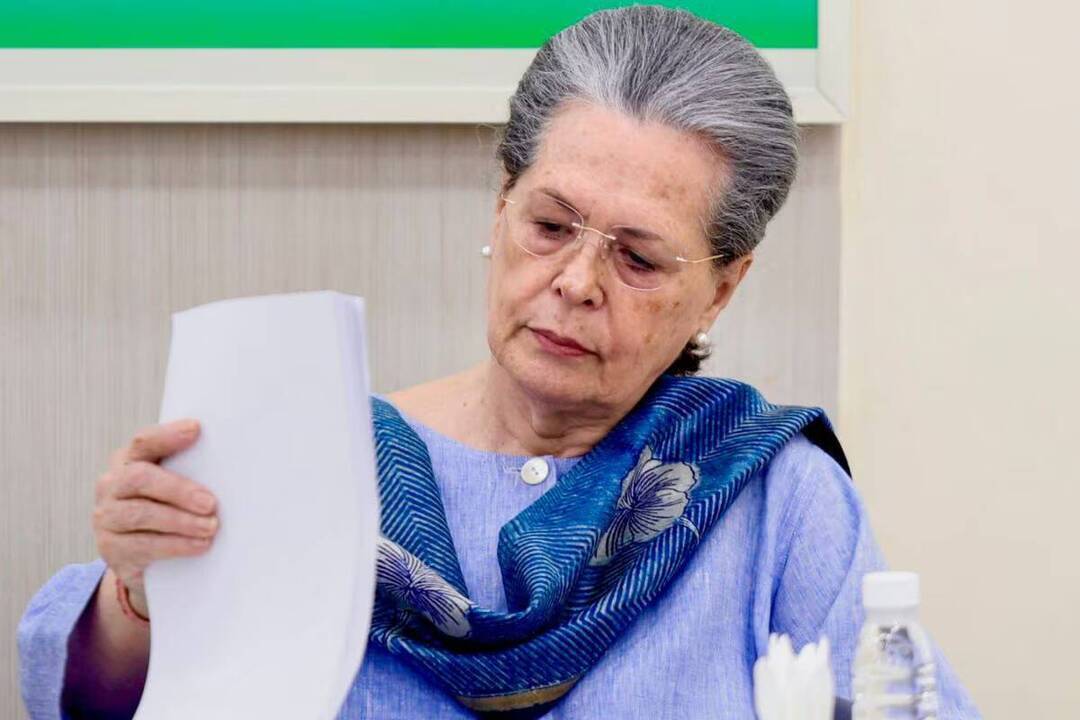
The Ministry of Culture has sparked a significant debate by stating that the letters of former Prime Minister Jawaharlal Nehru are not private property and should be returned to the government. The ministry has claimed that these letters are a part of the nation’s documentary heritage and are of immense historical significance. As a result, they have written to Sonia Gandhi, the widow of former Prime Minister Rajiv Gandhi, requesting that she return these letters to the government.
According to the Ministry of Culture, the letters of Jawaharlal Nehru are an integral part of the country’s history and are a valuable resource for researchers, historians, and scholars. The ministry has stated that these letters provide a unique insight into the life and times of one of India’s most influential leaders and are a testament to the country’s rich cultural and historical heritage. By returning these letters to the government, Sonia Gandhi will be ensuring that they are preserved for future generations and are accessible to those who want to learn from them.
The Ministry of Culture has written two letters to Sonia Gandhi, one in January 2025 and another in July 2025, requesting that she return the letters of Jawaharlal Nehru. The ministry has stated that these letters are not private property and are a part of the nation’s cultural heritage. The government has made it clear that it is not trying to deprive Sonia Gandhi of her family’s history but is instead trying to preserve the country’s documentary heritage for the benefit of all citizens.
This development has sparked a significant debate, with many questioning why the government is seeking to retrieve these letters now. Some have argued that the government is trying to undermine the legacy of the Nehru-Gandhi family, while others have welcomed the move, stating that the letters are a part of the country’s history and should be preserved for the benefit of all.
The issue of preserving historical documents and artifacts is a complex one, and the government’s move to retrieve the letters of Jawaharlal Nehru has highlighted the need for a clear policy on the preservation of historical documents. The government has stated that it is committed to preserving the country’s cultural heritage and will take all necessary steps to ensure that historical documents and artifacts are protected and preserved for future generations.
In recent years, there have been several instances of historical documents and artifacts being lost or destroyed, highlighting the need for a clear policy on preservation. The government has stated that it is committed to addressing this issue and will work with all stakeholders to ensure that the country’s cultural heritage is protected and preserved.
The retrieval of the letters of Jawaharlal Nehru is a significant development, and it remains to be seen how this issue will unfold. The government has made it clear that it is committed to preserving the country’s cultural heritage, and the return of these letters will be an important step in this process. As the debate surrounding this issue continues, one thing is clear: the preservation of historical documents and artifacts is essential for understanding our past and shaping our future.
The Ministry of Culture’s move to retrieve the letters of Jawaharlal Nehru has also highlighted the importance of transparency and accountability in the preservation of historical documents. The government has stated that it is committed to transparency and will ensure that all historical documents and artifacts are preserved and protected in a transparent and accountable manner.
In conclusion, the Ministry of Culture’s move to retrieve the letters of Jawaharlal Nehru is a significant development that has sparked a debate about the preservation of historical documents and artifacts. The government has stated that these letters are not private property and are a part of the nation’s documentary heritage. The return of these letters will be an important step in preserving the country’s cultural heritage, and it remains to be seen how this issue will unfold.
As the government continues to work towards preserving the country’s cultural heritage, it is essential that all stakeholders, including citizens, researchers, and historians, are involved in this process. The preservation of historical documents and artifacts is a complex issue, and it requires a collaborative effort to ensure that these documents and artifacts are protected and preserved for future generations.
The Ministry of Culture’s move to retrieve the letters of Jawaharlal Nehru is a significant step in this process, and it highlights the need for a clear policy on the preservation of historical documents. The government has stated that it is committed to preserving the country’s cultural heritage, and the return of these letters will be an important step in this process.
About the Author