Nehru’s letters not private property, told Sonia Gandhi to return them: Govt
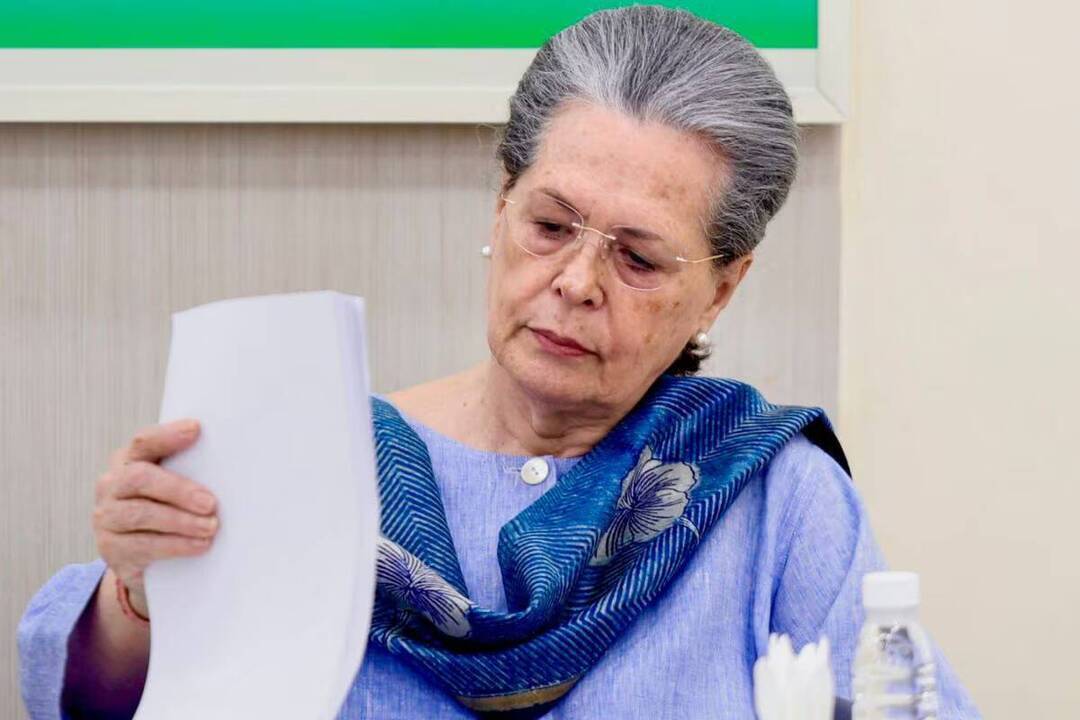
The Ministry of Culture has sparked a significant debate by stating that the letters of former Prime Minister Jawaharlal Nehru are not private property. In a recent development, the ministry has asked Sonia Gandhi to return these letters, citing that they are a part of the nation’s documentary heritage. This move has raised questions about the ownership and preservation of historical documents, particularly those belonging to prominent figures in Indian history.
According to the Ministry of Culture, the letters in question are an essential part of India’s cultural and historical legacy. As such, they should be preserved and protected for future generations to access and learn from. The ministry has written two letters to Sonia Gandhi, one in January and another in July 2025, requesting that she return the letters to the government. This move is seen as an effort to ensure that these historical documents are safeguarded and made available to the public.
The issue of ownership and preservation of historical documents is a complex one. While some argue that personal letters and documents belong to the individual or their family, others contend that they are an integral part of the nation’s cultural heritage and should be preserved for the public good. In the case of Jawaharlal Nehru’s letters, the Ministry of Culture has taken the stance that they are not private property, but rather a part of India’s documentary heritage.
This is not the first time that the issue of preserving historical documents has come to the forefront. In recent years, there have been several instances where historical documents and artifacts have been lost, damaged, or destroyed due to neglect or lack of proper preservation. The Ministry of Culture’s move to request the return of Nehru’s letters is seen as a step in the right direction, as it highlights the importance of preserving India’s cultural and historical legacy.
Sonia Gandhi, as a member of the Nehru-Gandhi family, has been in possession of the letters for several years. While it is not clear why the Ministry of Culture has chosen to request their return now, it is likely that the move is part of a broader effort to preserve and protect India’s cultural heritage. The ministry may also be seeking to ensure that the letters are properly preserved and made available to the public, rather than remaining in private hands.
The request to return the letters has sparked a debate about the role of the government in preserving historical documents. While some argue that the government should play a more active role in preserving and protecting India’s cultural heritage, others contend that this is an overreach of government authority. The issue is further complicated by the fact that the letters in question belong to a prominent historical figure, and their preservation and protection are seen as essential to understanding India’s history and cultural legacy.
In recent years, there have been several instances where historical documents and artifacts have been preserved and protected through government efforts. For example, the National Archives of India has played a crucial role in preserving and protecting historical documents, including those belonging to prominent figures such as Mahatma Gandhi and Jawaharlal Nehru. The Ministry of Culture’s move to request the return of Nehru’s letters is seen as a continuation of these efforts, and highlights the importance of preserving India’s cultural and historical legacy.
The Ministry of Culture’s request to Sonia Gandhi to return the letters has also raised questions about the future of historical document preservation in India. As the country continues to grow and develop, it is essential that efforts are made to preserve and protect its cultural and historical legacy. This includes not only documents and artifacts but also historical sites and monuments. The government, in partnership with private organizations and individuals, must work to ensure that India’s cultural heritage is preserved for future generations.
In conclusion, the Ministry of Culture’s move to request the return of Jawaharlal Nehru’s letters is a significant development in the preservation and protection of India’s cultural and historical legacy. The issue of ownership and preservation of historical documents is complex, and there are valid arguments on both sides. However, it is clear that the Ministry of Culture is taking a proactive approach to preserving India’s documentary heritage, and this move is seen as a step in the right direction.
As the debate surrounding the preservation of historical documents continues, it is essential that the government, private organizations, and individuals work together to ensure that India’s cultural and historical legacy is preserved for future generations. This includes not only documents and artifacts but also historical sites and monuments. By working together, we can ensure that India’s rich cultural heritage is protected and preserved for years to come.
About the Author