Nehru’s letters not private property, told Sonia Gandhi to return them: Govt
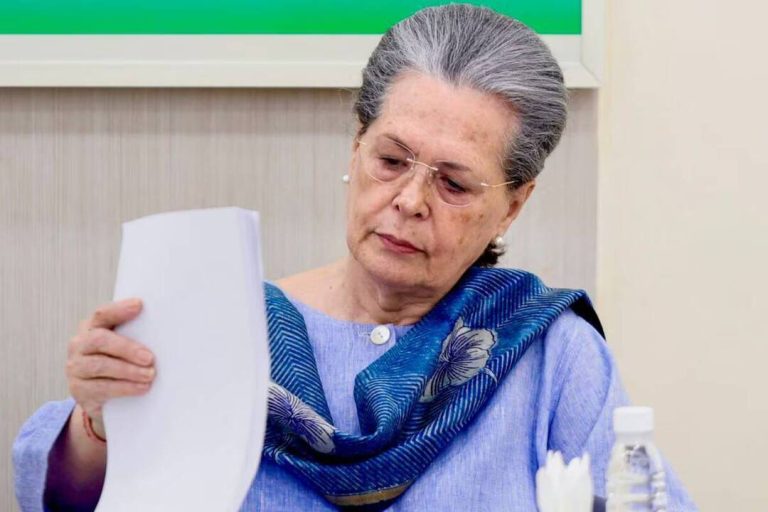
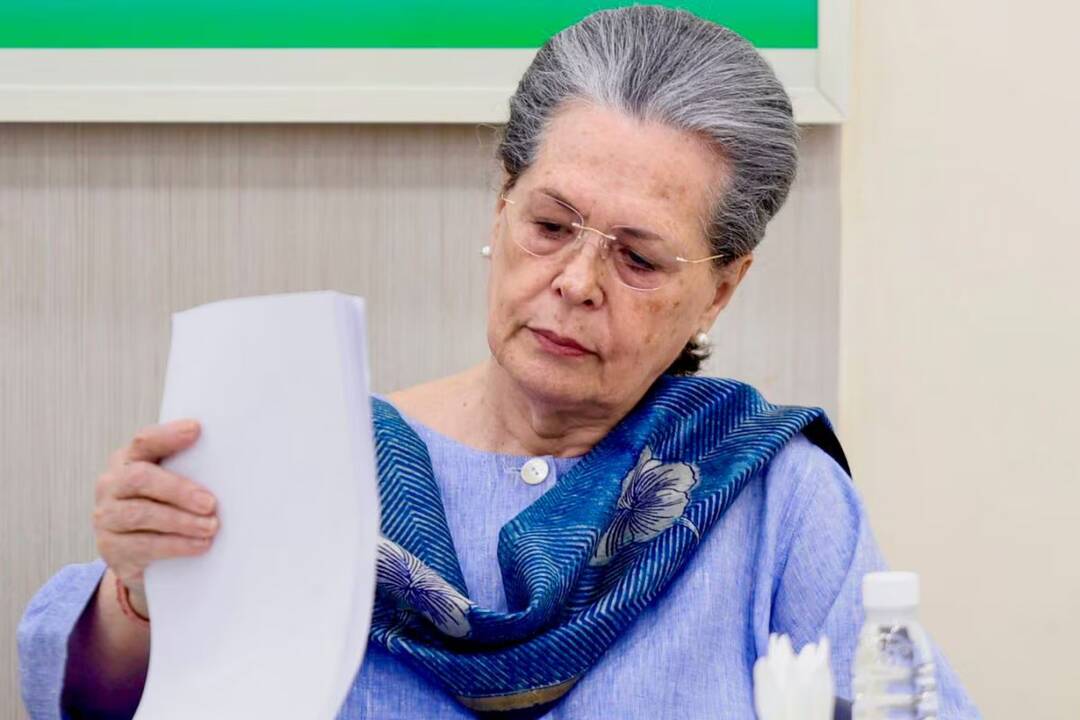
The Ministry of Culture has sparked a significant debate by stating that the letters of former Prime Minister Jawaharlal Nehru are not private property. The ministry has asserted that these letters are, in fact, the nation’s documentary heritage and has requested Sonia Gandhi, the widow of former Prime Minister Rajiv Gandhi, to return them. This development has brought to light the importance of preserving historical documents and the role of the government in safeguarding the country’s cultural heritage.
According to the Ministry of Culture, the letters of Jawaharlal Nehru are a vital part of India’s history and are essential for understanding the country’s struggle for independence and its subsequent development. The ministry has stated that these letters provide valuable insights into the thoughts, ideas, and experiences of one of India’s most influential leaders and are, therefore, a national treasure. As such, the ministry has argued that these letters are not the private property of any individual or family, but rather belong to the nation as a whole.
The Ministry of Culture has revealed that it has written two letters to Sonia Gandhi, one in January 2025 and the other in July 2025, requesting her to return the letters of Jawaharlal Nehru. The ministry has stated that it is the rightful custodian of these letters and is responsible for preserving and protecting them for future generations. The ministry has also emphasized that it is committed to making these letters accessible to the public and to ensuring that they are preserved in a manner that is consistent with international standards.
The issue of the letters of Jawaharlal Nehru has been the subject of controversy in recent years, with some reports suggesting that they had gone missing. However, the Ministry of Culture has clarified that the letters are not missing, but are, in fact, in the possession of Sonia Gandhi. The ministry has stated that it is seeking the return of these letters in order to ensure that they are preserved and protected for the benefit of the nation.
The decision of the Ministry of Culture to seek the return of the letters of Jawaharlal Nehru has significant implications for the preservation of India’s cultural heritage. The ministry’s assertion that these letters are not private property, but rather the nation’s documentary heritage, highlights the importance of safeguarding the country’s historical documents. This move is also likely to set a precedent for the treatment of other historical documents and artifacts that are currently in the possession of private individuals or families.
The role of the government in preserving the country’s cultural heritage is a critical one. The Ministry of Culture has a responsibility to ensure that historical documents and artifacts are protected and preserved for future generations. This includes not only the letters of Jawaharlal Nehru, but also other important documents and artifacts that are an integral part of India’s history and culture.
In recent years, there has been an increasing recognition of the importance of preserving India’s cultural heritage. The government has launched several initiatives aimed at protecting and promoting the country’s historical documents, artifacts, and cultural traditions. These initiatives include the establishment of museums, archives, and cultural institutions, as well as programs aimed at preserving and promoting India’s intangible cultural heritage.
The decision of the Ministry of Culture to seek the return of the letters of Jawaharlal Nehru is a significant step in this direction. By asserting that these letters are not private property, but rather the nation’s documentary heritage, the ministry is emphasizing the importance of preserving the country’s historical documents for the benefit of the nation. This move is likely to have far-reaching implications for the preservation of India’s cultural heritage and is a testament to the government’s commitment to safeguarding the country’s history and culture.
In conclusion, the Ministry of Culture’s decision to seek the return of the letters of Jawaharlal Nehru is a significant development that highlights the importance of preserving India’s cultural heritage. The ministry’s assertion that these letters are not private property, but rather the nation’s documentary heritage, emphasizes the need for the government to play a proactive role in safeguarding the country’s historical documents and artifacts. As the nation continues to evolve and grow, it is essential that its cultural heritage is protected and preserved for future generations.
About the Author