Nehru’s letters not private property, told Sonia Gandhi to return them: Govt
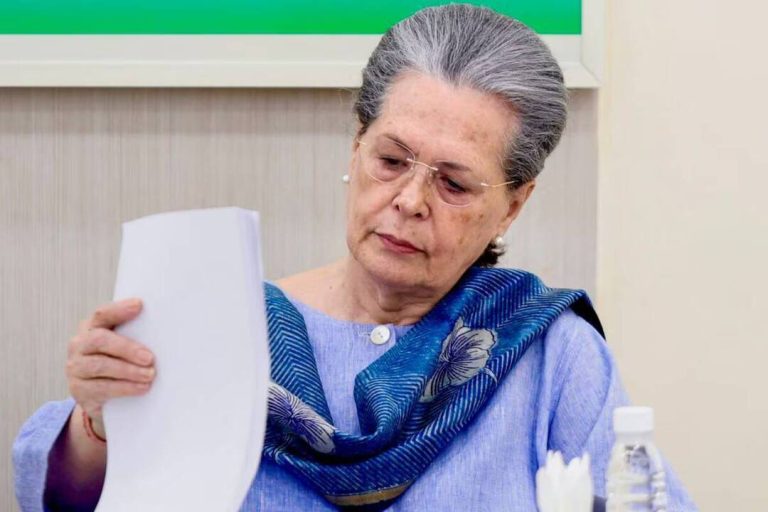
The Ministry of Culture has sparked a significant debate by stating that the letters of former Prime Minister Jawaharlal Nehru are not private property and have requested Sonia Gandhi to return them. According to the ministry, these letters are an integral part of the nation’s documentary heritage, and as such, they belong to the nation, not to any individual or family.
The Ministry of Culture has written two letters to Sonia Gandhi, in January and July 2025, requesting the return of Nehru’s letters. The ministry’s stance is clear: these letters are a vital part of India’s history and cultural legacy, and it is essential to preserve them for future generations. By stating that the letters are not private property, the government is asserting its claim to these historical documents and emphasizing their significance to the nation.
The issue of Nehru’s letters has been a subject of controversy for some time now. There have been reports suggesting that a large number of Nehru’s letters and other documents are missing, and there have been allegations that these documents have been misplaced or deliberately destroyed. However, the Ministry of Culture has clarified that the letters are not missing but are in the possession of Sonia Gandhi.
The ministry’s request to Sonia Gandhi to return the letters is a significant development in this controversy. By asking her to return the letters, the government is sending a clear message that these documents are not private property and that they belong to the nation. The government’s stance is that these letters are an essential part of India’s history and cultural heritage, and it is the responsibility of the government to preserve and protect them.
The issue of Nehru’s letters raises important questions about the ownership and preservation of historical documents. In India, there have been numerous instances where historical documents and artifacts have been lost or destroyed due to neglect or deliberate action. The government’s assertion that Nehru’s letters are not private property is a significant step towards preserving the nation’s cultural heritage.
The Ministry of Culture’s request to Sonia Gandhi to return the letters is also significant because it highlights the importance of preserving historical documents. Nehru’s letters are a valuable resource for historians and researchers, providing valuable insights into India’s history and the country’s struggle for independence. By preserving these letters, the government can ensure that future generations have access to these important historical documents.
The government’s stance on Nehru’s letters also raises questions about the role of the state in preserving cultural heritage. In India, the state has a critical role to play in preserving the nation’s cultural legacy, including historical documents and artifacts. The Ministry of Culture’s request to Sonia Gandhi to return the letters is a significant step towards fulfilling this responsibility.
In conclusion, the Ministry of Culture’s statement that Nehru’s letters are not private property and the request to Sonia Gandhi to return them is a significant development in the controversy surrounding these historical documents. The government’s stance is clear: these letters are an integral part of the nation’s documentary heritage, and it is essential to preserve them for future generations. By asserting its claim to these historical documents, the government is emphasizing the importance of preserving the nation’s cultural legacy and fulfilling its responsibility to protect and preserve the nation’s heritage.
The controversy surrounding Nehru’s letters also highlights the need for a clear policy on the preservation and ownership of historical documents. In India, there is a need for a comprehensive policy that outlines the procedures for preserving and protecting historical documents and artifacts. Such a policy would help to ensure that historical documents like Nehru’s letters are preserved and protected for future generations.
The Ministry of Culture’s request to Sonia Gandhi to return the letters is a significant step towards preserving the nation’s cultural heritage. However, it is essential to ensure that the government follows up on this request and takes concrete steps to preserve and protect Nehru’s letters and other historical documents. By doing so, the government can fulfill its responsibility to protect and preserve the nation’s cultural legacy and ensure that future generations have access to these important historical documents.
About the Author