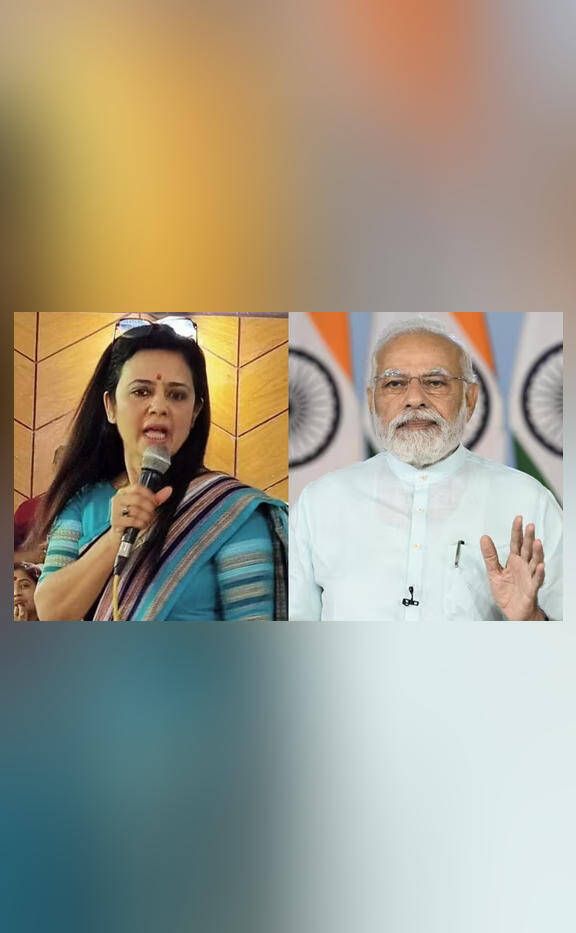
Mahua wrongly corrects PM Modi, calls Sarojini Bose ‘Sarojini Naidu’
In a recent incident in Parliament, Prime Minister Narendra Modi mentioned the story of Sarojini Bose, who had vowed not to wear her gold bangles until the ban on ‘Vande Mataram’ was lifted in the early 1900s. However, Trinamool Congress (TMC) MP Mahua Moitra attempted to correct the Prime Minister, shouting “Naidu, sir” – mistakenly referring to Sarojini Bose as Sarojini Naidu.
This gaffe has sparked a wave of criticism, with many questioning Mahua Moitra’s knowledge of Indian history and the freedom struggle. BJP’s Pradeep Bhandari took to X to express his disappointment, saying, “She doesn’t know Bose and Naidu were two different women…she should pick up a book.” This statement highlights the need for politicians to be well-versed in the country’s history and to respect the contributions of freedom fighters like Sarojini Bose and Sarojini Naidu.
Sarojini Bose, also known as Sarojini Devi, was a freedom fighter and a close associate of Rabindranath Tagore. She was known for her bravery and her role in the Indian independence movement. On the other hand, Sarojini Naidu was a prominent poet, politician, and women’s rights activist. While both women were influential figures in Indian history, they were distinct individuals with their own contributions to the freedom struggle.
The incident has raised questions about the level of knowledge and respect that politicians have for India’s rich history and cultural heritage. It is essential for leaders to be aware of the sacrifices and contributions made by freedom fighters like Sarojini Bose, who played a significant role in shaping the country’s destiny.
The Prime Minister’s mention of Sarojini Bose’s vow not to wear her gold bangles until the ban on ‘Vande Mataram’ was lifted is a testament to the sacrifices made by many Indians during the freedom struggle. ‘Vande Mataram’ is a patriotic song that was written by Bankim Chandra Chattopadhyay and was a symbol of the Indian independence movement. The song was banned by the British colonial authorities, and many Indians, including Sarojini Bose, protested against this ban.
In the early 1900s, the British government had imposed a ban on ‘Vande Mataram’, deeming it a seditious song. However, this ban only strengthened the resolve of Indians to fight for their freedom. Sarojini Bose’s vow not to wear her gold bangles until the ban was lifted is a powerful example of the sacrifices made by many Indians during this period.
The incident has also sparked a debate about the need for politicians to be well-versed in Indian history and culture. It is essential for leaders to have a deep understanding of the country’s rich heritage and to respect the contributions made by freedom fighters like Sarojini Bose and Sarojini Naidu.
In conclusion, the incident highlights the need for politicians to be aware of Indian history and to respect the contributions made by freedom fighters. It is essential for leaders to have a deep understanding of the country’s rich cultural heritage and to avoid making mistakes that can be perceived as disrespecting the sacrifices made by many Indians during the freedom struggle.
As Pradeep Bhandari said, Mahua Moitra should “pick up a book” and learn about the contributions made by Sarojini Bose and Sarojini Naidu. This incident serves as a reminder that politicians must be knowledgeable about Indian history and culture, and that they must respect the sacrifices made by freedom fighters who shaped the country’s destiny.
Source: https://x.com/pradip103/status/1997964203391410410
About the Author