Maharashtra minister Bhujbal discharged in money laundering case
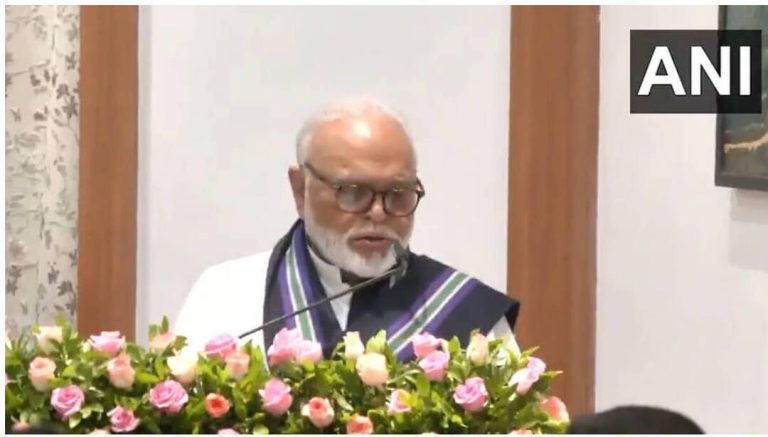
In a significant development, Maharashtra minister and senior NCP leader Chhagan Bhujbal, his son Pankaj, and nephew Sameer have been discharged in a money laundering case related to the alleged multi-crore Maharashtra Sadan scam. The discharge comes as a major relief to the Bhujbal family, who have been facing allegations of corruption and money laundering for several years.
The court’s decision to discharge the Bhujbals was based on the fact that there was no generation of proceeds of crime, a crucial element required to prosecute someone under the Prevention of Money Laundering Act (PMLA). The court observed that without the generation of proceeds of crime, it would be like “a tree without roots” to prosecute the accused under the PMLA.
The Maharashtra Sadan scam dates back to 2015, when Chhagan Bhujbal was the Public Works Department (PWD) minister in the Congress-NCP government. The allegations against him and his family members centered around the construction of the Maharashtra Sadan building in New Delhi, which was built at a cost of over Rs 100 crore. The complainant had alleged that Bhujbal and his family members had misused their official positions to award contracts to favored companies and had laundered money to the tune of hundreds of crores.
However, after a thorough investigation, the court has found that there is no evidence to support the allegations of money laundering against the Bhujbals. The court’s decision is a significant setback to the prosecution, which had been building a case against the Bhujbals for several years.
The discharge of the Bhujbals has sparked a mixed reaction from political parties and commentators. While the NCP has welcomed the court’s decision, opposition parties have expressed disappointment and vowed to continue their fight against corruption. The discharge has also raised questions about the effectiveness of the PMLA and the ability of investigative agencies to gather evidence in complex cases.
The PMLA is a powerful law that aims to prevent and punish money laundering in India. However, the law has been criticized for its complexity and the difficulties faced by investigative agencies in gathering evidence. The discharge of the Bhujbals highlights the challenges faced by prosecutors in securing convictions under the PMLA.
The case against the Bhujbals was investigated by the Enforcement Directorate (ED), which is responsible for enforcing the PMLA. The ED had filed a chargesheet against the Bhujbals, alleging that they had laundered money to the tune of hundreds of crores. However, the court has found that the ED’s evidence is not sufficient to support the allegations.
The discharge of the Bhujbals is a significant development in the case, but it is not the end of the road. The prosecution can still appeal the court’s decision, and the case can continue to be investigated by the ED. However, for now, the Bhujbals can breathe a sigh of relief as they have been cleared of the allegations of money laundering.
In conclusion, the discharge of Maharashtra minister Chhagan Bhujbal and his family members in the money laundering case related to the Maharashtra Sadan scam is a significant development. The court’s decision highlights the challenges faced by prosecutors in securing convictions under the PMLA and raises questions about the effectiveness of the law. The case will continue to be watched closely by political parties, commentators, and the public, as it has significant implications for the fight against corruption in India.
About the Author