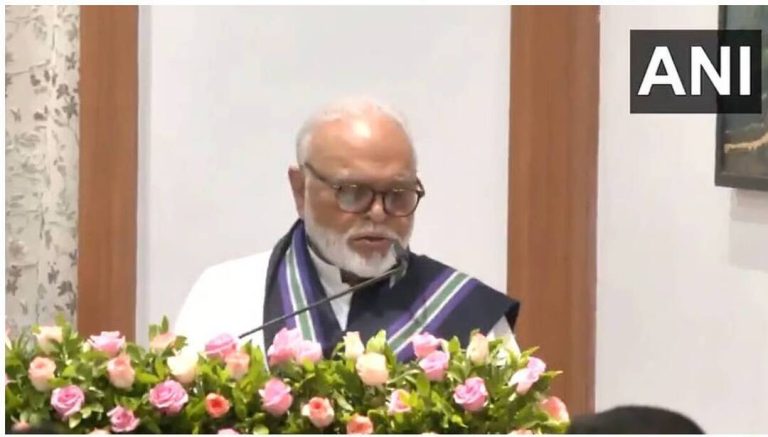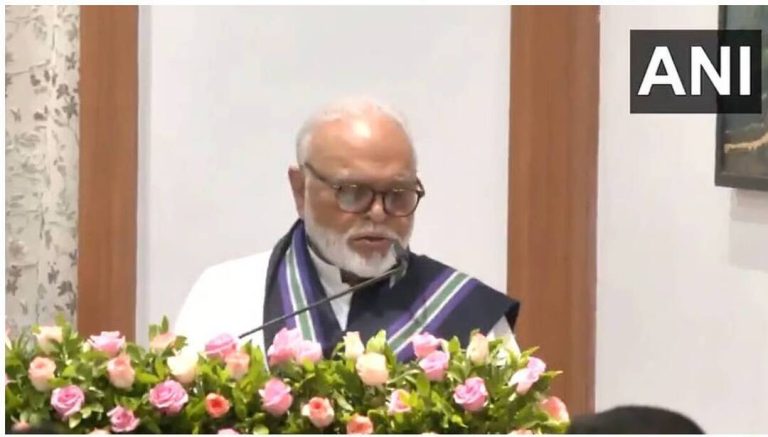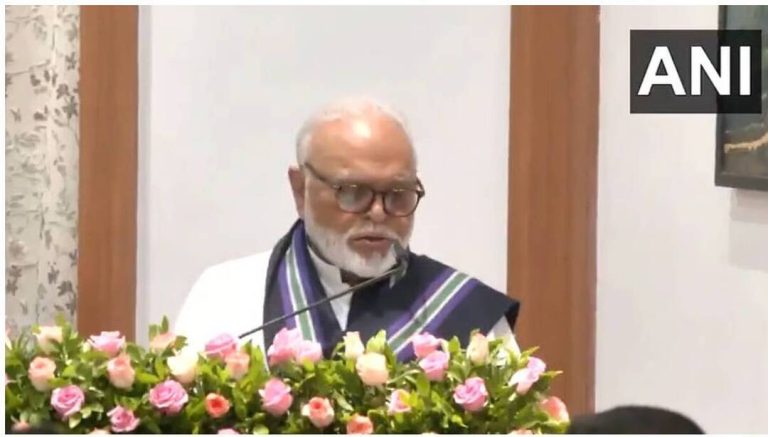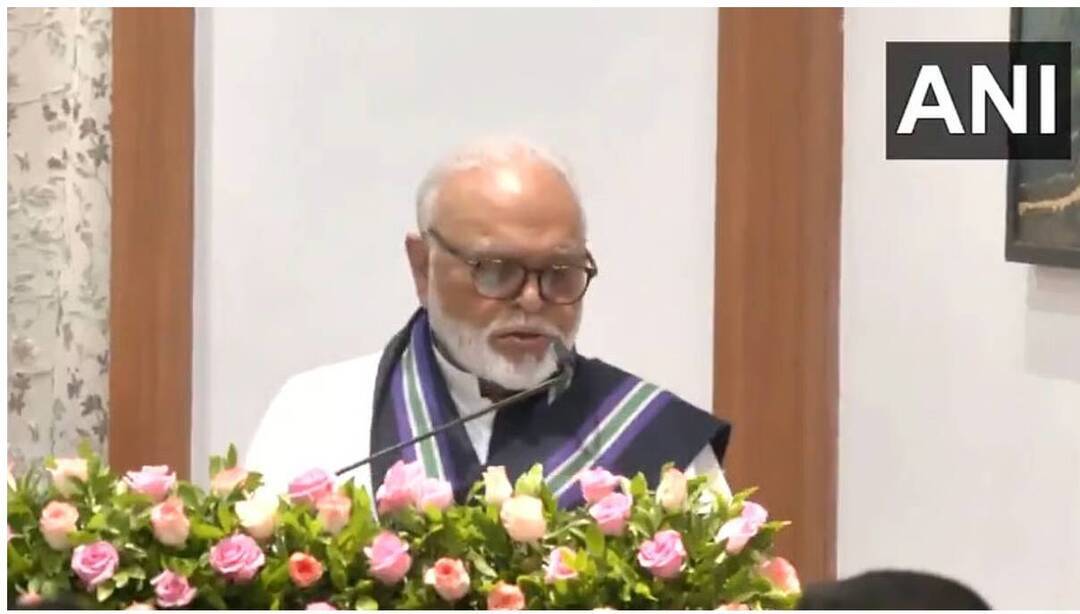
Maharashtra minister Bhujbal discharged in money laundering case
In a significant development, Maharashtra minister and senior NCP leader Chhagan Bhujbal, his son Pankaj, and nephew Sameer have been discharged in a money laundering case related to the alleged multi-crore Maharashtra Sadan scam. The court’s decision has brought relief to the Bhujbal family, who have been embroiled in the case for several years. The discharge is a major setback for the prosecution, which had alleged that the Bhujbals were involved in a complex web of financial transactions to launder money.
The case relates to the construction of the Maharashtra Sadan, a state government building in Delhi, which was built at a cost of over Rs 100 crore. The prosecution had alleged that the Bhujbals had misused their official positions to award contracts to favored companies, which had then laundered the money through a series of transactions. However, the court has now ruled that there was no generation of proceeds of crime, a crucial element required to prosecute someone under the Prevention of Money Laundering Act (PMLA).
The court’s judgment is significant, as it highlights the importance of establishing the generation of proceeds of crime in money laundering cases. The judge observed that to prosecute someone under PMLA without establishing this element is like “a tree without roots.” This ruling has far-reaching implications, as it sets a precedent for similar cases in the future.
The Bhujbals had been accused of using their influence to secure contracts for the construction of the Maharashtra Sadan, and then using the funds to launder money through a series of transactions. However, the court has now found that there was no evidence to suggest that the Bhujbals had generated any proceeds of crime. The prosecution had relied heavily on the testimony of key witnesses, but the court has ruled that their evidence was not sufficient to establish the generation of proceeds of crime.
The discharge of the Bhujbals has sparked a heated debate, with opposition parties criticizing the government for not taking adequate action to prevent corruption. The opposition has alleged that the government has been soft on corruption, and that the discharge of the Bhujbals is a clear example of this. However, the NCP has welcomed the court’s decision, saying that it is a vindication of the Bhujbals’ innocence.
The Maharashtra Sadan scam had been a major controversy, with allegations of corruption and nepotism leveled against the Bhujbals. The case had been investigated by the Enforcement Directorate (ED), which had filed a chargesheet against the Bhujbals and other accused. However, the court’s decision has now brought the proceedings to a close, at least for the Bhujbals.
The PMLA is a powerful law that is designed to prevent money laundering and to prosecute those who engage in this activity. However, the law requires that the prosecution establish the generation of proceeds of crime, which can be a difficult task. The court’s ruling in the Bhujbal case highlights the challenges faced by the prosecution in establishing this element, and the need for robust evidence to support the charges.
In conclusion, the discharge of the Bhujbals in the money laundering case related to the Maharashtra Sadan scam is a significant development. The court’s decision has brought relief to the Bhujbal family, but has also sparked a heated debate about corruption and the need for effective laws to prevent it. The case highlights the challenges faced by the prosecution in establishing the generation of proceeds of crime, and the need for robust evidence to support the charges.
The Bhujbals’ discharge is a major setback for the prosecution, but it is also an opportunity for the government to reflect on its approach to corruption. The government must take steps to prevent corruption and to ensure that those who engage in corrupt activities are held accountable. The PMLA is a powerful law, but it requires effective implementation to be effective.
As the debate over corruption and money laundering continues, the Bhujbal case will be closely watched. The court’s decision has set a precedent, and it will be interesting to see how the prosecution approaches similar cases in the future. The case is a reminder that the rule of law is paramount, and that the prosecution must establish the guilt of the accused beyond a reasonable doubt.
About the Author