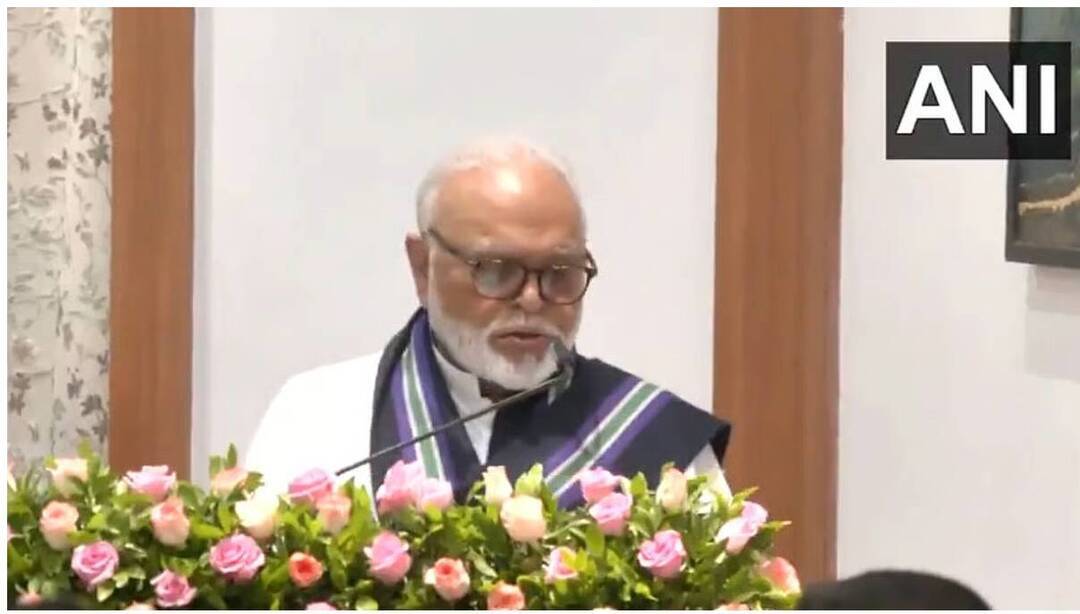
Maharashtra minister Bhujbal discharged in money laundering case
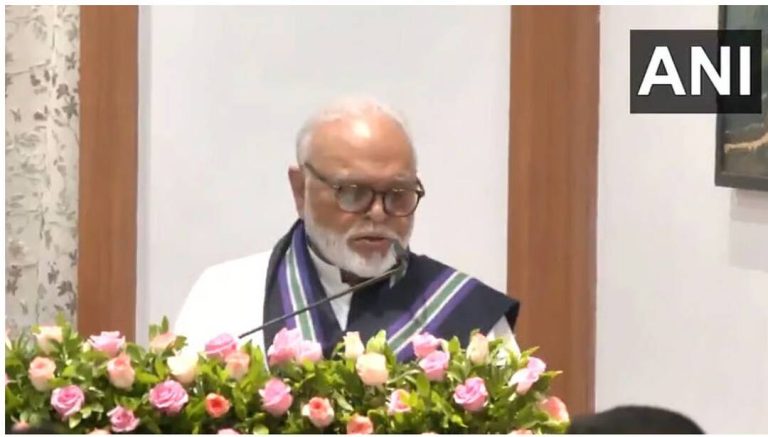
In a significant development, Maharashtra minister and senior NCP leader Chhagan Bhujbal, his son Pankaj, and nephew Sameer have been discharged in a money laundering case related to the alleged multi-crore Maharashtra Sadan scam. The court’s decision has brought a sense of relief to the Bhujbal family, who have been embroiled in this controversy for several years. The discharge of the accused is a result of the court’s observation that there was no generation of proceeds of crime, a crucial element required to prosecute someone under the Prevention of Money Laundering Act (PMLA).
The Maharashtra Sadan scam, which came to light in 2015, involved allegations of irregularities in the construction of the Maharashtra Sadan, a residential complex for Maharashtra government officials in Delhi. The project, which was initially estimated to cost around Rs 50 crore, eventually cost over Rs 150 crore, sparking allegations of corruption and misappropriation of funds. Chhagan Bhujbal, who was the Public Works Department (PWD) minister at the time, was accused of awarding contracts to favored companies and individuals, leading to a massive escalation in costs.
The Enforcement Directorate (ED), which is responsible for investigating money laundering cases, had filed a chargesheet against Bhujbal, his son Pankaj, and nephew Sameer, alleging that they had laundered money to the tune of Rs 800 crore. The ED had claimed that the Bhujbal family had used shell companies and other entities to launder the money, which was then used to purchase properties and assets.
However, the court has now discharged all the accused, stating that there was no generation of proceeds of crime, a necessary condition for prosecuting someone under the PMLA. The court observed that the prosecution had failed to establish that the accused had generated any proceeds of crime, which is a prerequisite for launching a prosecution under the PMLA. The court’s decision is a significant setback for the ED, which had built a case against the Bhujbal family over several years.
The court’s order has been welcomed by the NCP, which has maintained that the allegations against Bhujbal were politically motivated. The party has stated that the discharge of Bhujbal and his family members is a vindication of their stand that the allegations were baseless and false. The development is also likely to have implications for the Maharashtra politics, where Bhujbal is a senior leader and a key figure in the NCP.
The discharge of Bhujbal and his family members is not the end of the case, however. The ED can still appeal against the court’s decision, and it is likely that the agency will explore all available options to challenge the order. The case has also sparked a debate about the effectiveness of the PMLA, which has been criticized for being too broad and vague. The law has been used to target politicians and businessmen, but its provisions have also been misused to harass and intimidate individuals.
In conclusion, the discharge of Chhagan Bhujbal, his son Pankaj, and nephew Sameer in the money laundering case related to the Maharashtra Sadan scam is a significant development that has implications for Maharashtra politics and the PMLA. The court’s decision has highlighted the importance of establishing the generation of proceeds of crime, a crucial element required to prosecute someone under the PMLA. As the case continues to unfold, it will be interesting to see how the ED responds to the court’s decision and whether the agency will appeal against the order.
About the Author