Maharashtra minister Bhujbal discharged in money laundering case
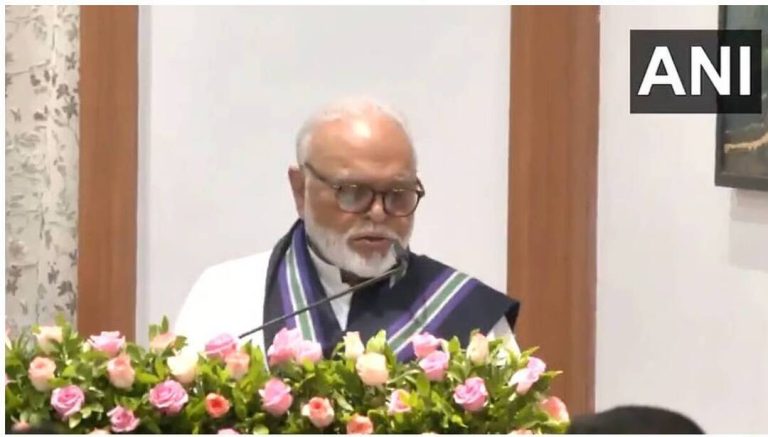
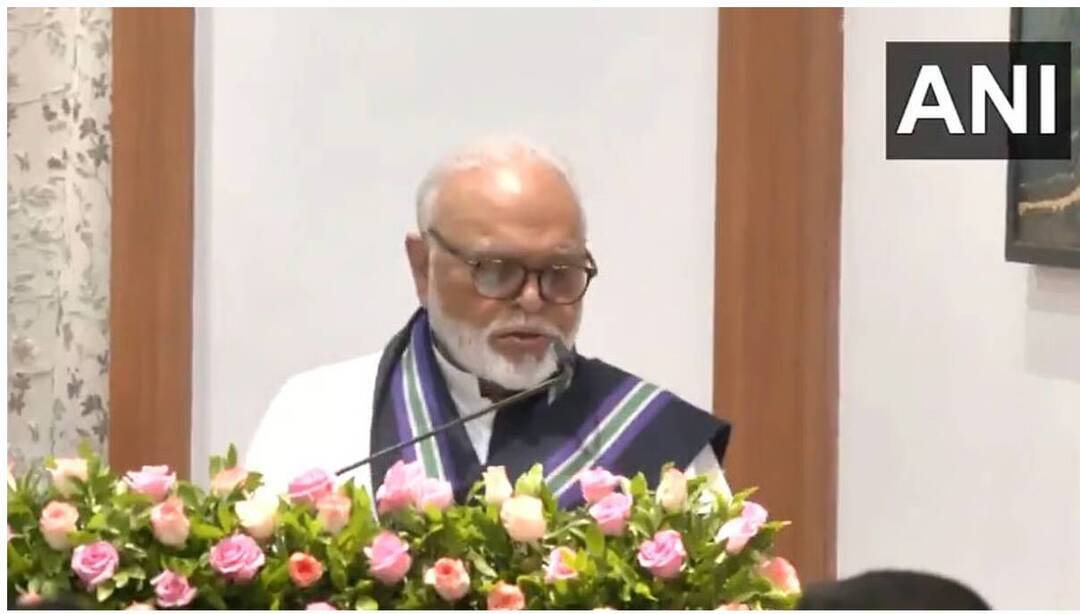
In a significant development, Maharashtra minister and senior NCP leader Chhagan Bhujbal, his son Pankaj, and nephew Sameer have been discharged in a money laundering case related to the alleged multi-crore Maharashtra Sadan scam. The court’s decision has brought a sense of relief to the Bhujbal family, who have been facing allegations of corruption and money laundering for several years.
The case against the Bhujbals was filed by the Enforcement Directorate (ED) in 2016, alleging that they had laundered money to the tune of hundreds of crores of rupees in the construction of the Maharashtra Sadan building in Delhi. The ED had claimed that the Bhujbals had used their influence and power to award contracts to favored companies, which had then laundered the money through various channels.
However, the court has now ruled that there is no evidence to suggest that the Bhujbals had generated any proceeds of crime, which is a necessary condition for prosecuting someone under the Prevention of Money Laundering Act (PMLA). The court observed that without the generation of proceeds of crime, it is impossible to prosecute someone under the PMLA, likening it to “a tree without roots.”
The judgment is a significant setback for the ED, which had been investigating the case for several years. The agency had claimed that it had gathered sufficient evidence to prove the allegations against the Bhujbals, but the court has now ruled that the evidence is not sufficient to prosecute them.
The discharge of the Bhujbals has also raised questions about the effectiveness of the ED in investigating and prosecuting money laundering cases. The agency has been criticized in the past for its handling of high-profile cases, and this judgment is likely to add to the criticism.
The Maharashtra Sadan scam had been a major controversy in the state, with allegations of corruption and nepotism being leveled against the Bhujbals. The scam had also led to the resignation of Chhagan Bhujbal as the Public Works Department (PWD) minister in 2016.
The Bhujbals have maintained that they are innocent and that the allegations against them are politically motivated. They have claimed that they have been targeted by their political opponents, who are trying to tarnish their reputation.
The discharge of the Bhujbals is likely to have significant political implications in Maharashtra. The NCP is a key ally of the Shiv Sena and the Congress in the state, and the judgment is likely to boost the morale of the party. The Bhujbals are also likely to use the judgment to claim that they have been vindicated and that the allegations against them were false.
However, the judgment is not the final word on the matter. The ED can still appeal against the decision, and the case can still be reopened if new evidence is found. The Bhujbals may also face fresh investigations and allegations in the future.
In conclusion, the discharge of Chhagan Bhujbal, his son Pankaj, and nephew Sameer in the money laundering case related to the Maharashtra Sadan scam is a significant development in the case. The court’s decision has ruled that there is no generation of proceeds of crime, and that it is impossible to prosecute someone under the PMLA without it. The judgment is a setback for the ED and has raised questions about the effectiveness of the agency in investigating and prosecuting money laundering cases.
About the Author