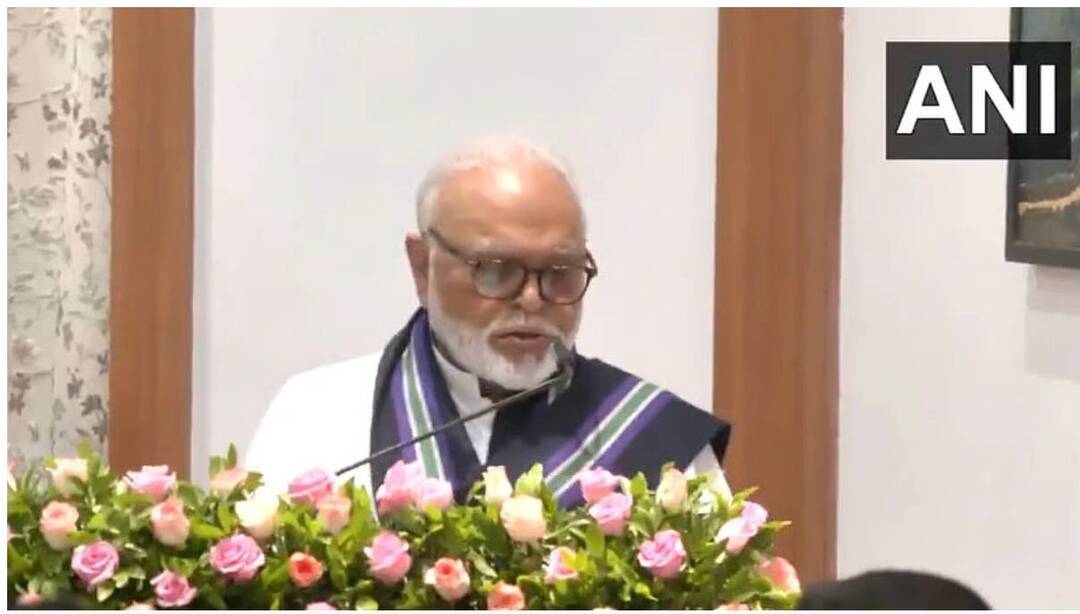
Maharashtra minister Bhujbal discharged in money laundering case
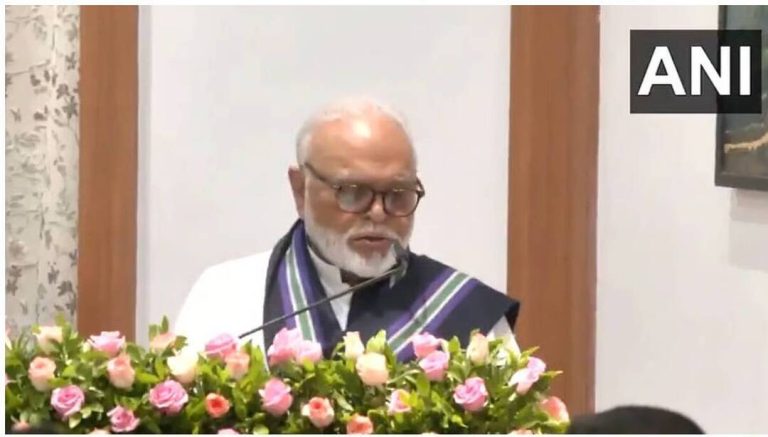
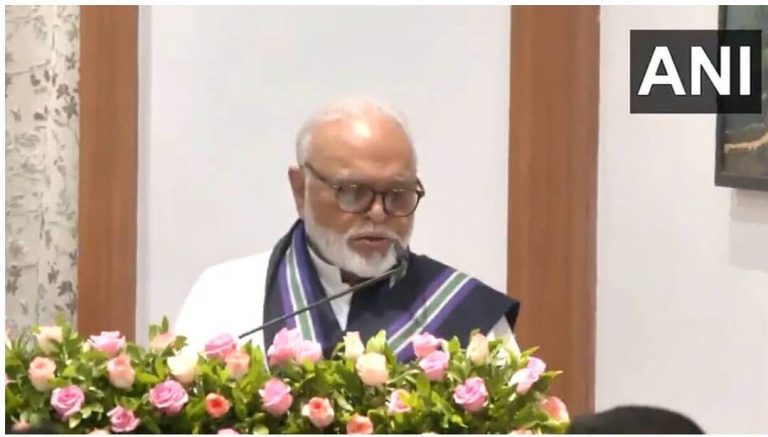
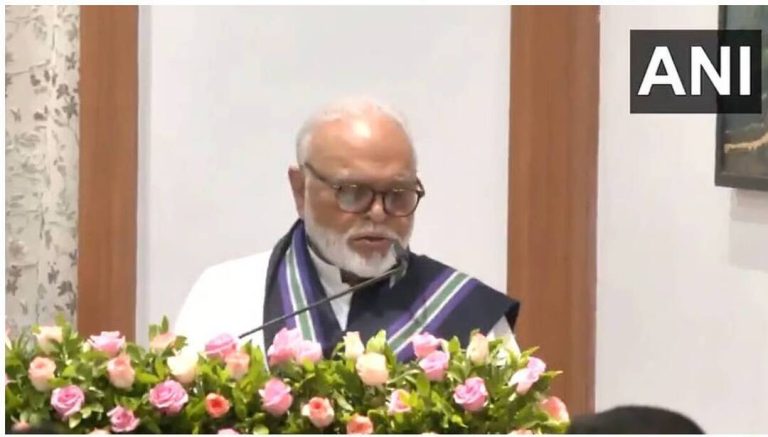
In a significant development, Maharashtra minister and senior NCP leader Chhagan Bhujbal, his son Pankaj, and nephew Sameer have been discharged in a money laundering case related to the alleged multi-crore Maharashtra Sadan scam. The court’s decision has brought relief to the Bhujbal family, who had been facing allegations of corruption and money laundering.
The case against the Bhujbals was filed by the Enforcement Directorate (ED) under the Prevention of Money Laundering Act (PMLA). The ED had alleged that the Bhujbals had laundered money to the tune of hundreds of crores of rupees, which was generated through corrupt means, including the Maharashtra Sadan scam. The scam involved the alleged irregularities in the construction of the Maharashtra Sadan, a state government guest house in Delhi.
However, the court has now ruled that there was no generation of proceeds of crime, which is a essential ingredient for prosecuting someone under the PMLA. Discharging all of them, the court said that to prosecute them under PMLA without the generation of proceeds of crime is like “a tree without roots.” The court’s observation highlights the importance of establishing the generation of proceeds of crime in money laundering cases.
The discharge of the Bhujbals is a significant setback for the ED, which had been investigating the case for several years. The ED had filed a chargesheet against the Bhujbals, alleging that they had laundered money through a complex web of transactions involving several shell companies. However, the court has now ruled that the ED had failed to establish the generation of proceeds of crime, which is a necessary condition for prosecuting someone under the PMLA.
The Bhujbals had denied all allegations of corruption and money laundering, and had maintained that they were innocent. The family had argued that the ED’s case was based on flimsy evidence and that they had been targeted for political reasons. The discharge of the Bhujbals is likely to be seen as a vindication of their stand, and is likely to boost their political reputation.
The case against the Bhujbals was widely seen as a high-profile example of the government’s efforts to crack down on corruption and money laundering. The ED had been investigating several high-profile cases, including those involving politicians, businessmen, and celebrities. However, the discharge of the Bhujbals highlights the challenges faced by investigative agencies in establishing the guilt of accused persons in complex financial crimes.
The PMLA is a powerful law that aims to prevent and punish money laundering. However, the law has been criticized for its complexity and the difficulties faced by investigative agencies in establishing the guilt of accused persons. The discharge of the Bhujbals highlights the need for further reforms to the PMLA, including the need for clearer guidelines on the generation of proceeds of crime.
In conclusion, the discharge of Maharashtra minister Chhagan Bhujbal, his son Pankaj, and nephew Sameer in a money laundering case related to the alleged multi-crore Maharashtra Sadan scam is a significant development. The court’s decision highlights the importance of establishing the generation of proceeds of crime in money laundering cases, and the need for further reforms to the PMLA. The discharge of the Bhujbals is likely to have significant political implications, and is likely to be seen as a vindication of their stand.
About the Author