Maharashtra minister Bhujbal discharged in money laundering case
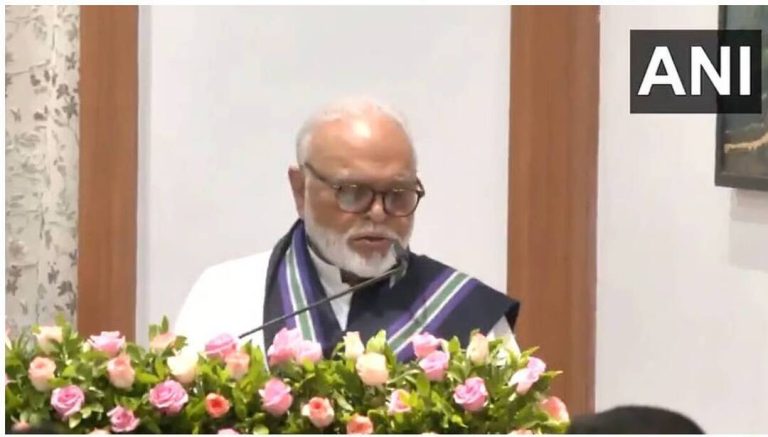
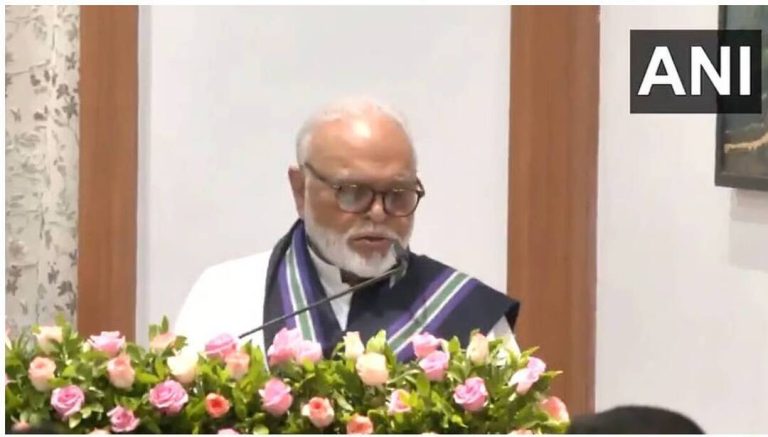
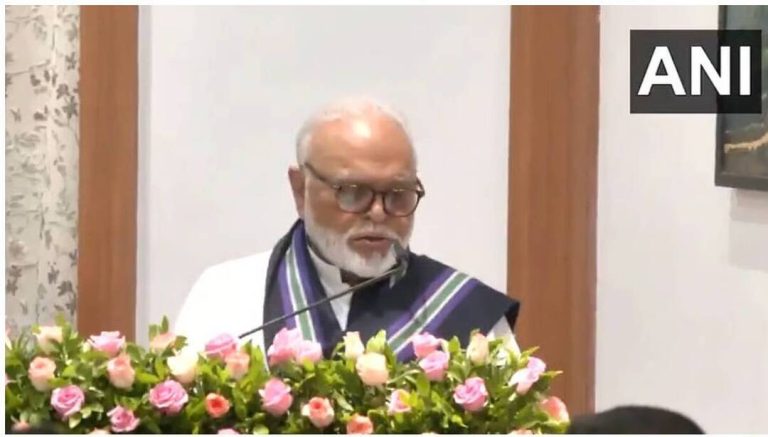
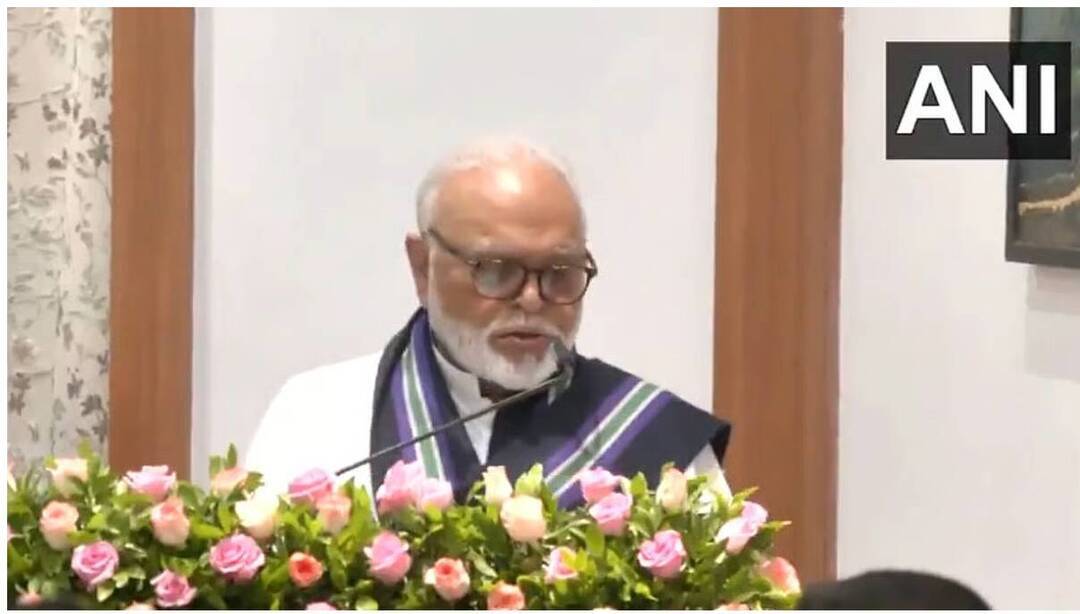
In a significant development, Maharashtra minister and senior NCP leader Chhagan Bhujbal, his son Pankaj, and nephew Sameer have been discharged in a money laundering case related to the alleged multi-crore Maharashtra Sadan scam. The court’s decision has brought relief to the Bhujbal family, who have been facing allegations of corruption and money laundering for several years.
The case pertains to the construction of the Maharashtra Sadan, a residential complex for Maharashtra government officials in Delhi. The project was initiated during Bhujbal’s tenure as the Public Works Department (PWD) minister in the Congress-NCP government. The allegations against Bhujbal and his family members were that they had indulged in corrupt practices, including awarding contracts to favored companies and laundering money to the tune of several crores.
However, the court has now discharged all the accused, including Chhagan Bhujbal, Pankaj Bhujbal, and Sameer Bhujbal, citing lack of evidence. The court observed that there was no generation of proceeds of crime, which is a essential ingredient for prosecuting someone under the Prevention of Money Laundering Act (PMLA). The court’s judgment is a significant setback for the prosecution, which had been building a case against the Bhujbals for several years.
The court’s decision is based on the fact that the prosecution failed to establish that the Bhujbals had generated any proceeds of crime, which is a necessary condition for prosecuting someone under the PMLA. The court noted that the prosecution’s case was like “a tree without roots,” implying that it lacked a solid foundation. The court’s observation highlights the importance of establishing a clear link between the accused and the alleged proceeds of crime in money laundering cases.
The discharge of the Bhujbals is likely to have significant political implications, particularly in Maharashtra, where the NCP is a key player in the state government. The case had been seen as a major embarrassment for the NCP, and the court’s decision is likely to bring relief to the party. However, the opposition parties are likely to criticize the court’s decision, arguing that it reflects the inability of the prosecution to build a strong case against corrupt politicians.
The Maharashtra Sadan scam had been a major controversy in Maharashtra, with allegations of corruption and nepotism leveled against Bhujbal and his family members. The case had been investigated by the Enforcement Directorate (ED) and the Anti-Corruption Bureau (ACB), which had filed chargesheets against the accused. However, the court’s decision has now brought an end to the proceedings against the Bhujbals, at least for the time being.
The court’s decision also highlights the challenges faced by the prosecution in building strong cases against corrupt politicians. The PMLA is a powerful tool for combating money laundering, but it requires strong evidence to establish the link between the accused and the alleged proceeds of crime. The prosecution must ensure that it builds a watertight case, with credible evidence and witnesses, to secure convictions in such cases.
In conclusion, the discharge of Chhagan Bhujbal, Pankaj Bhujbal, and Sameer Bhujbal in the money laundering case related to the Maharashtra Sadan scam is a significant development. The court’s decision highlights the importance of establishing a clear link between the accused and the alleged proceeds of crime in money laundering cases. The case also underscores the challenges faced by the prosecution in building strong cases against corrupt politicians. As the political implications of the court’s decision unfold, it remains to be seen how the opposition parties will react to the development.
About the Author