Maharashtra minister Bhujbal discharged in money laundering case
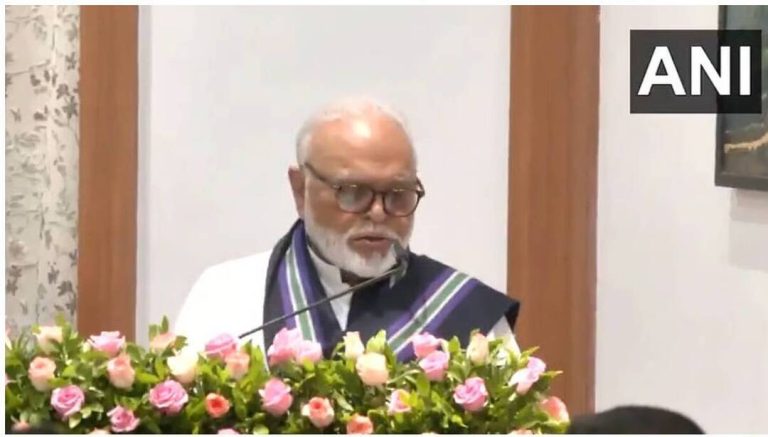
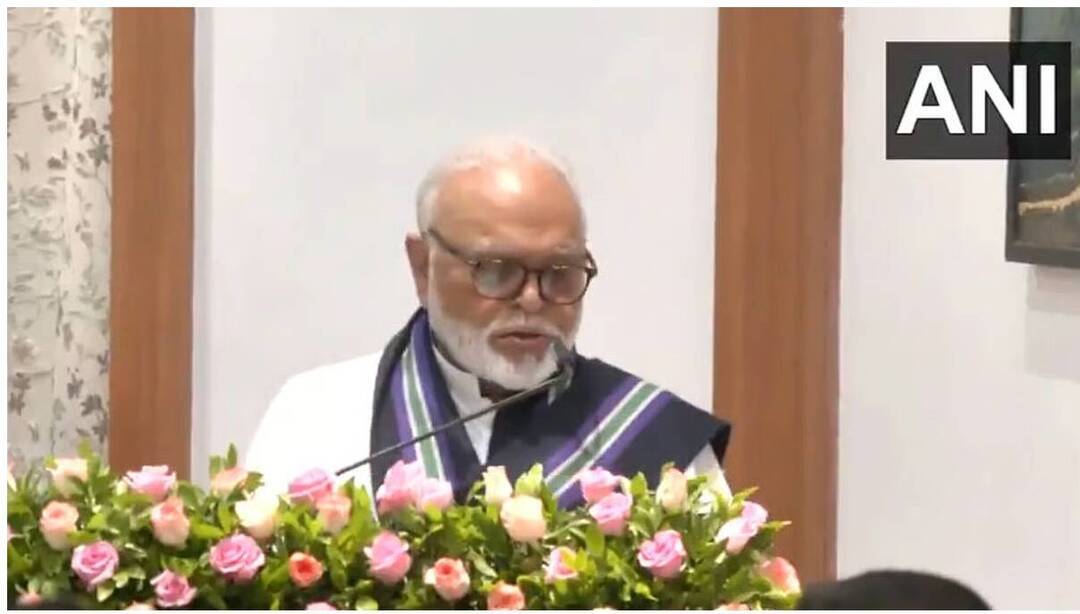
In a significant development, Maharashtra minister and senior NCP leader Chhagan Bhujbal, his son Pankaj, and nephew Sameer have been discharged in a money laundering case related to the alleged multi-crore Maharashtra Sadan scam. The court’s decision has brought relief to the Bhujbal family, who have been embroiled in the case for several years. The discharge of the Bhujbals is a major setback for the prosecution, which had alleged that the family was involved in a complex web of financial transactions and money laundering.
The Maharashtra Sadan scam, which came to light in 2015, involved the alleged misuse of funds meant for the construction of the Maharashtra Sadan, a state government building in New Delhi. The scam was estimated to be worth several hundred crores, and the Bhujbals were accused of being involved in the financial transactions related to the project. The Enforcement Directorate (ED) had filed a case against the Bhujbals under the Prevention of Money Laundering Act (PMLA), alleging that they had laundered money and generated proceeds of crime.
However, the court has now ruled that there was no generation of proceeds of crime, and therefore, the Bhujbals cannot be prosecuted under the PMLA. The court’s observation that prosecuting the Bhujbals under the PMLA without generating proceeds of crime is like “a tree without roots” is significant, as it highlights the importance of establishing a direct link between the accused and the proceeds of crime.
The discharge of the Bhujbals has been seen as a major victory for the NCP leader, who has been a prominent figure in Maharashtra politics for several decades. Bhujbal has been a cabinet minister in the Maharashtra government and has held several important portfolios, including public works and tourism. His son Pankaj and nephew Sameer are also involved in politics and business, and the family has been known for its influence and clout in the state.
The Maharashtra Sadan scam had led to a major controversy in the state, with opposition parties demanding the resignation of the then-deputy chief minister, Ajit Pawar. The scam had also led to a rift within the NCP, with some leaders calling for Bhujbal’s resignation. However, the NCP leadership had stood by Bhujbal, and the party had maintained that the allegations against him were false and politically motivated.
The court’s decision to discharge the Bhujbals has been welcomed by the NCP, which has termed it as a “victory of truth”. The party has maintained that the allegations against Bhujbal were false and that the court’s decision has vindicated his stand. The discharge of the Bhujbals is also likely to have implications for the state’s politics, as it is expected to boost the morale of the NCP and its allies.
The case against the Bhujbals was investigated by the ED, which had filed a chargesheet against them in 2016. The ED had alleged that the Bhujbals had laundered money and generated proceeds of crime, and had sought to prosecute them under the PMLA. However, the court has now ruled that the ED’s allegations are not supported by evidence, and that the Bhujbals cannot be prosecuted under the PMLA.
The discharge of the Bhujbals is a significant development in the case, and it is likely to have implications for the state’s politics and the NCP. The court’s decision has brought relief to the Bhujbal family, who have been embroiled in the case for several years. The case has also highlighted the importance of establishing a direct link between the accused and the proceeds of crime, and the need for the prosecution to provide evidence to support its allegations.
In conclusion, the discharge of Maharashtra minister Chhagan Bhujbal, his son Pankaj, and nephew Sameer in the money laundering case related to the Maharashtra Sadan scam is a significant development in the case. The court’s decision has brought relief to the Bhujbal family and has been welcomed by the NCP. The case has highlighted the importance of establishing a direct link between the accused and the proceeds of crime, and the need for the prosecution to provide evidence to support its allegations.
About the Author