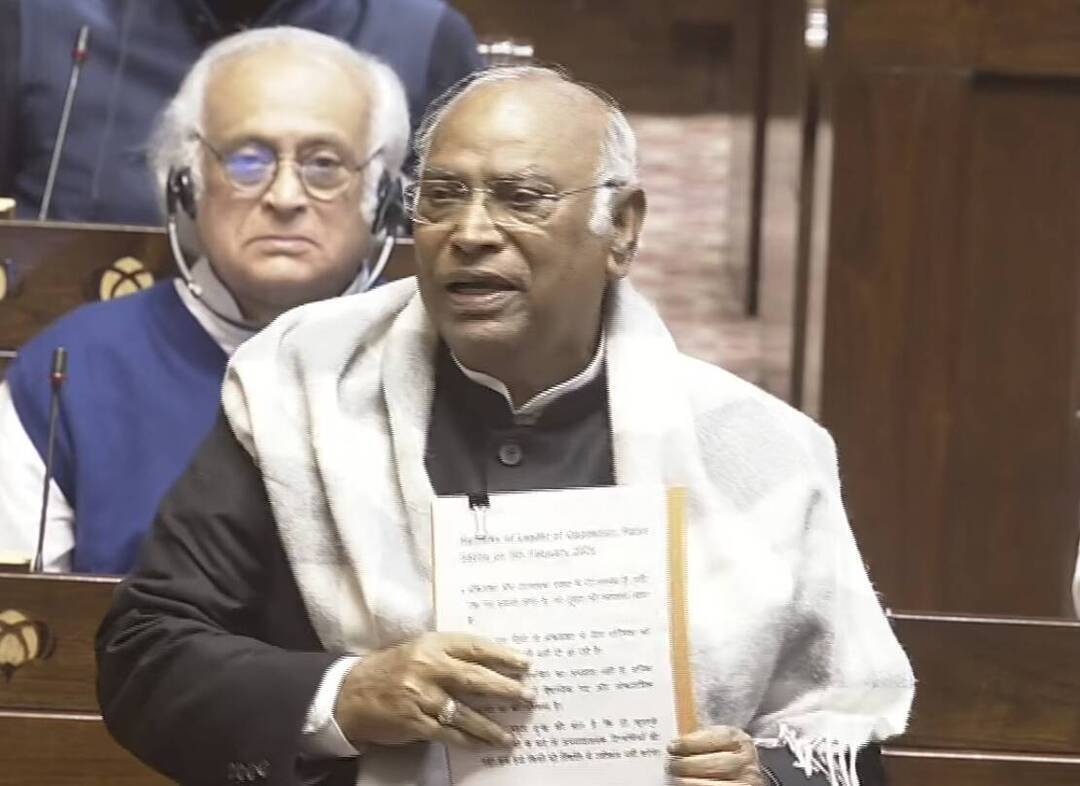
Kharge stopped from quoting book in Rajya Sabha, Opp’n walks out
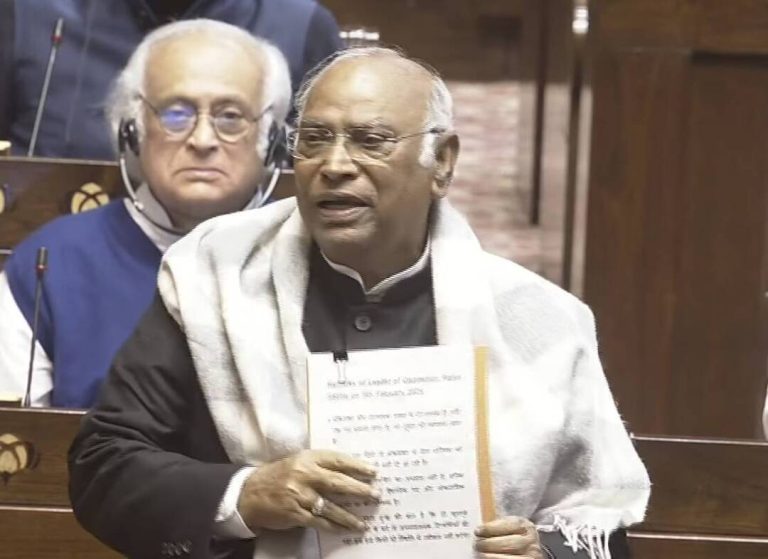
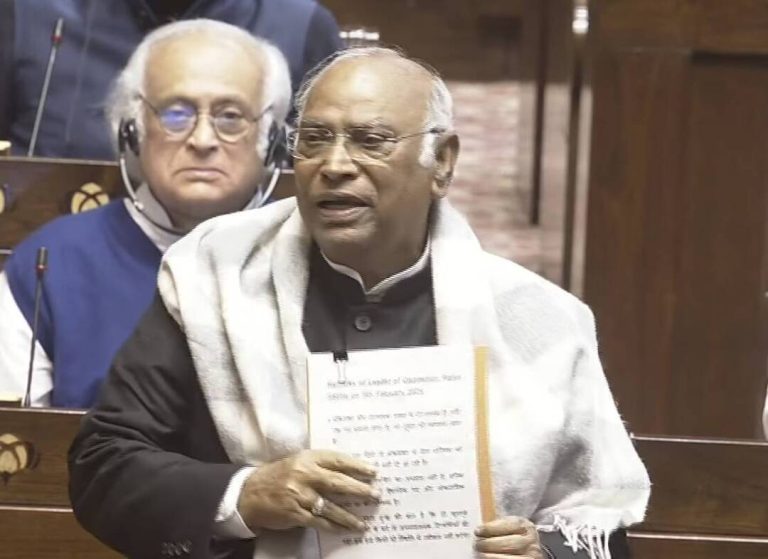
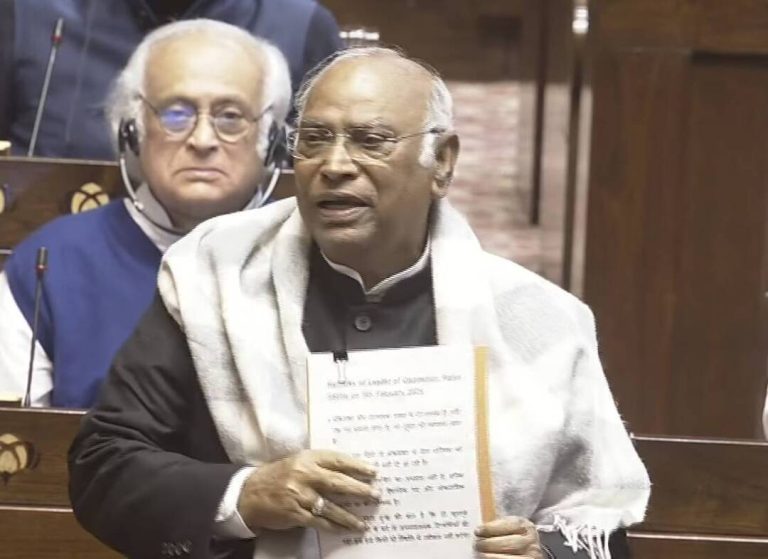
The Indian Parliament has been a hub of intense debates and discussions, with members from various parties coming together to raise important issues and engage in constructive dialogue. However, on a recent day, the Rajya Sabha witnessed a dramatic turn of events when Congress MP Mallikarjun Kharge was stopped from quoting an unpublished memoir by former Army Chief General Manoj Mukund Naravane. This incident led to a walkout by Opposition MPs, highlighting the tense atmosphere that pervades the country’s highest legislative body.
The controversy began when Kharge raised the issue of Congress MP Rahul Gandhi not being allowed to quote the same book in Lok Sabha. Kharge argued that Gandhi had been prevented from referencing the memoir, which is yet to be published, and that this was an attack on the freedom of speech and expression of MPs. He contended that MPs should be allowed to quote from any book, regardless of its publication status, as long as it is relevant to the discussion at hand.
However, Rajya Sabha Chairman CP Radhakrishnan was not convinced by Kharge’s arguments. He stopped Kharge from quoting the book, citing rules and regulations that govern the conduct of MPs in the House. Radhakrishnan’s decision was met with strong opposition from the Congress and other Opposition parties, who felt that the Chairman’s ruling was unfair and arbitrary.
The Opposition MPs argued that the Chairman’s decision was an attempt to stifle dissent and prevent them from raising important issues. They pointed out that the book in question was written by a former Army Chief and that its contents were relevant to the discussion on national security and defense. By preventing Kharge from quoting the book, the Opposition MPs felt that the Chairman was undermining their right to engage in meaningful debate and discussion.
The walkout by Opposition MPs was a clear indication of their displeasure and frustration with the Chairman’s ruling. The Congress, in particular, was vocal in its criticism of the decision, with Kharge and other party leaders arguing that the ruling was an attack on the freedom of speech and expression of MPs. The party also accused the government of trying to intimidate and silence the Opposition, rather than engaging with them in a constructive and meaningful manner.
The incident has sparked a wider debate about the role of the Opposition in Parliament and the importance of freedom of speech and expression. Many have argued that the Opposition has a crucial role to play in holding the government accountable and that any attempt to stifle their voice is a threat to democracy. Others have pointed out that the rules and regulations governing the conduct of MPs in Parliament are in place to ensure that debates and discussions are conducted in a respectful and orderly manner.
The unpublished memoir by former Army Chief General Manoj Mukund Naravane has been at the center of the controversy, with many wondering what secrets it might hold. The book is expected to provide a unique insight into the workings of the Indian Army and the challenges faced by the country’s defense establishment. However, its unpublished status has raised questions about its credibility and authenticity, with some arguing that it is premature to quote from a book that has not been officially released.
The incident has also highlighted the importance of parliamentary procedures and the role of the Chairman in maintaining order and discipline in the House. While the Chairman’s ruling may have been controversial, it is clear that he was acting within his powers and authority. The question, however, is whether his decision was fair and reasonable, given the context and circumstances of the debate.
In conclusion, the incident in Rajya Sabha has highlighted the tense atmosphere that pervades the Indian Parliament. The walkout by Opposition MPs is a clear indication of their frustration and disillusionment with the ruling party and the Chairman’s decision. The controversy surrounding the unpublished memoir by former Army Chief General Manoj Mukund Naravane has sparked a wider debate about the role of the Opposition and the importance of freedom of speech and expression.
As the country moves forward, it is essential that the government and the Opposition engage in constructive and meaningful dialogue. The Parliament is a sacred institution, and it is the duty of all MPs to uphold its dignity and integrity. By working together and engaging in respectful and orderly debate, MPs can ensure that the interests of the country and its people are protected and promoted.
News source: https://x.com/PTI_News/status/2019299438746091906
About the Author