Kharge stopped from quoting book in Rajya Sabha, Opp’n walks out
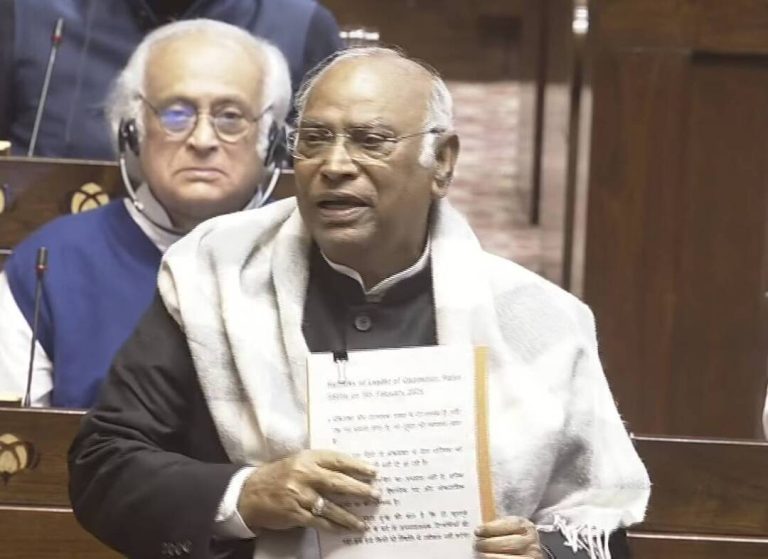
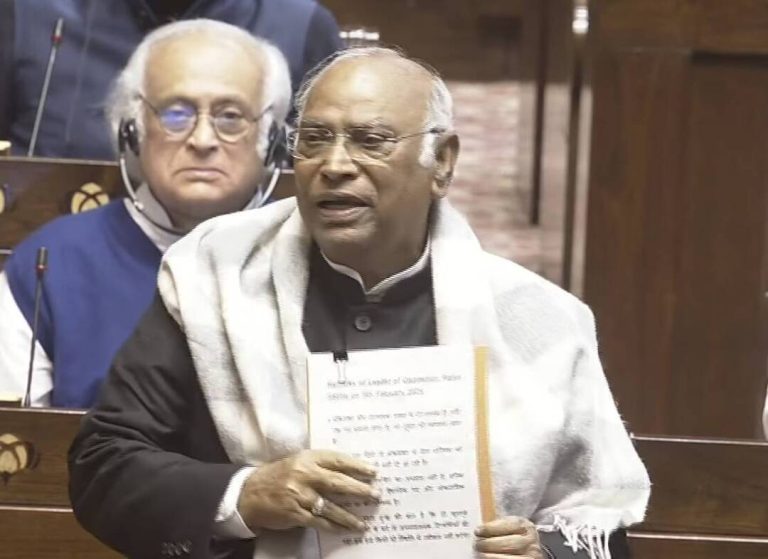
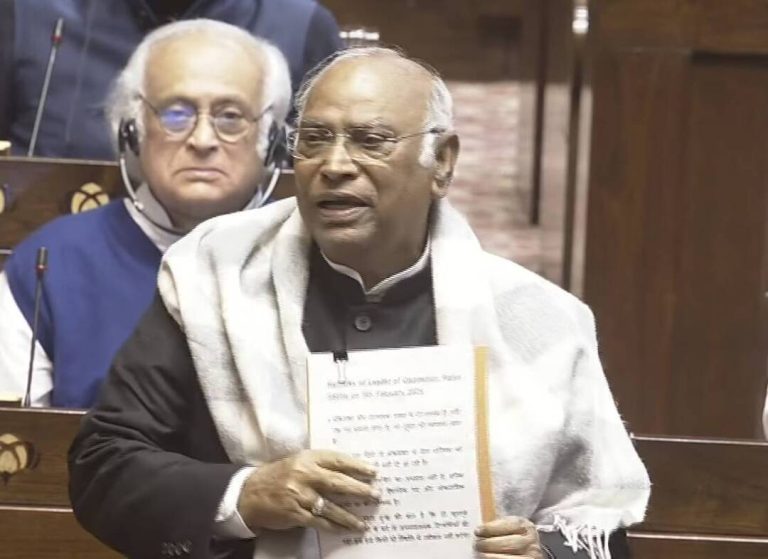
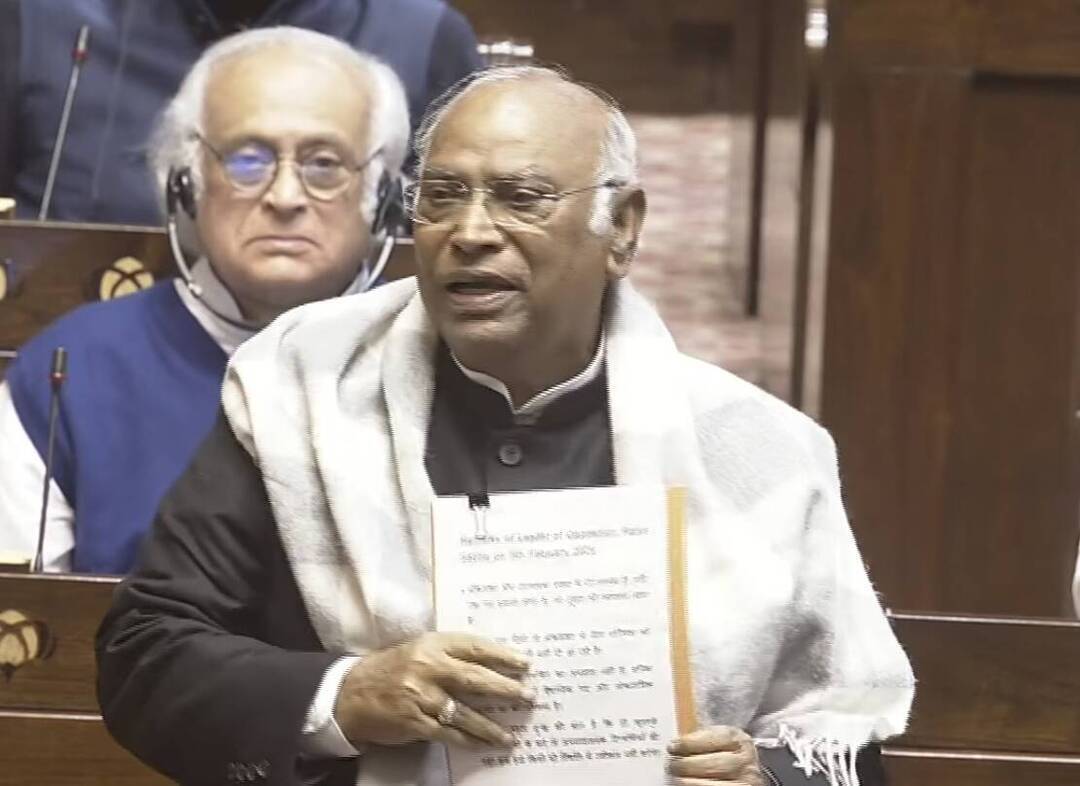
The Indian Parliament has witnessed yet another dramatic turn of events, with the Opposition staging a walkout from the Rajya Sabha after Congress MP Mallikarjun Kharge was stopped from quoting an unpublished memoir by former Army Chief General Manoj Mukund Naravane. The incident occurred when Kharge attempted to raise the issue of Congress MP Rahul Gandhi not being allowed to quote the same book in Lok Sabha, prompting Rajya Sabha Chairman CP Radhakrishnan to intervene and stop him.
The controversy surrounding the unpublished memoir has been brewing for some time, with the Opposition parties accusing the government of trying to stifle freedom of speech and expression. The memoir, which is yet to be published, is reportedly critical of the government’s handling of certain sensitive issues, including national security and defense. The Opposition parties have been keen to quote from the book to highlight the government’s alleged mishandling of these issues, but the government has been resistant to allowing such references.
The incident in the Rajya Sabha began when Kharge stood up to raise a point of order, citing the precedent set by Rahul Gandhi’s attempt to quote from the same book in Lok Sabha. Kharge argued that if Gandhi was not allowed to quote from the book, it was unfair to stop him from doing so in the Rajya Sabha. However, before he could proceed further, Chairman Radhakrishnan intervened, stating that the book was not a published work and therefore could not be quoted from in the House.
Kharge protested the ruling, arguing that the book’s unpublished status did not diminish its relevance or credibility. He pointed out that the book was written by a former Army Chief, who had served the country with distinction, and that its contents were therefore worthy of consideration. However, Radhakrishnan remained firm, stating that the rules of the House did not permit references to unpublished works.
The Opposition parties, which have been critical of the government’s handling of various issues, saw the ruling as an attempt to muzzle dissent and stifle free speech. They argued that the government was trying to prevent the truth from coming out, and that the ruling was a clear example of the government’s intolerance of criticism. As the debate became more heated, the Opposition MPs decided to stage a walkout, protesting the ruling and the government’s alleged attempts to suppress freedom of expression.
The walkout was led by the Congress party, with other Opposition parties, including the Trinamool Congress and the Left parties, joining in. The MPs marched out of the House, shouting slogans and waving placards, as the Treasury benches looked on. The government, which has been facing criticism over various issues, including the economy and national security, saw the walkout as an attempt by the Opposition to disrupt the proceedings and gain political mileage.
The incident has highlighted the growing tensions between the government and the Opposition, with the latter accusing the former of trying to stifle dissent and criticism. The issue of freedom of speech and expression has become a major point of contention, with the Opposition arguing that the government is trying to muzzle dissenting voices and prevent the truth from coming out. The government, on the other hand, has argued that it is committed to upholding the rules and procedures of the House, and that the Opposition is trying to create unnecessary controversy.
As the Parliament continues to witness dramatic turns of events, the issue of freedom of speech and expression is likely to remain a major point of contention. The Opposition parties have vowed to continue their protests, arguing that the government’s attempts to stifle dissent are a threat to democracy and the fundamental rights of citizens. The government, on the other hand, has argued that it is committed to upholding the rules and procedures of the House, and that the Opposition is trying to create unnecessary controversy.
In conclusion, the incident in the Rajya Sabha, in which Kharge was stopped from quoting an unpublished memoir by former Army Chief General Manoj Mukund Naravane, has highlighted the growing tensions between the government and the Opposition. The issue of freedom of speech and expression has become a major point of contention, with the Opposition arguing that the government is trying to muzzle dissenting voices and prevent the truth from coming out. As the Parliament continues to witness dramatic turns of events, it remains to be seen how the issue will be resolved, and what implications it will have for the future of Indian democracy.
News source: https://x.com/PTI_News/status/2019299438746091906
About the Author