Kharge stopped from quoting book in Rajya Sabha, Opp’n walks out
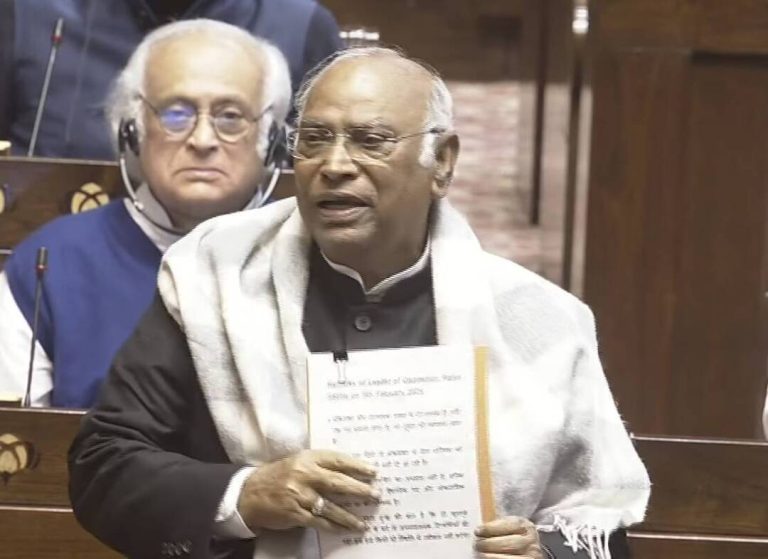
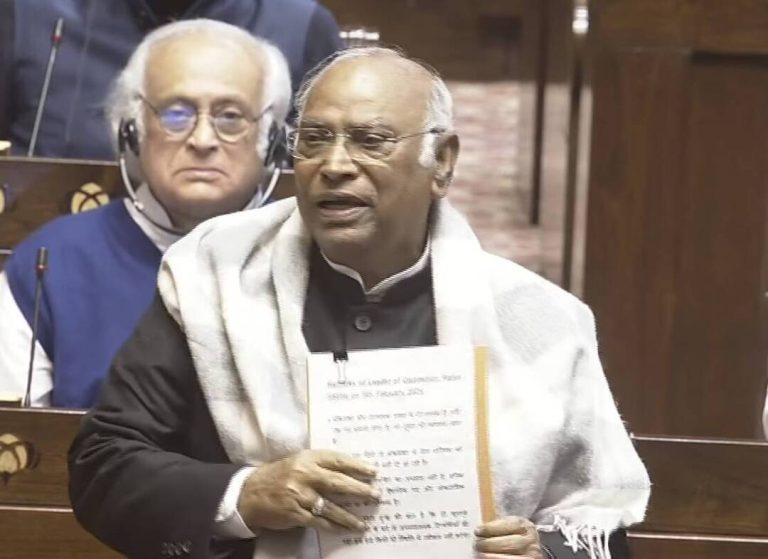
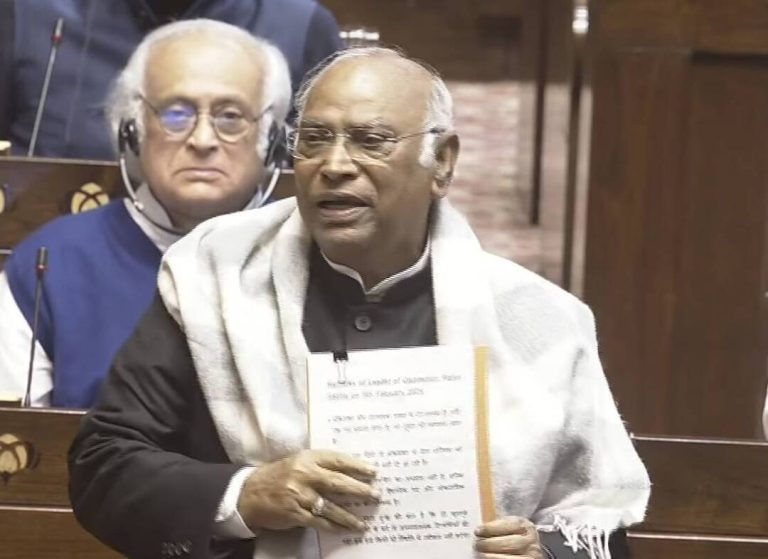
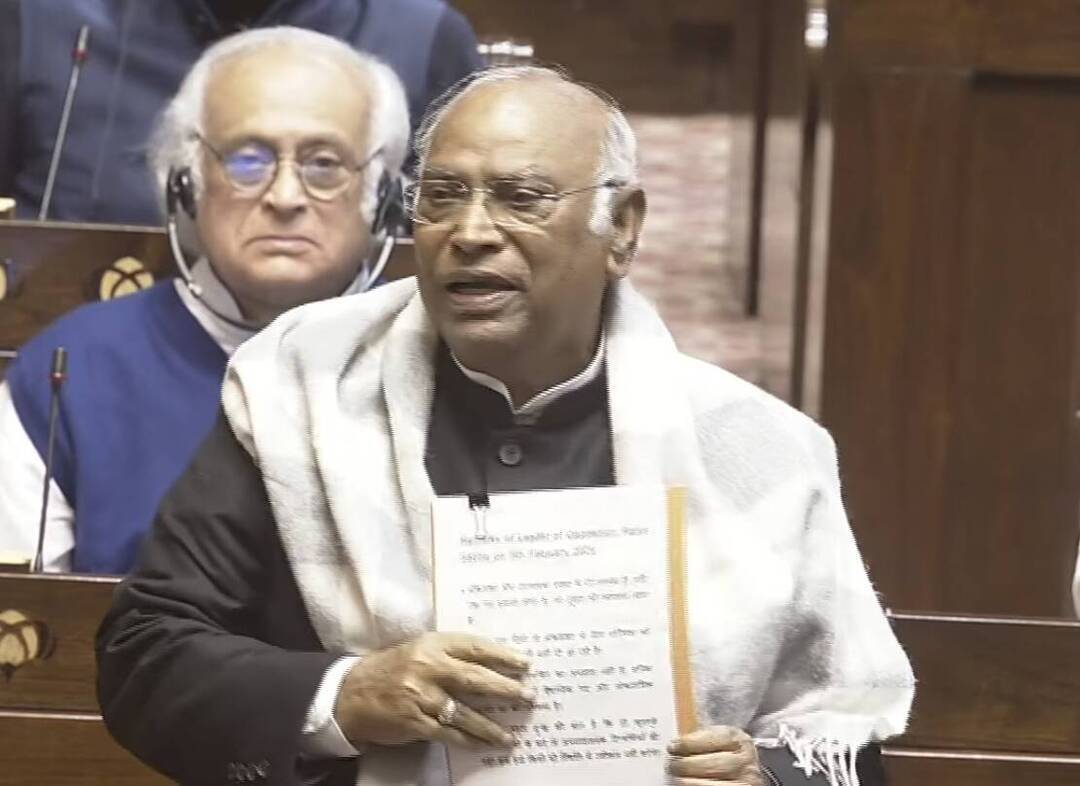
The Indian Parliament has been a battleground for the ruling party and the Opposition in recent times, with various issues being raised and debated. In a recent incident, Congress MP Mallikarjun Kharge was stopped from quoting an unpublished memoir by former Army Chief General Manoj Mukund Naravane in the Rajya Sabha. This led to a walkout by the Opposition MPs, who were protesting against the restriction on quoting the book.
The incident started when Kharge raised the issue of Congress MP Rahul Gandhi not being allowed to quote the same book in the Lok Sabha. Kharge argued that if a member of the Lok Sabha was not allowed to quote the book, it was unfair to stop him from doing so in the Rajya Sabha. However, Rajya Sabha Chairman CP Radhakrishnan stopped Kharge from quoting the book, citing rules and regulations.
The unpublished memoir by General Naravane has been a topic of discussion in recent times, with many MPs wanting to quote from it to raise important issues. However, the ruling party has been trying to restrict the quoting of the book, citing that it is not yet published and therefore not admissible in Parliament.
The Opposition MPs, however, have been arguing that the book is a valuable resource that contains important information and insights. They have been demanding that they be allowed to quote from the book to raise important issues and to hold the government accountable.
The walkout by the Opposition MPs was a protest against the restriction on quoting the book. The MPs argued that the restriction was unfair and that it was an attempt to stifle their voice and prevent them from raising important issues. The walkout was also a show of solidarity with Rahul Gandhi, who was not allowed to quote the book in the Lok Sabha.
The incident has once again highlighted the tensions between the ruling party and the Opposition in the Indian Parliament. The Opposition has been accusing the ruling party of trying to restrict their freedom of speech and prevent them from raising important issues. The ruling party, on the other hand, has been arguing that the Opposition is trying to disrupt the proceedings of the House and prevent important business from being transacted.
The issue of quoting from unpublished books is not new in the Indian Parliament. In the past, MPs have been allowed to quote from unpublished books and documents, provided they are relevant to the topic being discussed. However, the ruling party has been trying to restrict this practice, citing rules and regulations.
The restriction on quoting from the unpublished memoir by General Naravane has been seen as an attempt to prevent the Opposition from raising important issues related to national security and defense. The book is believed to contain important information and insights on these issues, and the Opposition has been keen to quote from it to raise important questions and to hold the government accountable.
The incident has also raised questions about the role of the Chairman of the Rajya Sabha. The Chairman is expected to be impartial and to allow MPs to raise important issues and to quote from relevant documents. However, in this case, the Chairman stopped Kharge from quoting the book, citing rules and regulations.
The Opposition has been arguing that the Chairman’s decision was unfair and that it was an attempt to stifle their voice and prevent them from raising important issues. The ruling party, on the other hand, has been arguing that the Chairman’s decision was correct and that it was in accordance with the rules and regulations of the House.
The incident has once again highlighted the need for the Indian Parliament to have a more nuanced and flexible approach to quoting from unpublished books and documents. The current rules and regulations are restrictive and do not allow MPs to quote from important sources of information. This can prevent important issues from being raised and can stifle the freedom of speech of MPs.
In conclusion, the incident in which Kharge was stopped from quoting the unpublished memoir by General Naravane in the Rajya Sabha has highlighted the tensions between the ruling party and the Opposition in the Indian Parliament. The restriction on quoting from the book has been seen as an attempt to prevent the Opposition from raising important issues related to national security and defense. The incident has also raised questions about the role of the Chairman of the Rajya Sabha and the need for a more nuanced and flexible approach to quoting from unpublished books and documents.
Source: https://x.com/PTI_News/status/2019299438746091906
About the Author