It hurts me: Rekha on AAP’s memes targeting her over verbal slips
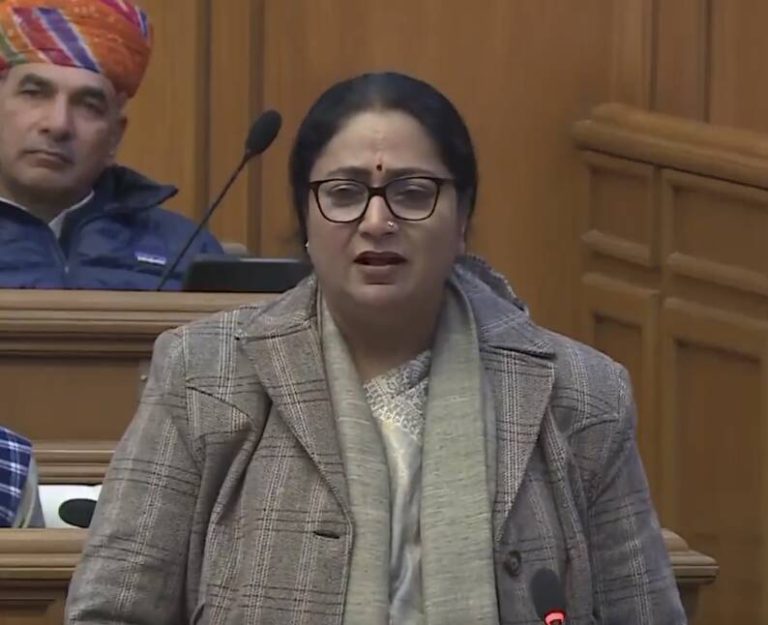
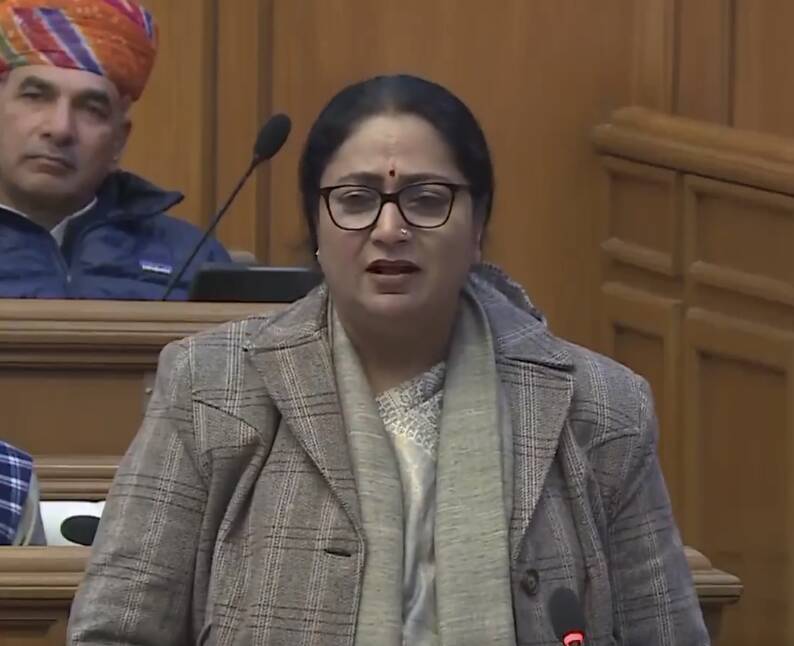
In a recent statement, Delhi Chief Minister Rekha Gupta expressed her disappointment and hurt over the constant mocking and meme creation by the Aam Aadmi Party (AAP) regarding her verbal slips. The Chief Minister stated that she feels deeply hurt when her accidental mistakes are blown out of proportion and made into memes, only to be used to mock her. This reaction comes after a series of incidents where Gupta’s verbal slips were highlighted and ridiculed by the AAP.
Gupta mentioned that even a minor mistake, such as a word slipping from her mouth, is quickly picked up by the AAP and turned into a meme, which is then used to mock her. This, she said, hurts her deeply. The Chief Minister specifically referred to two instances where she was mocked for her verbal slips. The first instance was when she mispronounced the term “AQI” (Air Quality Index) as “AIQ”. The second instance was when she accidentally said “Congress” instead of “British” during a speech.
It is not uncommon for public figures to make verbal slips, and it is usually considered a minor mistake that can be easily overlooked. However, in the world of politics, even the smallest mistake can be blown out of proportion and used as a tool to attack and mock one’s opponents. The AAP’s decision to create memes and mock Gupta’s verbal slips is a classic example of this. By doing so, the party is attempting to portray Gupta as incompetent and lacking in knowledge, which can potentially harm her reputation and credibility.
Gupta’s reaction to the AAP’s actions is understandable, given the fact that she is a public figure and is expected to maintain a certain level of dignity and composure. The constant mocking and ridicule can be hurtful and demotivating, especially when it is based on minor mistakes that can happen to anyone. It is also worth noting that the AAP’s actions can be seen as a form of bullying, where a person is constantly targeted and mocked for their mistakes, rather than being given the opportunity to learn and grow from them.
The use of social media to mock and ridicule public figures has become a common phenomenon in recent years. Social media platforms, such as Twitter and Facebook, have made it easy for people to share and disseminate information, including memes and jokes, quickly and widely. While social media can be a powerful tool for communication and expression, it can also be used to spread hate and negativity. In the case of Gupta, the AAP’s use of social media to mock her verbal slips is a classic example of how social media can be used to bully and intimidate someone.
The incident also raises questions about the level of discourse and debate in Indian politics. Rather than engaging in meaningful and constructive discussions, political parties often resort to personal attacks and ridicule, which can be hurtful and damaging. This type of behavior can also have a negative impact on the overall tone and tenor of political discourse, making it more divisive and toxic.
In conclusion, the incident involving Gupta and the AAP is a classic example of how social media can be used to mock and ridicule public figures. While verbal slips can happen to anyone, the constant mocking and ridicule can be hurtful and demotivating. It is essential for political parties to maintain a level of dignity and respect in their interactions with each other, rather than resorting to personal attacks and ridicule. By doing so, we can create a more positive and constructive tone in Indian politics, where meaningful discussions and debates can take place.
As the Chief Minister of Delhi, Gupta has a right to expect a certain level of respect and dignity from her opponents. The AAP’s actions, in this case, can be seen as a breach of that expectation, and it is understandable that Gupta feels hurt and disappointed. It is essential for political parties to remember that their actions have consequences, not just for the individuals involved but also for the overall tone and tenor of political discourse.
In the end, it is crucial for us to recognize that public figures, like Gupta, are human beings who can make mistakes. Rather than mocking and ridiculing them, we should be encouraging and supporting them, especially when they are trying to do their best. By doing so, we can create a more positive and supportive environment, where people feel encouraged to take risks and try new things, rather than being afraid of making mistakes.
About the Author