It hurts me: Rekha on AAP’s memes targeting her over verbal slips
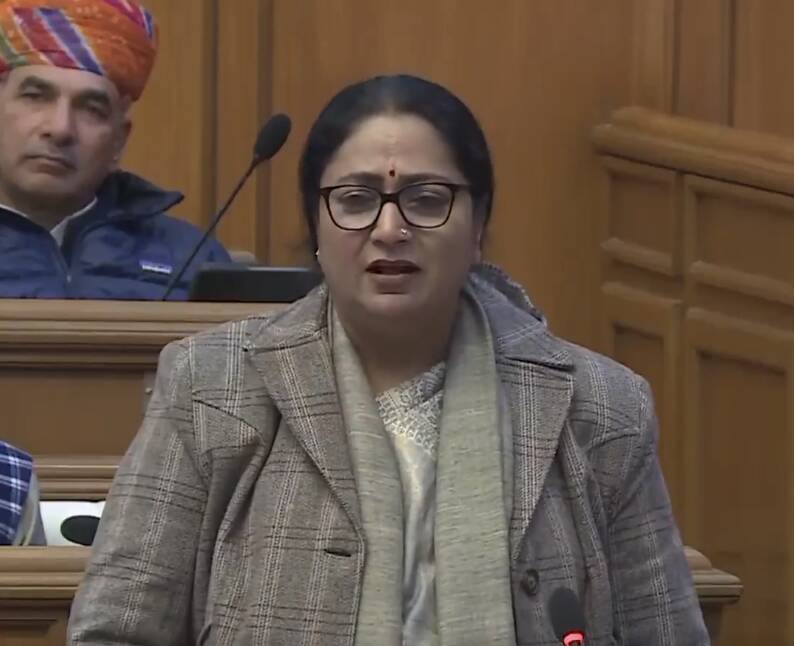
In a recent statement, Delhi Chief Minister Rekha Gupta expressed her distress and disappointment over the Aam Aadmi Party’s (AAP) constant mocking of her verbal slips. The Chief Minister stated that she feels deeply hurt when AAP creates memes and mocks her for minor mistakes, such as mispronouncing words or accidentally using incorrect terminology. This criticism comes after Rekha Gupta was ridiculed for mispronouncing AQI (Air Quality Index) as “AIQ” and for mistakenly saying “Congress” instead of “British” during a speech.
Rekha Gupta’s comments highlight the growing trend of politicians being subjected to intense scrutiny and ridicule on social media platforms. A single slip of the tongue or a minor mistake can quickly go viral, with opposition parties and critics seizing the opportunity to mock and belittle their opponents. While some may argue that public figures should be able to withstand such criticism, it is essential to consider the human impact of constant ridicule and mockery.
The Delhi Chief Minister’s statement, “If a word slips from my mouth by mistake, AAP makes memes on it and mocks me. It hurts me deeply,” reveals the emotional toll that such criticism can take on a person. It is natural for individuals to feel hurt and embarrassed when they are mocked and ridiculed, especially when it is done in a public and humiliating manner. The fact that Rekha Gupta felt compelled to speak out about the issue suggests that the constant mocking has taken a significant emotional toll on her.
One of the incidents that sparked the AAP’s mockery was when Rekha Gupta mispronounced AQI as “AIQ” during a speech. While the mistake may seem minor, it was quickly seized upon by AAP supporters and critics, who created memes and jokes at the Chief Minister’s expense. Similarly, when Rekha Gupta accidentally said “Congress” instead of “British” during a speech, she was again subjected to ridicule and mockery.
It is worth noting that verbal slips and minor mistakes are a common occurrence, even among the most experienced and skilled public speakers. However, in today’s social media age, such mistakes can quickly be amplified and distorted, taking on a life of their own. The speed and reach of social media platforms can make it difficult for individuals to correct mistakes or contextualize their comments, leaving them vulnerable to misinterpretation and ridicule.
The AAP’s response to Rekha Gupta’s criticism has been muted, with some party supporters arguing that the Chief Minister should be able to withstand criticism and ridicule. However, others have acknowledged that constant mocking and ridicule can be hurtful and unproductive, serving only to create a toxic and divisive political environment.
In recent years, there has been a growing concern about the impact of social media on mental health and well-being. The constant stream of information, the pressure to present a perfect online persona, and the risk of being subjected to online harassment and ridicule can all take a significant toll on an individual’s mental health. For public figures like Rekha Gupta, the risks are even greater, as they are constantly in the public eye and subject to intense scrutiny and criticism.
As we move forward in this digital age, it is essential to consider the human impact of our words and actions. While it is natural to critique and disagree with public figures, it is equally important to do so in a respectful and constructive manner. By promoting a culture of empathy and understanding, we can create a more positive and supportive environment, where individuals feel valued and respected, even in the face of mistakes and criticism.
In conclusion, Rekha Gupta’s comments highlight the need for greater empathy and understanding in our public discourse. By acknowledging the human impact of constant ridicule and mockery, we can work towards creating a more positive and supportive environment, where individuals feel valued and respected. As we consider the issues and challenges facing our society, let us strive to promote a culture of kindness, empathy, and respect, both online and offline.
About the Author