It hurts me: Rekha on AAP’s memes targeting her over verbal slips
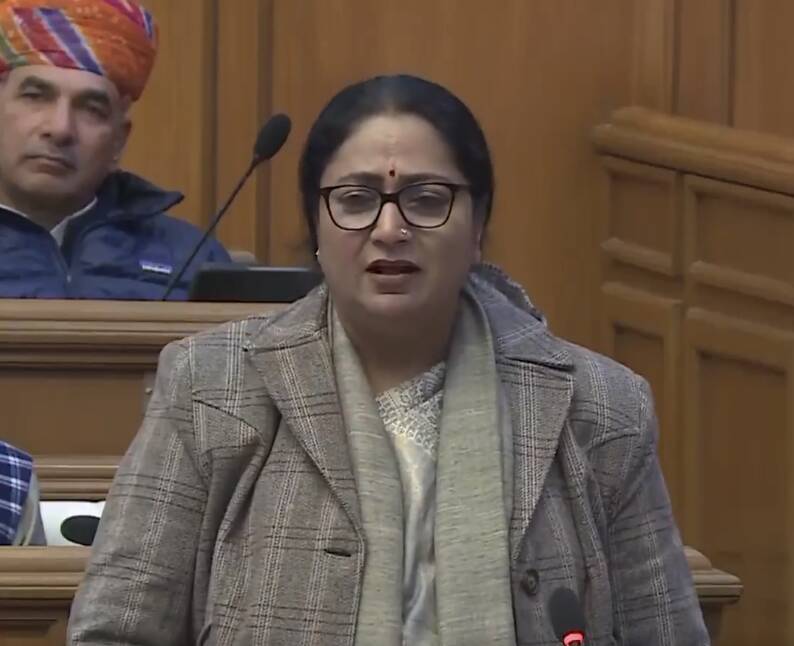
In a recent statement, Delhi Chief Minister Rekha Gupta expressed her disappointment and hurt over the memes created by the Aam Aadmi Party (AAP) targeting her for her verbal slips. The Chief Minister stated that she feels deeply hurt when AAP makes memes on her accidental mispronunciations and mocks her for them. This reaction came after Rekha Gupta was mocked for mispronouncing AQI (Air Quality Index) as “AIQ” and for accidentally saying “Congress” instead of “British” during a speech.
Rekha Gupta’s statement highlights the growing trend of politicians being targeted for their verbal slips on social media. In today’s digital age, any mistake made by a public figure can quickly go viral and be used as a tool for mockery and criticism. While some may argue that public figures should be thick-skinned and able to handle criticism, it is essential to consider the impact that such mockery can have on an individual’s self-esteem and mental health.
The Chief Minister’s statement, “If a word slips from my mouth by mistake, AAP makes memes on it and mocks me. It hurts me deeply,” shows that she is not immune to the hurt caused by such mockery. As a public figure, she is expected to maintain a certain level of dignity and composure, but it is natural for anyone to feel hurt when they are mocked and ridiculed for their mistakes.
The incident that triggered this reaction was when Rekha Gupta mispronounced AQI as “AIQ” during a speech. AAP quickly pounced on the mistake and created memes mocking her for it. Similarly, when she accidentally said “Congress” instead of “British” during another speech, AAP was quick to capitalize on the mistake and create memes ridiculing her for it.
While it is understandable that political parties may want to capitalize on their opponents’ mistakes, it is essential to consider the fine line between criticism and mockery. Criticism can be a healthy way to hold public figures accountable for their actions and statements, but mockery can be hurtful and unproductive. In this case, AAP’s decision to create memes mocking Rekha Gupta for her verbal slips can be seen as an attempt to belittle and humiliate her, rather than engaging in constructive criticism.
Rekha Gupta’s reaction to the memes also highlights the growing concern about the impact of social media on mental health. In today’s digital age, public figures are constantly under scrutiny, and any mistake they make can quickly go viral. This can create a culture of fear, where public figures are reluctant to speak freely or take risks, lest they be mocked and ridiculed for their mistakes.
Furthermore, the fact that AAP chose to target Rekha Gupta for her verbal slips rather than engaging in constructive criticism of her policies or actions is telling. It suggests that the party is more interested in scoring political points and ridiculing their opponent than in engaging in meaningful dialogue or debate. This approach can be seen as a form of bullying, where the goal is to intimidate and humiliate the opponent rather than to engage in respectful and constructive criticism.
In conclusion, Rekha Gupta’s statement highlights the need for a more nuanced and respectful approach to criticism and mockery in the public sphere. While it is essential to hold public figures accountable for their actions and statements, it is equally important to consider the impact that mockery and ridicule can have on an individual’s self-esteem and mental health. As we move forward in this digital age, it is crucial that we find a balance between criticism and respect, and that we prioritize constructive dialogue and debate over mockery and ridicule.
About the Author