It hurts me: Rekha on AAP’s memes targeting her over verbal slips
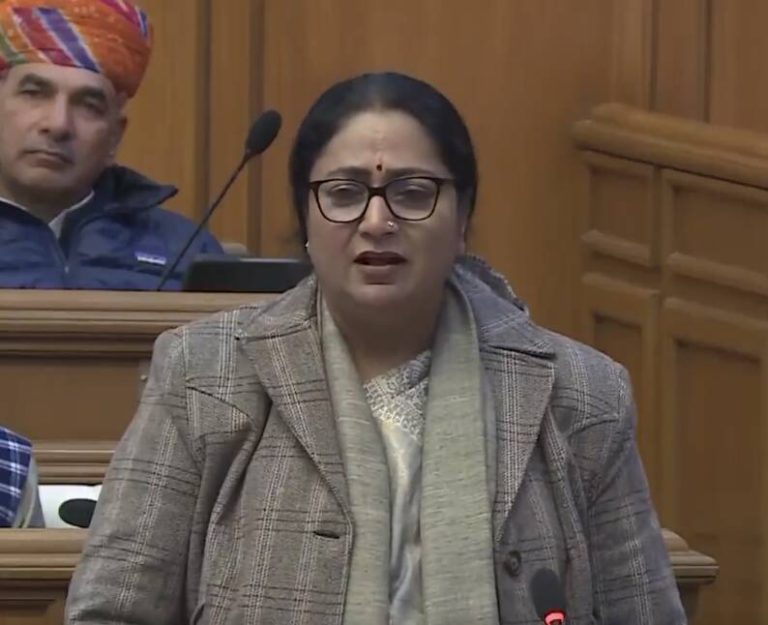
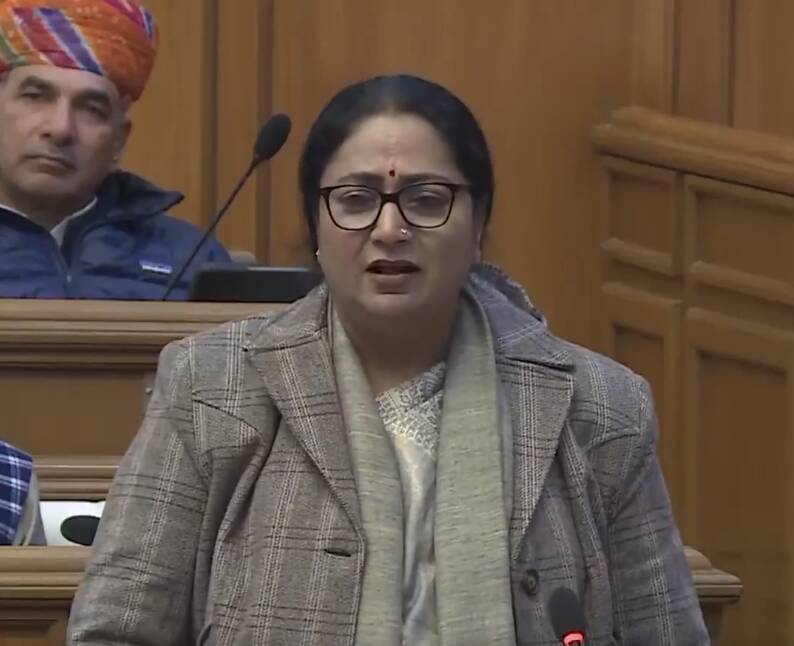
In a recent statement, Delhi Chief Minister Rekha Gupta expressed her deep hurt and frustration over the constant mocking and memes created by the Aam Aadmi Party (AAP) targeting her verbal slips. The Chief Minister’s remarks have sparked a heated debate about the limits of political satire and the impact of social media on public discourse.
Rekha Gupta’s statement came in response to the AAP’s repeated attempts to ridicule her over minor verbal mistakes. The Chief Minister revealed that she was deeply hurt by the memes and jokes made at her expense, particularly when she mispronounced AQI as “AIQ” and accidentally said “Congress” instead of “British” during a speech. These minor slips were quickly pounced upon by the AAP, which created a series of memes and jokes mocking the Chief Minister’s language skills.
The Chief Minister’s emotional response to the AAP’s memes has raised important questions about the role of social media in politics. While social media has undoubtedly democratized public discourse and provided a platform for citizens to engage with politicians, it has also created a culture of instant mockery and ridicule. A minor verbal slip can quickly go viral, and politicians are often subjected to merciless ridicule and mocking.
Rekha Gupta’s statement highlights the human cost of this culture of mockery. The Chief Minister’s tears and emotional response to the AAP’s memes are a reminder that politicians are human beings, too, and that they can be hurt by the constant barrage of jokes and ridicule. While politicians are expected to have thick skins and withstand criticism, the constant mocking and ridicule can take a toll on their mental health and well-being.
The AAP’s response to Rekha Gupta’s statement has been predictable. The party has defended its right to criticize the Chief Minister and has argued that its memes and jokes are a form of legitimate political satire. However, the party’s response has also raised questions about the limits of political satire and the impact of social media on public discourse.
While political satire has long been a part of Indian politics, the rise of social media has changed the nature of satire. In the past, political satire was largely confined to print and television media, where it was subject to editorial controls and fact-checking. Social media, on the other hand, has created a Wild West of satire, where anyone can create and share memes and jokes without any editorial controls or fact-checking.
The AAP’s memes and jokes targeting Rekha Gupta are a classic example of this phenomenon. While the party may argue that its memes are a form of legitimate satire, they have undoubtedly crossed the line into personal ridicule and mocking. The memes have been widely shared on social media, and they have contributed to a culture of mockery and ridicule that can be hurtful and damaging to the Chief Minister’s reputation.
In this context, Rekha Gupta’s statement is a timely reminder of the need for civility and respect in public discourse. While politicians are expected to withstand criticism and ridicule, they are also human beings who deserve to be treated with dignity and respect. The AAP’s memes and jokes may be funny to some, but they have undoubtedly hurt the Chief Minister deeply, and they have contributed to a culture of mockery and ridicule that can be damaging to public discourse.
In conclusion, the controversy over the AAP’s memes targeting Rekha Gupta highlights the need for a more nuanced and respectful approach to political satire. While satire has long been a part of Indian politics, the rise of social media has changed the nature of satire, and it has created a culture of instant mockery and ridicule. Rekha Gupta’s statement is a timely reminder of the need for civility and respect in public discourse, and it highlights the human cost of the culture of mockery and ridicule that has become so prevalent on social media.
As we move forward, it is essential to recognize the importance of respecting our politicians, even when we disagree with them. While criticism and satire are essential components of a healthy democracy, they should never cross the line into personal ridicule and mocking. By promoting a culture of respect and civility, we can create a more constructive and respectful public discourse that benefits everyone.
About the Author