It hurts me: Rekha on AAP’s memes targeting her over verbal slips
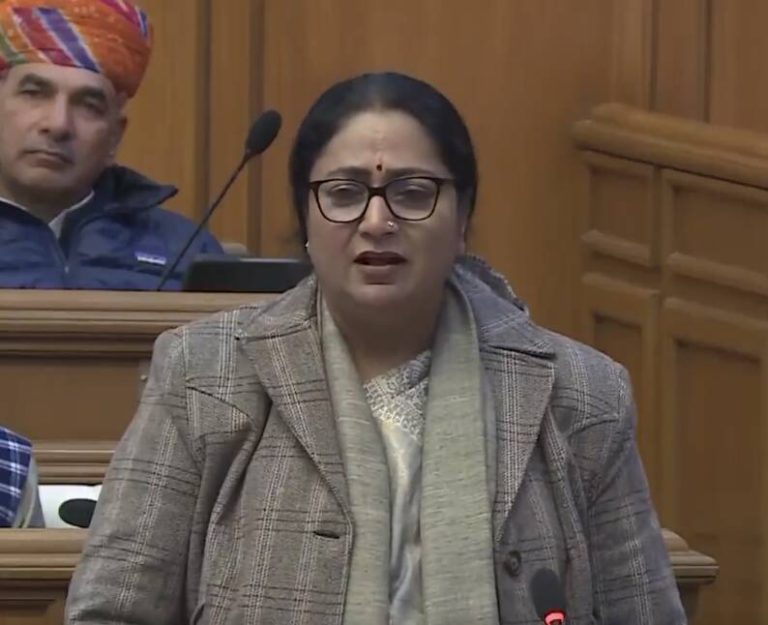
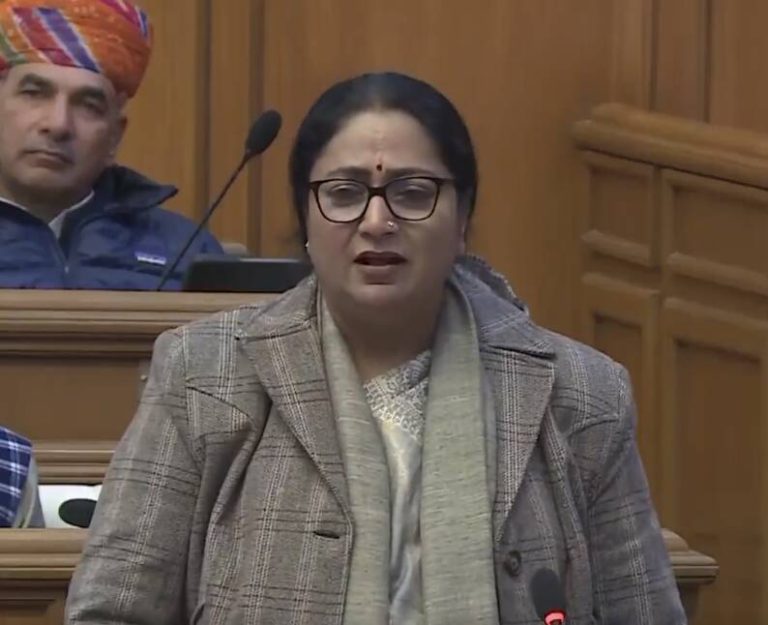
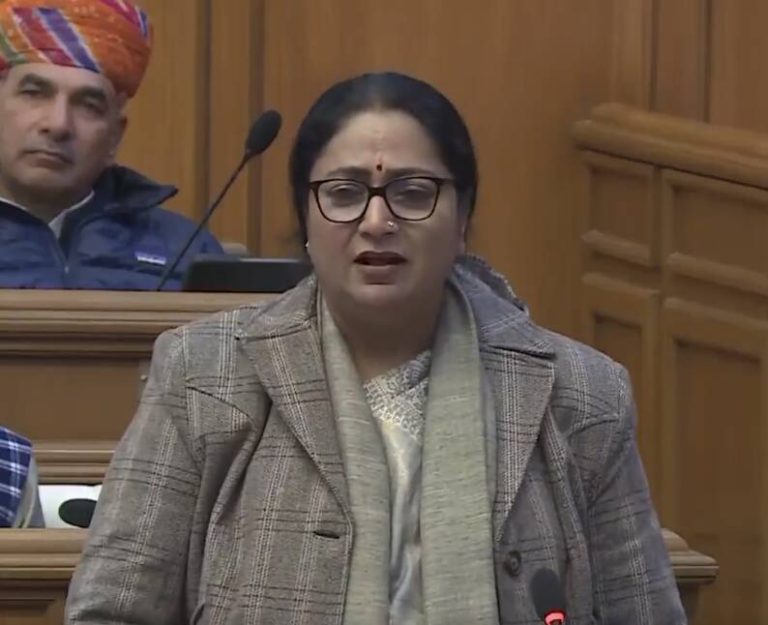
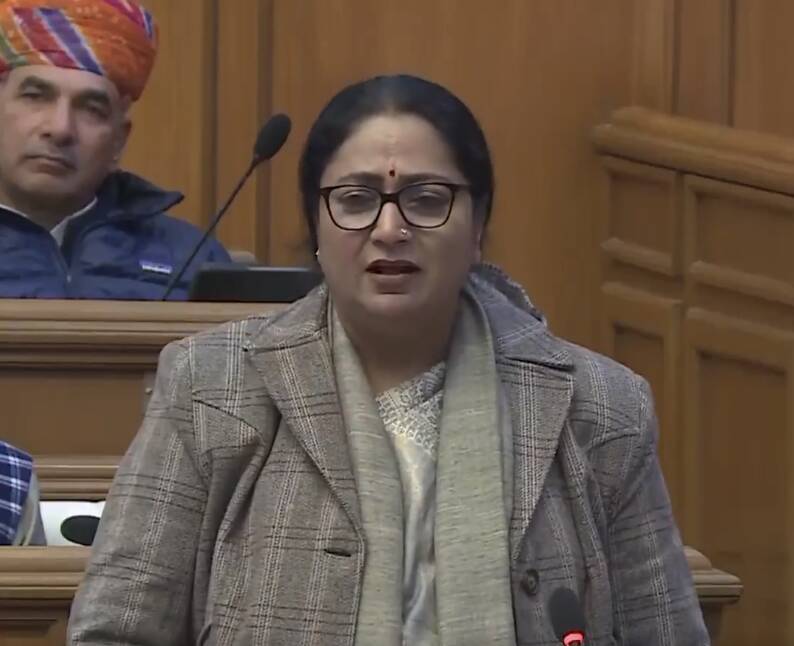
In a recent statement, Delhi Chief Minister Rekha Gupta expressed her disappointment and hurt over the constant memes and mockery by the Aam Aadmi Party (AAP) targeting her over verbal slips. The Chief Minister stated that whenever she makes a mistake or a word slips from her mouth, the AAP is quick to create memes and mock her, which hurts her deeply.
Rekha Gupta specifically mentioned two instances where she was mocked by the AAP for her verbal slips. The first instance was when she mispronounced the term “AQI” (Air Quality Index) as “AIQ” during a speech. The AAP was quick to pounce on this mistake and created memes mocking her for her lack of knowledge about environmental issues. The second instance was when she accidentally said “Congress” instead of “British” during a speech, again prompting the AAP to create memes and mock her for her mistake.
The Chief Minister expressed her frustration and sadness over the constant ridicule and mockery by the AAP. She stated that as a public figure, she is not immune to making mistakes, but what hurts her is the way the AAP is quick to capitalize on these mistakes and use them to mock her. Rekha Gupta emphasized that she is a human being and not a robot, and that she is entitled to make mistakes. However, she feels that the AAP’s constant mockery is not only hurtful but also unbecoming of a political party.
Rekha Gupta’s statement has sparked a debate about the politics of ridicule and mockery in India. While some have come out in support of the Chief Minister, stating that she is right to feel hurt and frustrated by the AAP’s constant mockery, others have argued that as a public figure, she should be prepared to face criticism and ridicule. However, the question remains, is it fair to constantly mock and ridicule someone for their verbal slips, especially when they are trying to perform their duties as a public figure to the best of their abilities?
The use of memes and social media to mock and ridicule political opponents is a growing trend in Indian politics. While memes can be a funny and lighthearted way to poke fun at politicians, they can also be used to belittle and humiliate them. In the case of Rekha Gupta, the AAP’s constant mockery of her verbal slips has been seen by some as a form of bullying and harassment. The question remains, where do we draw the line between fair criticism and ridicule, and when does it become too much?
Rekha Gupta’s statement has also highlighted the issue of sexism and misogyny in Indian politics. As a female Chief Minister, she is already subject to a higher level of scrutiny and criticism than her male counterparts. The constant mockery and ridicule by the AAP can be seen as a form of sexism, where a female politician is being held to a higher standard than her male counterparts. This is not only unfair but also damaging to the cause of women’s empowerment in India.
In conclusion, Rekha Gupta’s statement about the AAP’s memes targeting her over verbal slips has sparked an important debate about the politics of ridicule and mockery in India. While memes can be a funny and lighthearted way to poke fun at politicians, they can also be used to belittle and humiliate them. As a society, we need to draw a line between fair criticism and ridicule, and ensure that our politicians are treated with respect and dignity, regardless of their gender or party affiliation.
About the Author