It hurts me: Rekha on AAP’s memes targeting her over verbal slips
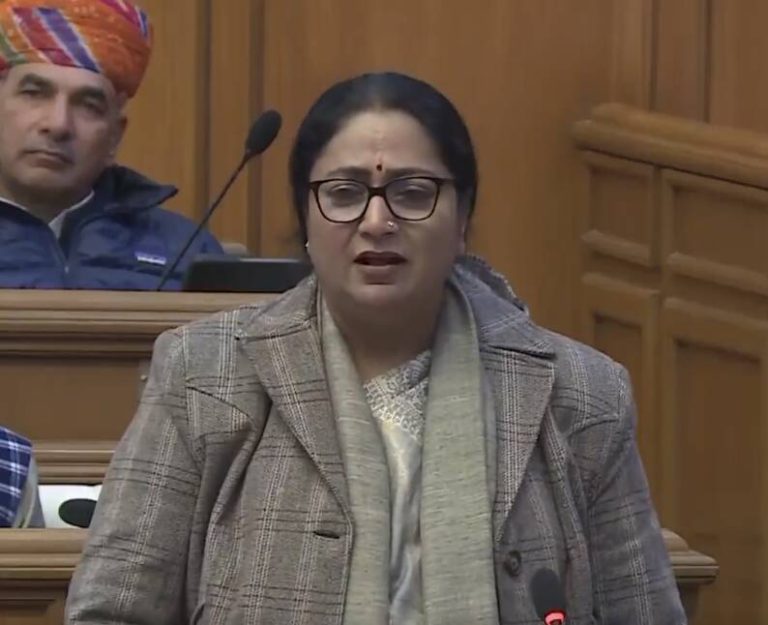
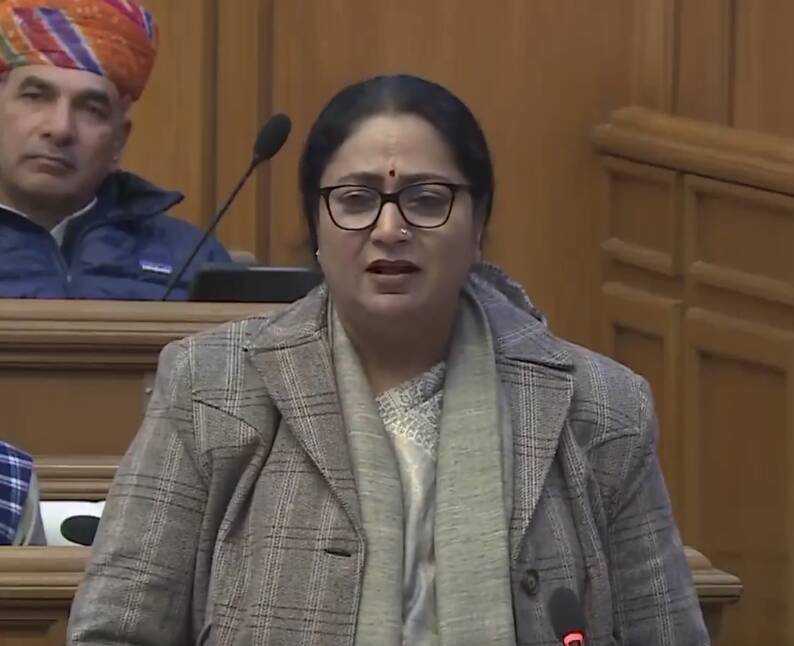
In a recent interview, Delhi Chief Minister Rekha Gupta expressed her disappointment and hurt over the constant mocking she faces from the Aam Aadmi Party (AAP) for her verbal slips. The Delhi CM stated that she feels deeply hurt when AAP creates memes and mocks her for accidental mistakes she makes during speeches or public appearances. Gupta’s comments have sparked a debate about the nature of political discourse in India and the impact of social media on politicians.
Rekha Gupta, who has been at the forefront of Delhi’s political landscape, has been a subject of AAP’s criticism and ridicule for her verbal slips. The Delhi CM recalled two instances where she was mocked by AAP for her mistakes. The first instance was when she mispronounced the term “AQI” (Air Quality Index) as “AIQ” during a speech. The second instance was when she accidentally said “Congress” instead of “British” during a speech. AAP was quick to pounce on these mistakes, creating memes and mocking her on social media.
Gupta expressed her disappointment and frustration over the constant mocking she faces from AAP. “If a word slips from my mouth by mistake, AAP makes memes on it and mocks me. It hurts me deeply,” she stated. The Delhi CM emphasized that she is human and can make mistakes, but she does not deserve to be ridiculed and mocked for them. Gupta’s comments highlight the pressure and scrutiny that politicians face in the public eye, where even the smallest mistake can be magnified and used as a tool for criticism.
The use of social media to mock and criticize politicians has become a common phenomenon in Indian politics. Social media platforms like Twitter, Facebook, and Instagram have given politicians and their supporters a platform to express their opinions and criticize their opponents. However, this has also led to a culture of ridicule and mockery, where politicians are often subjected to personal attacks and ridicule for their mistakes.
The AAP’s strategy of creating memes and mocking Gupta for her verbal slips is a classic example of this phenomenon. While the party may see this as a way to criticize and undermine Gupta’s authority, it also reflects a lack of maturity and civility in political discourse. By resorting to ridicule and mockery, AAP is essentially reducing the level of political debate to a childish and juvenile level.
Gupta’s comments also highlight the double standards that exist in Indian politics. While politicians are quick to criticize and mock their opponents for their mistakes, they often fail to acknowledge and apologize for their own mistakes. This lack of accountability and transparency is a major problem in Indian politics, where politicians often prioritize their own interests over the public good.
The impact of social media on politicians is a complex and multifaceted issue. On the one hand, social media has given politicians a platform to connect with their constituents and promote their policies. On the other hand, it has also created a culture of scrutiny and criticism, where politicians are constantly under the microscope. The constant pressure to perform and the fear of being ridiculed or mocked can take a toll on politicians’ mental health and well-being.
In conclusion, Rekha Gupta’s comments highlight the need for a more civil and mature political discourse in India. While it is natural for politicians to make mistakes, it is not acceptable to ridicule and mock them for these mistakes. By resorting to ridicule and mockery, politicians and their supporters are essentially reducing the level of political debate to a childish and juvenile level. It is time for politicians and their supporters to elevate the level of political discourse and engage in constructive and respectful criticism.
As the Delhi CM, Gupta deserves respect and dignity, regardless of her mistakes. By mocking and ridiculing her, AAP is essentially undermining her authority and damaging the institution of the Chief Minister. It is time for politicians to take a step back and reflect on the impact of their words and actions on others. By doing so, they can create a more positive and respectful political culture that promotes constructive debate and criticism.
About the Author