India changed since Raj Kapoor’s era but friendship remains: Putin
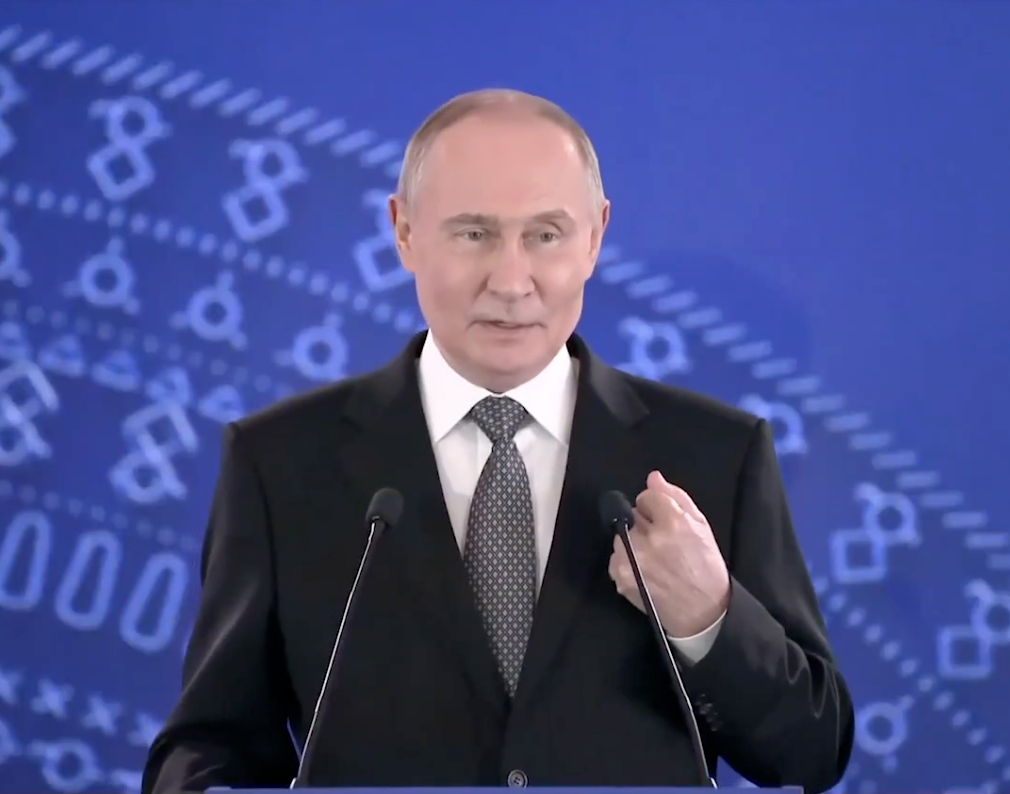
Russian President Vladimir Putin, during his visit to India, invoked Raj Kapoor’s legacy to emphasise the enduring friendship between the two nations. In a statement that highlighted the strong bond between India and Russia, Putin noted that while India’s economy has undergone significant transformations since the era of the legendary Bollywood filmmaker, one thing has remained constant: the friendship and shared commitment to cooperation between the two countries.
Raj Kapoor, often referred to as the “Showman of Indian cinema,” was a household name not only in India but also in the Soviet Union. His films, such as ‘Awaara’ (1951), ‘Shree 420’ (1955), and ‘Mera Naam Joker’ (1970), were immensely popular in the USSR, and he was revered as a cultural icon. The appeal of his movies transcended linguistic and cultural barriers, resonating with audiences across the vast Soviet landscape.
Putin’s reference to Raj Kapoor’s era serves as a poignant reminder of the deep cultural and historical ties between India and Russia. The Russian President’s statement underscores the fact that despite the significant economic and political changes that India has undergone since the 1950s and 1960s, the foundation of the India-Russia relationship remains strong. The shared values of friendship, mutual respect, and cooperation have endured, even as the world around us has undergone profound transformations.
The era of Raj Kapoor was marked by a sense of idealism and optimism in India, as the country had just gained independence from British colonial rule. The Indian film industry, led by pioneers like Raj Kapoor, played a significant role in shaping the nation’s cultural identity and promoting a sense of national pride. The popularity of Indian films in the Soviet Union during this period was a testament to the common values and aspirations that the two nations shared.
The USSR, under the leadership of Joseph Stalin and later Nikita Khrushchev, was a key ally of India during the Cold War era. The two nations cooperated closely on various fronts, including trade, technology, and culture. The Soviet Union provided significant economic and military aid to India, which helped the country to build its industrial base and strengthen its defense capabilities.
In the field of culture, the exchange between India and the Soviet Union was particularly vibrant. Indian films, music, and dance were extremely popular in the USSR, and many Soviet artists and intellectuals were inspired by Indian culture. The Bolshoi Ballet, for instance, was known to have performed Indian-themed ballets, such as “The Fountain of Bakhchisarai,” which was set to Indian music and featured Indian dancers.
Today, as India and Russia celebrate their enduring friendship, it is clear that the bond between the two nations extends far beyond the realm of politics and economics. The cultural exchange between India and Russia has continued to flourish, with many Indian students pursuing higher education in Russian universities and many Russian artists and intellectuals engaging with Indian culture.
In recent years, the India-Russia relationship has acquired a new dimension, with the two nations cooperating closely on issues such as counter-terrorism, energy security, and regional stability. The annual summit meetings between the Indian Prime Minister and the Russian President have become an important forum for discussing bilateral and regional issues.
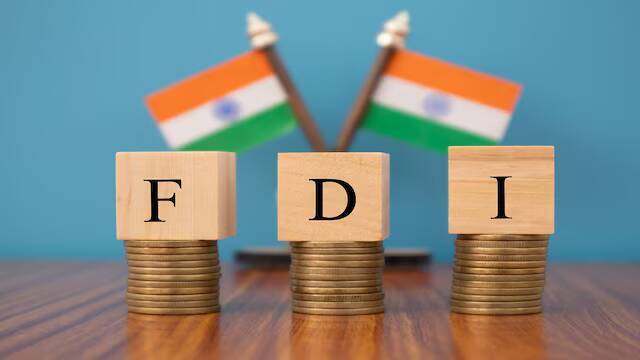
As Putin noted, India’s economy has changed dramatically since Raj Kapoor’s era. The country has emerged as a major economic power, with a growing middle class and a rapidly expanding industrial base. India’s GDP has grown from a mere $30 billion in 1960 to over $2.5 trillion today, making it one of the fastest-growing major economies in the world.
However, despite these significant changes, the foundation of the India-Russia relationship remains strong. The two nations continue to share a deep commitment to cooperation and mutual understanding, which has been forged over decades of interaction and exchange. As Putin’s statement emphasizes, the friendship between India and Russia is a constant that has endured despite the many changes that have taken place in the world around us.
In conclusion, the statement by Russian President Vladimir Putin highlights the enduring nature of the India-Russia friendship, which has remained a constant despite the significant changes that have taken place in India since Raj Kapoor’s era. The cultural exchange between the two nations, which was exemplified by the popularity of Raj Kapoor’s films in the USSR, continues to flourish today. As India and Russia look to the future, it is clear that their friendship will remain a vital component of their bilateral relationship, providing a foundation for cooperation and mutual understanding in the years to come.
News Source: https://x.com/DDNewslive/status/1997262500354744821
About the Author