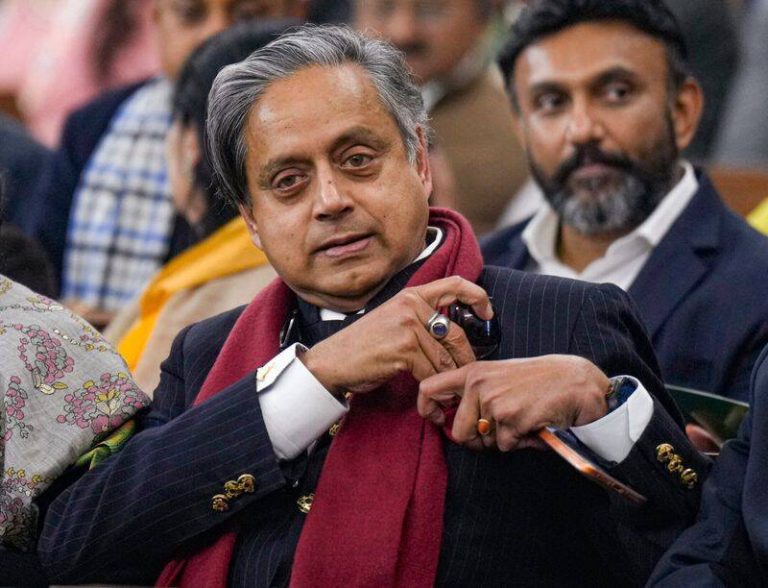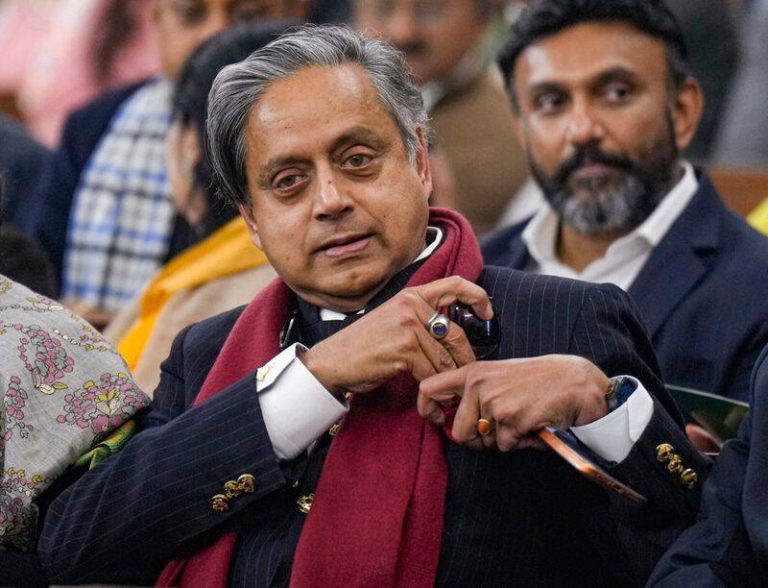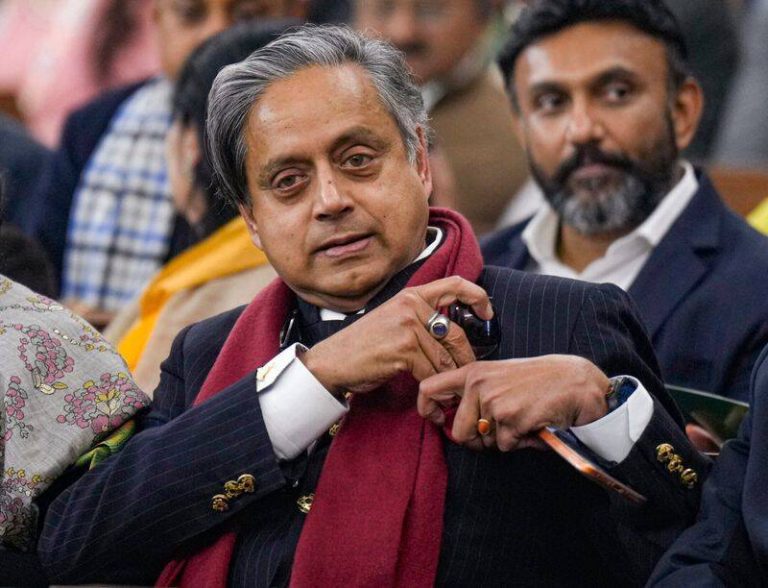
Govt did exactly what I recommended: Shashi Tharoor on Op Sindoor
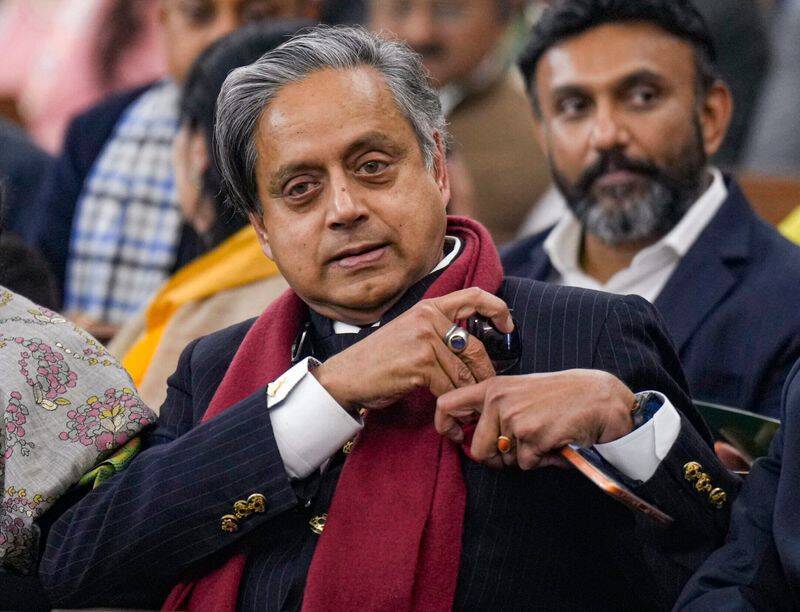
In a recent statement, Congress MP Shashi Tharoor has sparked a debate by expressing his disagreement with his party’s stance on Operation Sindoor. Tharoor, known for his outspoken views, has revealed that he supported the government’s actions during the operation, citing that they align with the recommendations he made in a column after the Pahalgam attack. The Pahalgam attack, which shook the nation, prompted Tharoor to pen his thoughts on how India should respond to such incidents, and it appears that the government took his advice to heart.
When questioned about his stance, Tharoor was unapologetic, stating, “How do you expect me to criticise what I myself recommended? I supported it fully.” This statement has raised eyebrows, with many wondering how a member of the opposition party could openly support the government’s actions, especially when they seem to contradict the party’s official stance. Tharoor’s response, however, suggests that he is willing to put aside party affiliations and prioritize national interests.
To understand the context of Tharoor’s statement, it’s essential to delve into the details of Operation Sindoor and the Pahalgam attack that prompted his column. The Pahalgam attack was a devastating incident that highlighted the vulnerabilities of India’s security apparatus. In the aftermath of the attack, Tharoor, like many others, was compelled to think about how India could respond effectively to such incidents. His column, which outlined a series of recommendations, was an attempt to contribute to the national discourse on the issue.
Tharoor’s recommendations, as outlined in his column, emphasized the need for a robust and decisive response to terrorist attacks. He argued that India should not be held hostage by the fear of escalation and that the government should take bold steps to protect its citizens. The government, it seems, took Tharoor’s advice seriously and launched Operation Sindoor, which was designed to neutralize the threats posed by terrorist groups.
The operation, which was widely reported in the media, was seen as a significant success, with many praising the government’s decisive action. However, not everyone was pleased, and the Congress party, to which Tharoor belongs, was critical of the government’s handling of the situation. The party’s stance, which was at odds with Tharoor’s views, has created an interesting dynamic, with some questioning Tharoor’s loyalty to the party.
Tharoor, however, remains unfazed by the criticism, stating that he is willing to speak his mind, even if it means going against the party line. This approach, while commendable, has raised questions about the role of party affiliation in Indian politics. Should politicians be expected to toe the party line, even when they disagree with it, or should they be free to express their opinions, even if it means going against the party’s stance?
The debate surrounding Tharoor’s statement is a reflection of the complexities of Indian politics, where party affiliations often take center stage. While some may view Tharoor’s actions as a betrayal of his party, others see it as a refreshing change, where a politician is willing to put national interests above party loyalty. As the debate rages on, one thing is clear: Tharoor’s statement has sparked a necessary conversation about the role of politicians in Indian democracy.
In conclusion, Shashi Tharoor’s statement on Operation Sindoor has created a stir, with many questioning his decision to support the government’s actions. However, as Tharoor himself has pointed out, he is unapologetic about his stance, citing that the government did exactly what he recommended in his column after the Pahalgam attack. The debate surrounding Tharoor’s statement is a reflection of the complexities of Indian politics, where party affiliations often take center stage. As the nation continues to grapple with the challenges of terrorism and national security, it’s essential to have open and honest discussions about the role of politicians in Indian democracy.
News Source: https://x.com/pradip103/status/2015265846512488667
About the Author