Gogoi says can’t drive at 130km/h due to bad roads, Gadkari reacts
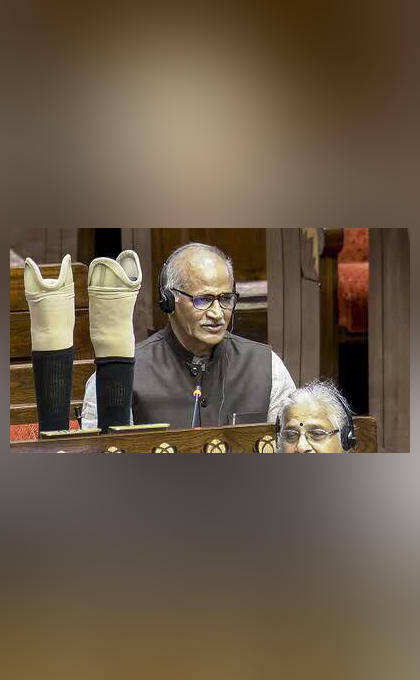
The state of roads in India has been a topic of discussion for a long time. While the government has been working to improve the road infrastructure, there are still many areas where the condition of roads is a major concern. Recently, Congress leader Gaurav Gogoi highlighted the issue of bad roads in Assam, stating that people are unable to drive at speeds of 100-130km/h due to the poor condition of the roads.
Gogoi specifically mentioned the National Highway 37 (NH-37) that connects Jorhat to Dibrugarh, saying that it is in a “bad state”. He also pointed out that people are paying tolls to use these roads, but they are not getting the quality they deserve. This is a valid concern, as the primary purpose of paying tolls is to ensure that the roads are well-maintained and safe to use.
The issue of bad roads is not limited to Assam, but it is a problem that affects many parts of the country. The poor condition of roads can lead to a number of problems, including increased travel time, damage to vehicles, and even accidents. It is the responsibility of the government to ensure that the roads are in good condition, and it is clear that more needs to be done to address this issue.
In response to Gogoi’s statement, Union Minister Nitin Gadkari acknowledged that the road in question was damaged due to heavy rains and assured that it will be restored to good condition within six months. While this is a positive response, it is important to note that the problem of bad roads is not just limited to this one stretch of road. There are many other areas where the condition of the roads is a major concern, and it will take a sustained effort to address this issue.
It is also worth noting that the government has been working to improve the road infrastructure in the country. There have been a number of initiatives launched in recent years to upgrade the roads and highways, and there are plans to invest heavily in the sector in the coming years. However, more needs to be done to ensure that the roads are safe and well-maintained, and that the people are getting the quality they deserve.
In addition to the issue of bad roads, there is also the question of accountability. When people pay tolls to use the roads, they expect a certain level of quality and service. If the roads are not well-maintained, then it is the responsibility of the authorities to take action and ensure that the necessary repairs are carried out. This includes not just the government, but also the private companies that are responsible for maintaining the roads.
The issue of bad roads is also closely linked to the issue of economic development. Good roads are essential for the movement of goods and people, and they play a critical role in the development of the economy. If the roads are in poor condition, it can lead to increased costs and reduced productivity, which can have a negative impact on the economy as a whole.
In conclusion, the issue of bad roads is a major concern that affects many parts of the country. While the government has been working to improve the road infrastructure, more needs to be done to ensure that the roads are safe and well-maintained. The statement by Gaurav Gogoi highlights the need for urgent action to address this issue, and the response by Nitin Gadkari is a positive step in the right direction. However, it will take a sustained effort to address this issue, and it is essential that the government and other stakeholders work together to ensure that the people get the quality they deserve.
The fact that people are paying tolls to use the roads, but are not getting the quality they deserve, is a major concern. It is the responsibility of the authorities to ensure that the roads are well-maintained, and that the people are getting the service they are paying for. This includes not just the government, but also the private companies that are responsible for maintaining the roads.
As the country continues to grow and develop, it is essential that the road infrastructure is improved to meet the increasing demands. This includes not just the construction of new roads, but also the maintenance and upgrading of existing roads. The government has launched a number of initiatives to improve the road infrastructure, and there are plans to invest heavily in the sector in the coming years.
However, it is not just the government that has a role to play in improving the road infrastructure. The private sector also has a critical role to play, and there are many opportunities for private companies to invest in the sector. This includes not just the construction and maintenance of roads, but also the development of new technologies and innovative solutions to improve the road infrastructure.
In the end, the issue of bad roads is a complex one that requires a sustained effort to address. While there have been some positive steps taken in recent years, more needs to be done to ensure that the roads are safe and well-maintained. The statement by Gaurav Gogoi and the response by Nitin Gadkari highlight the need for urgent action to address this issue, and it is essential that the government and other stakeholders work together to ensure that the people get the quality they deserve.
Source: https://x.com/OfficeOfNG/status/1996489566979817577
About the Author