Gogoi says can’t drive at 130km/h due to bad roads, Gadkari reacts
The state of roads in India has been a topic of discussion for a long time, with many citizens complaining about the poor condition of highways and national roads. Recently, Congress leader Gaurav Gogoi highlighted the issue of bad roads in Assam, stating that people are unable to drive at speeds of 100-130km/h due to the poor condition of the roads. He specifically mentioned the National Highway 37 (NH-37) that connects Jorhat to Dibrugarh, saying that it is in a “bad state”.
Gogoi’s statement comes at a time when the government has been emphasizing the need for better infrastructure and faster transportation. However, the reality on the ground seems to be different, with many roads in the country being plagued by potholes, cracks, and other forms of damage. The Congress leader pointed out that people are paying tolls to use these roads, but they are not getting the quality of service they deserve. “Especially from Jorhat to Dibrugarh, NH-37 is in a bad state,” he added.
The issue of bad roads is not limited to Assam, but is a problem that affects many parts of the country. In fact, a recent report by the Ministry of Road Transport and Highways revealed that India has one of the highest rates of road accidents in the world, with many of these accidents being caused by poor road conditions. The report highlighted the need for better maintenance and upkeep of roads, as well as the importance of investing in new infrastructure projects.
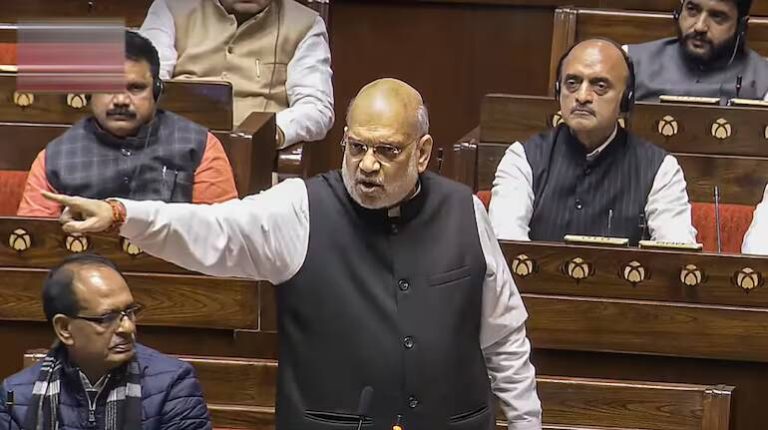
In response to Gogoi’s statement, Union Minister Nitin Gadkari acknowledged that the road in question was indeed in a bad state. However, he attributed the damage to heavy rainfall in the area, which had caused significant damage to the road. Gadkari assured that the road would be repaired and would be back to normal within six months. While this may provide some relief to commuters in the short term, it does not address the larger issue of poor road maintenance and the need for more investment in infrastructure.
The reaction from Gadkari highlights the challenges faced by the government in maintaining and improving the country’s road network. With a vast and diverse geography, India’s roads are subject to a range of environmental and climatic conditions, from heavy rainfall to extreme temperatures. Additionally, the country’s rapid economic growth and increasing population have put a strain on the existing infrastructure, leading to congestion and wear and tear on the roads.
Despite these challenges, the government has been taking steps to improve the country’s road network. In recent years, there has been a significant increase in investment in road construction and maintenance, with the government launching a number of initiatives aimed at improving the quality and safety of roads. These initiatives include the construction of new highways and expressways, as well as the upgrading of existing roads to improve their condition and capacity.
However, more needs to be done to address the issue of bad roads in the country. This includes increasing investment in road maintenance and repair, as well as implementing new technologies and innovations to improve the safety and efficiency of roads. Additionally, there is a need for greater transparency and accountability in the way that roads are constructed and maintained, to ensure that taxpayers are getting value for their money.
In conclusion, the issue of bad roads in India is a complex and multifaceted one, requiring a comprehensive and sustained response from the government and other stakeholders. While there have been some positive developments in recent years, more needs to be done to address the root causes of the problem and to ensure that citizens have access to safe and reliable roads. As Gogoi pointed out, people are paying tolls to use these roads, but they are not getting the quality of service they deserve. It is time for the government to take concrete steps to address this issue and to provide citizens with the infrastructure they need to thrive.
Source: https://x.com/OfficeOfNG/status/1996489566979817577
About the Author