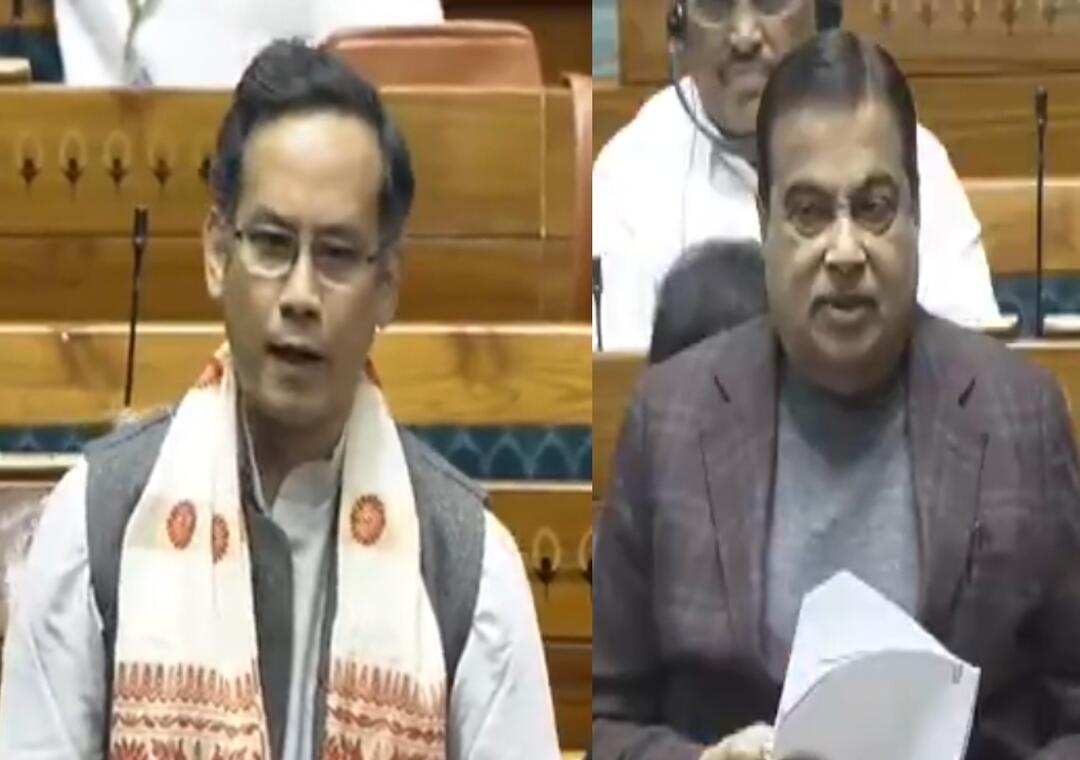
Gogoi says can’t drive at 130km/h due to bad roads, Gadkari reacts
In a recent statement, Congress leader Gaurav Gogoi highlighted the poor condition of roads in Assam, particularly on the National Highway 37 (NH-37) that connects Jorhat to Dibrugarh. Gogoi lamented that despite paying tolls, people are not getting the quality roads they deserve. He specifically mentioned that the roads are so bad that it’s impossible to drive at speeds of 100-130km/h, which is a significant concern for road safety and convenience.
Gogoi’s statement has sparked a conversation about the state of infrastructure in Assam and the need for better road maintenance. The Congress leader’s comments were not just a critique of the current state of affairs but also a call to action for the authorities to take immediate measures to improve the roads. The fact that people are paying tolls but not getting the expected quality of roads is a clear indication of the disconnect between the government’s promises and the reality on the ground.
The stretch of NH-37 from Jorhat to Dibrugarh is a critical connectivity corridor in Assam, and its poor condition has been a longstanding issue. The road is not only important for the local population but also for the movement of goods and services, which has a direct impact on the regional economy. The bad roads lead to increased travel times, higher fuel consumption, and greater wear and tear on vehicles, ultimately affecting the overall cost of doing business in the region.
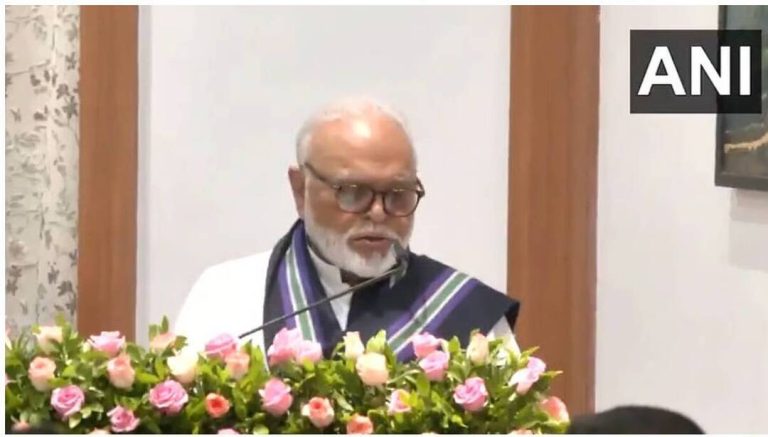
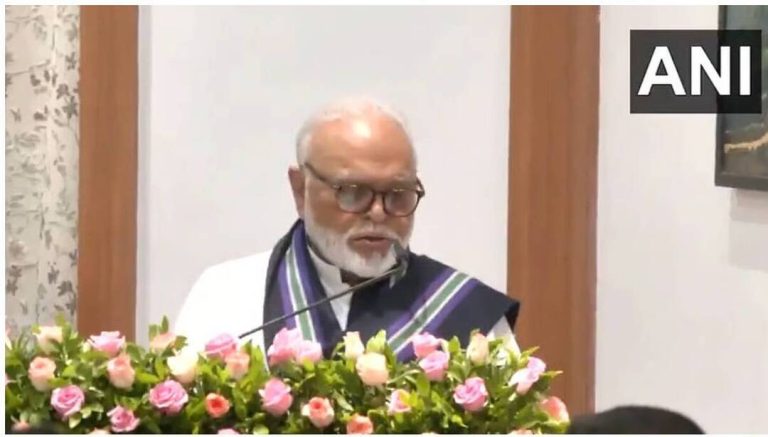
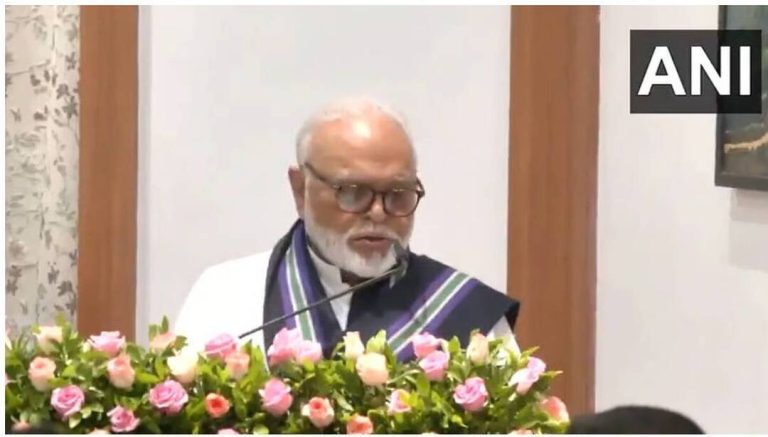
In response to Gogoi’s statement, Union Minister Nitin Gadkari acknowledged that the road was indeed in a bad state, particularly after the recent rains. However, he assured that the situation would improve within six months. Gadkari’s reaction is a welcome acknowledgment of the problem, and his promise to address the issue within a specific timeframe is a positive step.
While Gadkari’s response is reassuring, it’s essential to note that the problem of bad roads in Assam is not a new one. The state has been struggling with poor infrastructure for years, and the issue has been exacerbated by factors such as heavy rainfall, lack of maintenance, and inadequate funding. The fact that the road was damaged after the rains is not surprising, given the region’s high rainfall and the resulting strain on the infrastructure.
The need for better road maintenance and infrastructure development in Assam cannot be overstated. The state’s economy is heavily dependent on agriculture, and the movement of goods and services is critical to its growth. The poor condition of roads not only affects the local population but also has a ripple effect on the entire regional economy.
In recent years, the Indian government has launched several initiatives to improve the country’s infrastructure, including the development of new highways, bridges, and roads. However, the pace of progress has been slow, and the quality of the infrastructure has been a concern in many parts of the country, including Assam.
To address the issue of bad roads in Assam, the government needs to take a multi-pronged approach. Firstly, it needs to increase funding for road maintenance and infrastructure development. This can be achieved through a combination of government allocations, public-private partnerships, and external funding from international agencies.
Secondly, the government needs to ensure that the funds allocated for road maintenance are utilized efficiently and effectively. This requires better planning, monitoring, and supervision of the projects, as well as strict adherence to quality standards.
Thirdly, the government needs to take a proactive approach to maintaining the roads, particularly during the monsoon season. This can be achieved through regular inspections, timely repairs, and the use of advanced technologies such as drone-based monitoring and predictive maintenance.
Finally, the government needs to engage with the local population and stakeholders to understand their concerns and priorities. This can be achieved through regular consultations, public hearings, and feedback mechanisms, which can help identify the most critical areas that require attention.
In conclusion, Gogoi’s statement has highlighted the pressing issue of bad roads in Assam, and Gadkari’s response is a welcome acknowledgment of the problem. However, the solution to this issue requires a sustained effort from the government, including increased funding, better planning, and proactive maintenance. The people of Assam deserve better roads, and it’s time for the authorities to take concrete steps to address this critical issue.
News Source: https://x.com/OfficeOfNG/status/1996489566979817577
About the Author