Gogoi says can’t drive at 130km/h due to bad roads, Gadkari reacts
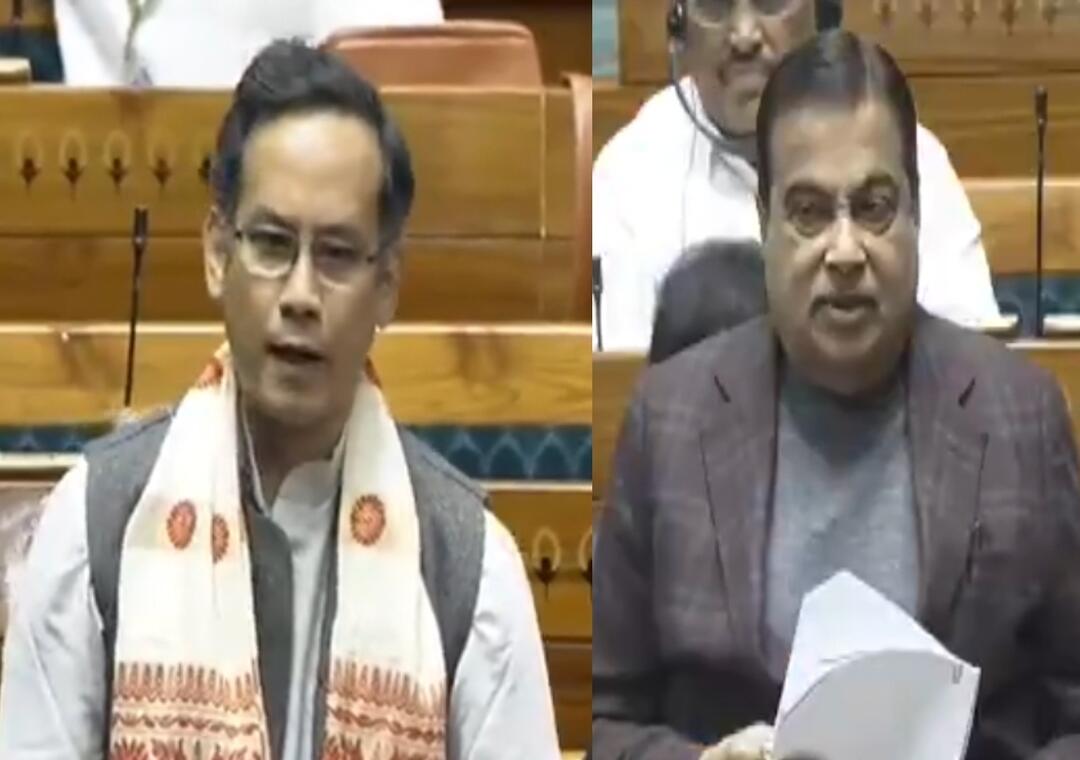
In a recent statement, Congress leader Gaurav Gogoi highlighted the deplorable state of roads in Assam, particularly on the National Highway 37 (NH-37) stretch between Jorhat and Dibrugarh. Gogoi emphasized that despite paying tolls, citizens are not receiving the quality roads they deserve, making it impossible to drive at speeds of 100-130km/h. This statement sparked a reaction from Union Minister Nitin Gadkari, who acknowledged the issue and attributed the damage to recent rains, assuring that the situation will improve within six months.
The condition of roads in India has been a long-standing concern, with many stretches plagued by potholes, uneven surfaces, and lack of maintenance. The situation is particularly dire in states like Assam, where the terrain and climate can be challenging. The NH-37, which connects Jorhat to Dibrugarh, is a critical artery for the region, facilitating the movement of people, goods, and services. However, as Gogoi pointed out, the road is in a bad state, rendering it difficult for drivers to maintain high speeds.
Gogoi’s statement is not just a complaint; it highlights a broader issue of accountability and governance. When citizens pay tolls, they expect a certain level of service in return. In this case, the poor condition of the roads implies that the funds collected are not being utilized effectively to maintain and upgrade the infrastructure. This raises questions about the management of road construction and maintenance projects, as well as the role of government agencies and contractors responsible for these projects.
The response from Union Minister Nitin Gadkari is a welcome acknowledgment of the problem. Gadkari’s statement that the road was damaged due to recent rains and will be restored within six months suggests that the government is aware of the issue and is working to address it. However, this also raises questions about the long-term planning and preparedness of the government to mitigate the impact of natural disasters on critical infrastructure like roads.
The incident also underscores the importance of citizen engagement and feedback in governance. Gogoi’s statement, as a public representative, reflects the concerns and frustrations of the people he represents. It is essential for government agencies and elected representatives to be receptive to such feedback and to prioritize the needs and concerns of citizens. By doing so, they can ensure that public services, including infrastructure development, are responsive to the needs of the community.
Furthermore, the issue of road quality and safety is closely linked to economic development and public health. Good roads facilitate the movement of goods, services, and people, contributing to economic growth and development. On the other hand, poor road conditions can lead to accidents, injuries, and fatalities, imposing significant economic and social costs on individuals and society as a whole.
In conclusion, the exchange between Gogoi and Gadkari highlights the pressing need for improved road infrastructure in Assam and other parts of India. It is essential for government agencies, contractors, and elected representatives to work together to address the concerns of citizens, ensure accountability, and prioritize the maintenance and upgrading of critical infrastructure like roads. By doing so, they can contribute to economic development, public safety, and the well-being of citizens.
As the situation develops, it will be crucial to monitor the progress of road repair and maintenance work on NH-37 and other critical stretches. Citizens, public representatives, and government agencies must continue to engage in a constructive dialogue to ensure that the concerns of the community are addressed, and that public services meet the expectations of those who use them.
For more information on this story, please visit: https://x.com/OfficeOfNG/status/1996489566979817577
News Source: https://x.com/OfficeOfNG/status/1996489566979817577
About the Author