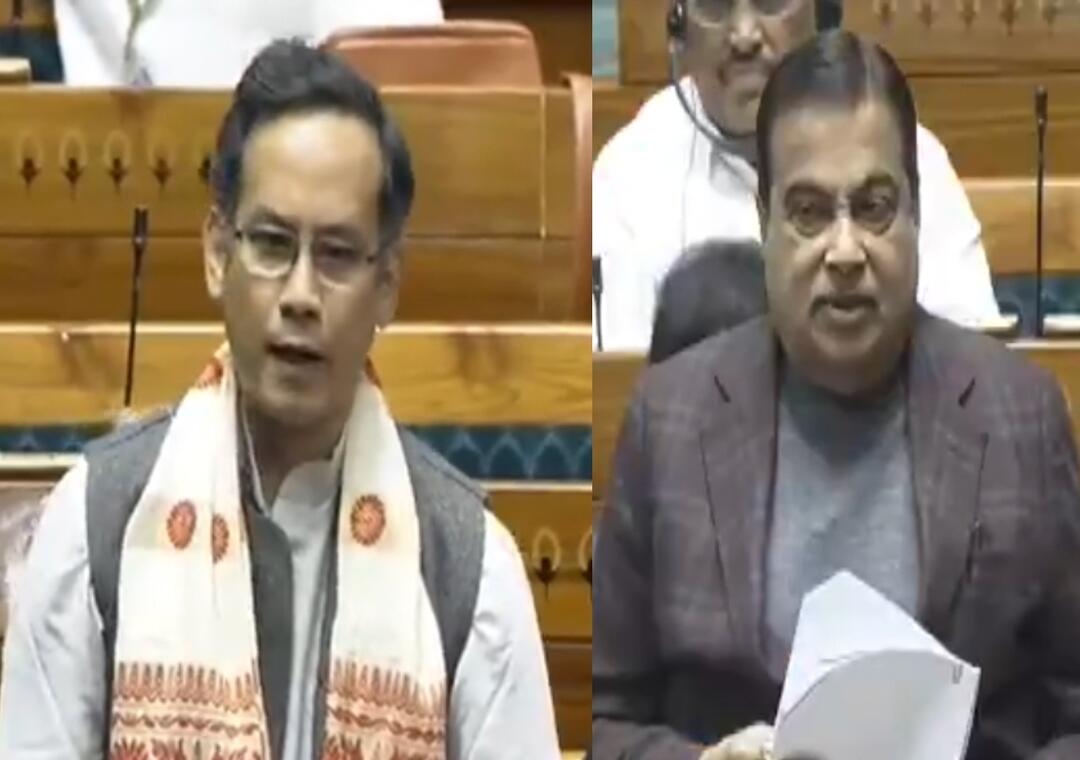
Gogoi says can’t drive at 130km/h due to bad roads, Gadkari reacts
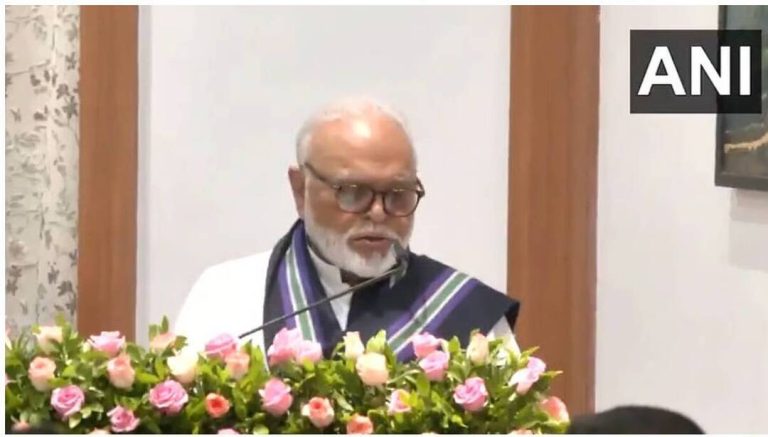
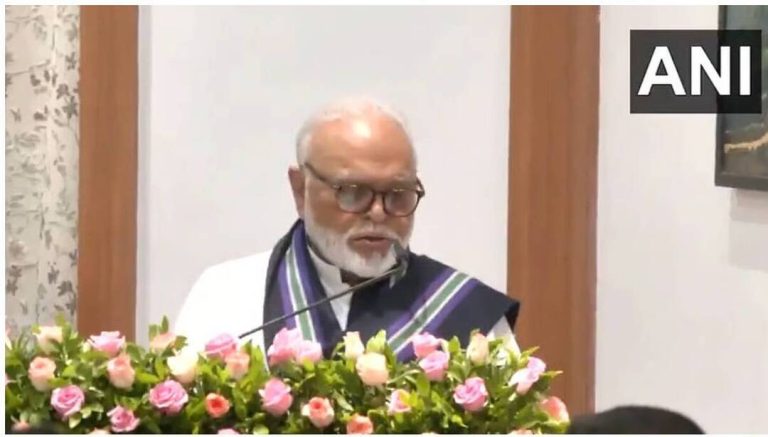
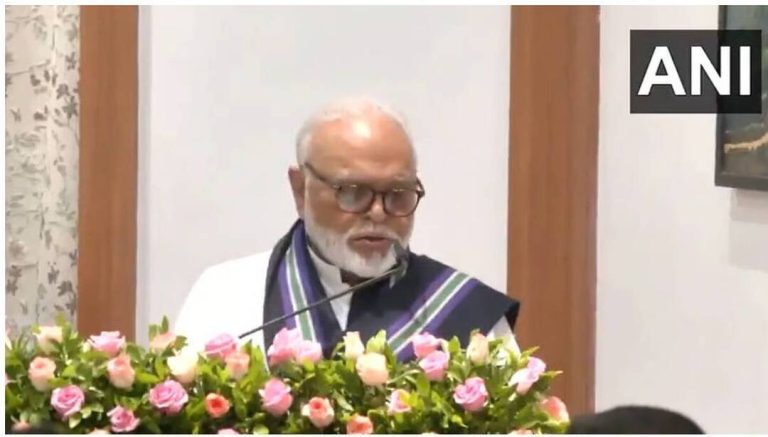
The state of roads in India has been a topic of discussion for a long time, with many citizens complaining about the poor condition of highways and roads in various parts of the country. Recently, Congress leader Gaurav Gogoi highlighted the issue of bad roads in Assam, stating that people are unable to drive at speeds of 100-130km/h due to the poor condition of the roads. Gogoi’s statement sparked a reaction from Union Minister Nitin Gadkari, who acknowledged the problem and promised that the situation would improve in the near future.
According to Gogoi, the bad roads in Assam are a major concern for the people of the state, who are forced to pay tolls but are not getting quality roads in return. He specifically mentioned the National Highway 37 (NH-37) that connects Jorhat to Dibrugarh, saying that it is in a “bad state”. Gogoi’s statement is not just a complaint, but a reflection of the frustration that many people in Assam and other parts of India feel when it comes to the condition of the roads.
The issue of bad roads is not just a matter of inconvenience, but also a safety concern. Poorly maintained roads can lead to accidents, damage to vehicles, and even loss of life. Moreover, the bad condition of roads can also have a negative impact on the economy, as it can increase transportation costs, reduce productivity, and hinder the movement of goods and services.
Gogoi’s statement is not an isolated incident, as there have been many complaints about the condition of roads in Assam and other parts of India. The problem is not just limited to NH-37, but is a widespread issue that affects many highways and roads in the country. The lack of maintenance, inadequate funding, and poor planning are some of the reasons that have contributed to the bad condition of roads in India.
In response to Gogoi’s statement, Union Minister Nitin Gadkari acknowledged that the road was damaged after the rains and assured that the situation would improve in six months. Gadkari’s reaction is a positive step, as it shows that the government is aware of the problem and is willing to take steps to address it. However, the question remains whether the government’s efforts will be enough to solve the problem of bad roads in Assam and other parts of India.
The government has launched several initiatives to improve the condition of roads in India, including the Bharatmala Pariyojana, a flagship program aimed at developing and maintaining national highways. The program has a budget of over Rs 10 lakh crore and aims to develop over 50,000 km of national highways. While the program is a step in the right direction, its success will depend on the effective implementation and monitoring of the projects.
In addition to the government’s initiatives, there is also a need for greater public awareness and participation in the maintenance of roads. Citizens can play a crucial role in reporting potholes and other defects on the roads, which can help the authorities to identify and fix the problems quickly. Moreover, citizens can also demand greater accountability from the government and the contractors responsible for maintaining the roads.
In conclusion, the issue of bad roads in Assam and other parts of India is a complex problem that requires a multifaceted solution. While the government’s initiatives are a step in the right direction, there is a need for greater public awareness and participation in the maintenance of roads. Gogoi’s statement and Gadkari’s reaction are a reminder that the problem of bad roads is not just a local issue, but a national concern that requires a coordinated effort to solve. As the government works to improve the condition of roads in India, it is essential that citizens remain vigilant and demand greater accountability from the authorities.
Source: https://x.com/OfficeOfNG/status/1996489566979817577
About the Author