Gogoi says can’t drive at 130km/h due to bad roads, Gadkari reacts
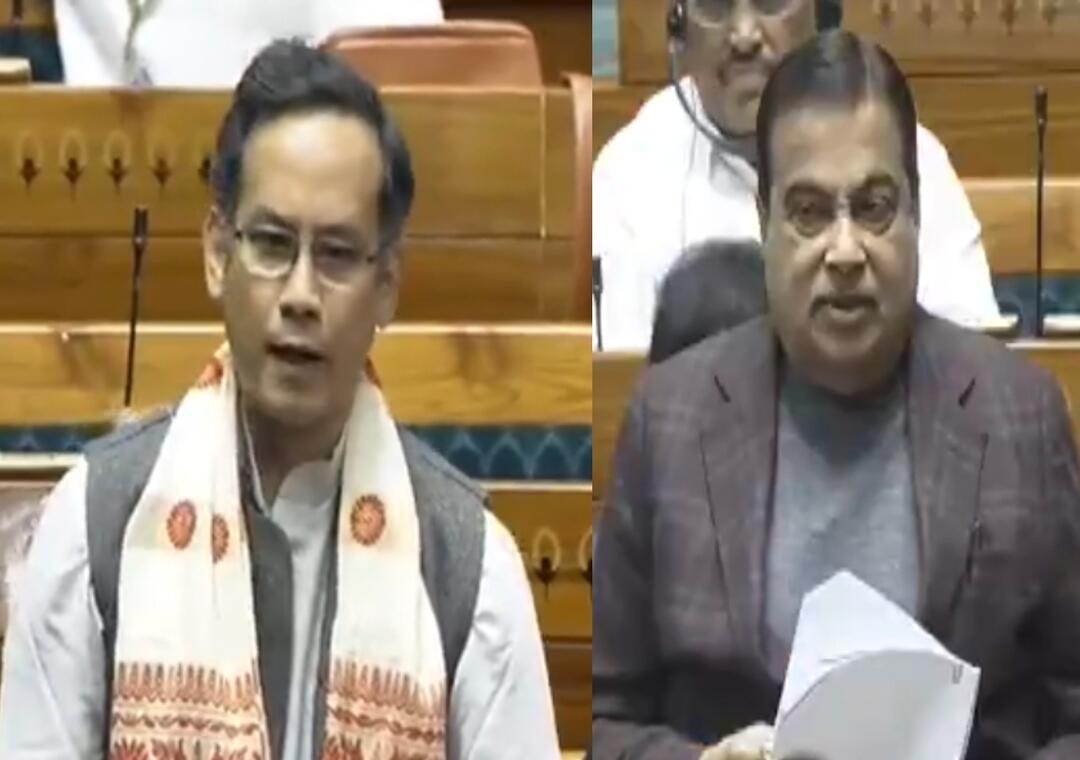
The condition of roads in India has been a topic of discussion for a long time, with many citizens complaining about the poor state of highways and roads in various parts of the country. Recently, Congress leader Gaurav Gogoi highlighted the issue of bad roads in Assam, stating that people are unable to drive at high speeds due to the poor condition of the roads. Gogoi’s comments sparked a reaction from Union Minister Nitin Gadkari, who acknowledged the problem and assured that the situation would be rectified soon.
According to Gogoi, the roads in Assam are so bad that people are unable to drive at speeds of 100-130km/h. He specifically mentioned the National Highway 37 (NH-37) that connects Jorhat to Dibrugarh, stating that it is in a particularly bad state. Gogoi’s comments came as a response to the poor condition of roads in the state, which has been a long-standing issue. The Congress leader also pointed out that people are paying tolls to use the roads, but are not getting the quality of roads that they deserve.
Gogoi’s statement highlights the frustration that many citizens feel when it comes to the condition of roads in India. Despite paying tolls and taxes, many people feel that they are not getting the quality of infrastructure that they deserve. The poor condition of roads not only causes inconvenience to drivers but also leads to a range of other problems, including increased travel times, vehicle damage, and even accidents.
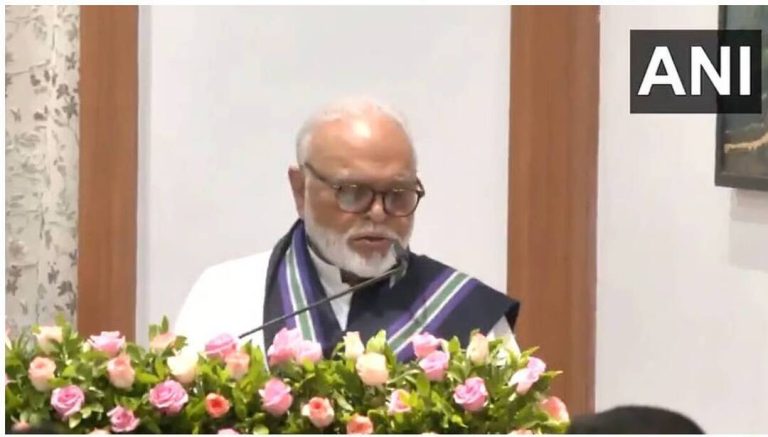
In response to Gogoi’s comments, Union Minister Nitin Gadkari acknowledged that the road in question was indeed in a bad state. However, he attributed the poor condition of the road to damage caused by recent rains. Gadkari assured that the situation would be rectified soon, stating that the road would be repaired and would be fine in six months.
While Gadkari’s response may provide some relief to citizens who are affected by the poor condition of the road, it also raises questions about the long-term solutions to the problem. The fact that the road was damaged by rains suggests that the infrastructure may not be resilient enough to withstand natural disasters. This highlights the need for more durable and sustainable road construction practices that can withstand extreme weather conditions.
Furthermore, the issue of bad roads in India is not limited to Assam or any one particular region. The problem is widespread, with many parts of the country struggling with poor road conditions. This highlights the need for a more comprehensive approach to addressing the issue, one that takes into account the needs of different regions and the challenges that they face.
In recent years, the Indian government has launched several initiatives aimed at improving the condition of roads in the country. These include the Bharatmala Pariyojana, a flagship program aimed at developing and improving the national highway network. The program involves the construction of new highways, as well as the upgrading of existing ones, and is expected to improve the condition of roads in many parts of the country.
However, despite these initiatives, the problem of bad roads persists. This suggests that more needs to be done to address the issue, including increasing investment in road construction and maintenance, as well as improving the quality of road construction practices.
In conclusion, the issue of bad roads in India is a complex one that requires a comprehensive solution. While the response from Union Minister Nitin Gadkari may provide some relief to citizens in the short term, it is clear that more needs to be done to address the long-term challenges facing the country’s road network. As Gogoi’s comments highlight, the poor condition of roads is not just an inconvenience, but also a barrier to economic growth and development. It is therefore imperative that the government takes a more proactive approach to addressing the issue, one that involves increased investment, improved construction practices, and a commitment to providing citizens with the quality of infrastructure that they deserve.
Source: https://x.com/OfficeOfNG/status/1996489566979817577
About the Author