Gogoi says can’t drive at 130km/h due to bad roads, Gadkari reacts
The state of Assam has been facing a significant issue with its road infrastructure, and it seems like the problem is far from being resolved. Recently, Congress leader Gaurav Gogoi expressed his concerns about the poor condition of roads in the state, particularly on the national highway (NH-37) that connects Jorhat to Dibrugarh. According to Gogoi, the roads are so bad that it’s impossible for people to drive at a speed of 100-130 km/h, which is a reasonable expectation for a national highway.
Gogoi’s statement highlights the struggles that people in Assam face when it comes to traveling on the state’s roads. The condition of the roads is not only a matter of convenience but also a safety concern. With potholes, cracks, and uneven surfaces, the roads can be treacherous, especially for those who are not familiar with the terrain. The fact that people are paying tolls to use these roads but are not getting the quality they deserve is a significant issue that needs to be addressed.
The specific stretch of NH-37 between Jorhat and Dibrugarh is in a particularly bad state, according to Gogoi. This is a critical route that connects two major cities in the state, and the poor condition of the road is causing inconvenience to thousands of commuters who use it every day. The fact that the road is in such a bad state is a reflection of the lack of investment and maintenance in the state’s road infrastructure.
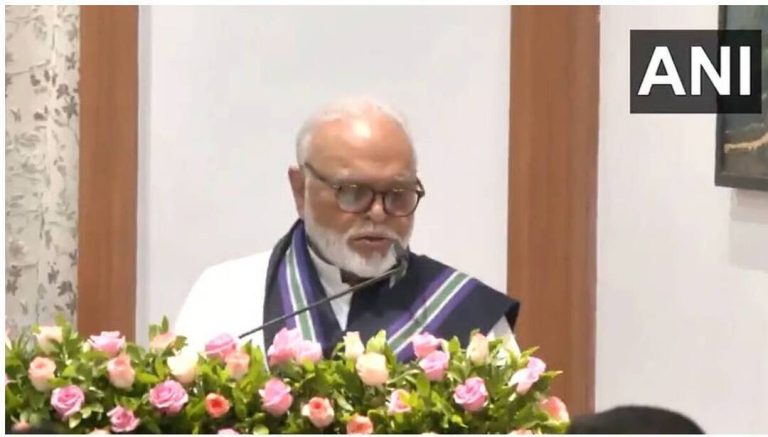
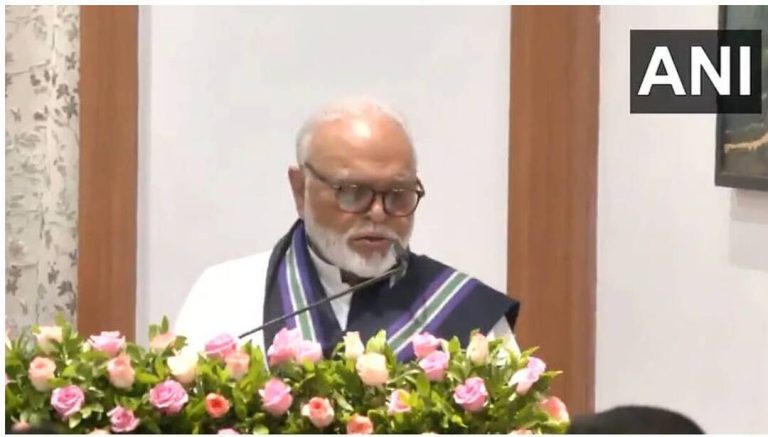
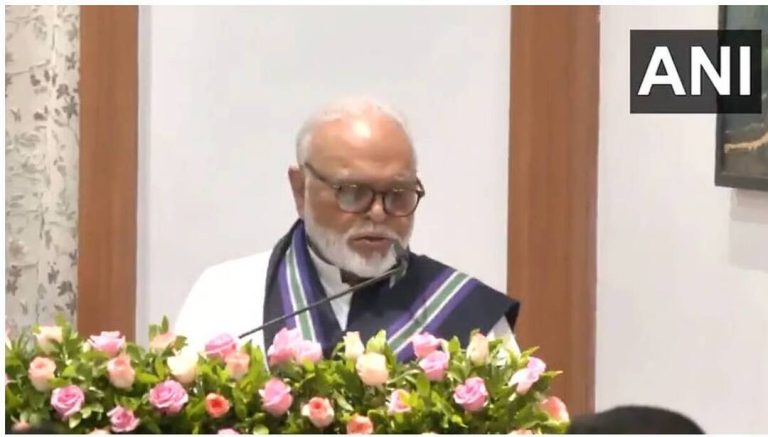
Union Minister Nitin Gadkari has reacted to Gogoi’s statement, acknowledging that the road in question is indeed in a bad state. However, he attributed the poor condition of the road to the recent rains that have caused damage to the infrastructure. Gadkari assured that the road will be restored to its original condition within six months.
While Gadkari’s response is reassuring, it’s essential to note that the issue of bad roads in Assam is not a new one. The state has been struggling with poor road infrastructure for years, and it’s not just a matter of natural disasters like rains causing damage. The lack of investment, maintenance, and planning has contributed significantly to the problem.
The issue of bad roads in Assam is not just a local problem; it has far-reaching consequences for the state’s economy and development. Good road infrastructure is essential for connecting people, businesses, and markets, and it plays a critical role in facilitating economic growth. With poor roads, the state is likely to miss out on investment opportunities, and the local economy will suffer as a result.
Furthermore, the issue of bad roads in Assam is also a matter of public safety. With potholes and uneven surfaces, the roads can be hazardous, especially for two-wheeler riders and pedestrians. The risk of accidents is higher on poorly maintained roads, and it’s the responsibility of the authorities to ensure that the roads are safe for everyone to use.
In conclusion, the issue of bad roads in Assam is a significant concern that needs to be addressed urgently. While Union Minister Nitin Gadkari’s response is reassuring, it’s essential to recognize that the problem is more complex than just attributing it to natural disasters. The state needs a long-term plan to invest in its road infrastructure, and the authorities must ensure that the roads are maintained regularly to prevent damage.
The people of Assam deserve better roads, and it’s the responsibility of the government to provide them with the infrastructure they need to connect with the rest of the country. With good road infrastructure, the state can unlock its economic potential, and the lives of its citizens will be significantly improved.
Source: https://x.com/OfficeOfNG/status/1996489566979817577
About the Author