Gogoi says can’t drive at 130km/h due to bad roads, Gadkari reacts
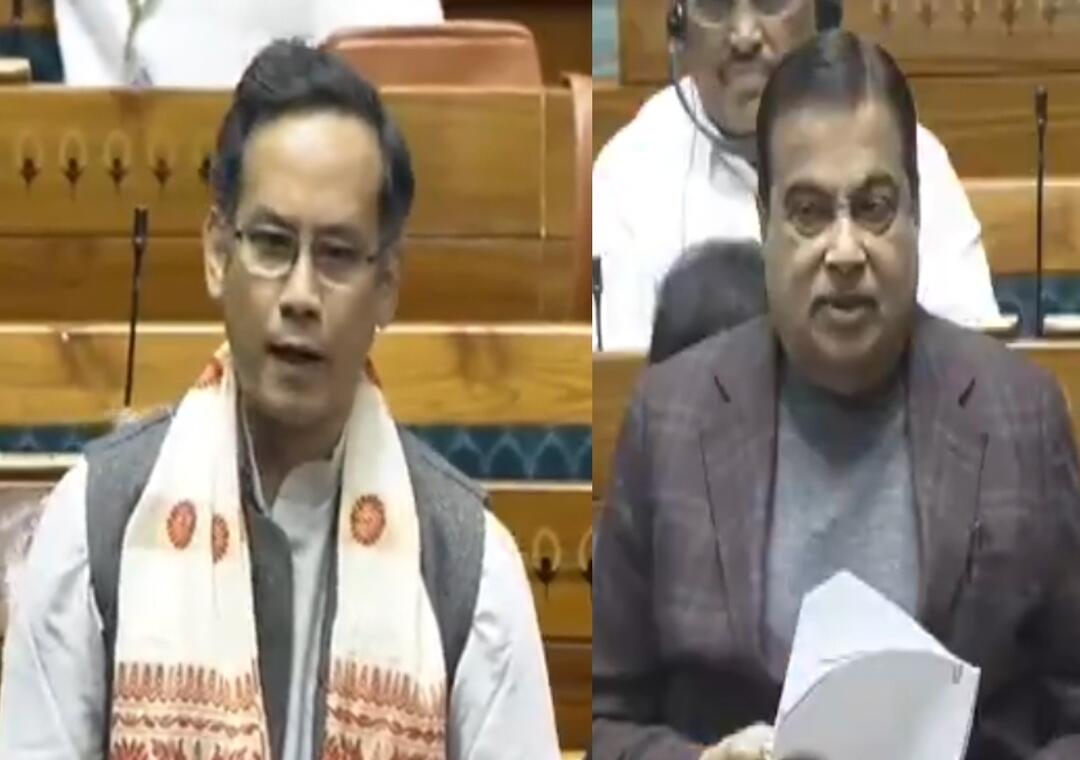
The state of roads in India has been a topic of discussion for a long time, with many citizens complaining about the poor condition of highways and national roads. Recently, Congress leader Gaurav Gogoi highlighted the issue of bad roads in Assam, stating that people are unable to drive at speeds of 100-130km/h due to the poor condition of the roads. He specifically mentioned the National Highway 37 (NH-37) that connects Jorhat to Dibrugarh, which is in a deplorable state.
Gogoi’s comments came as a response to the government’s claims of improving the road infrastructure in the country. He pointed out that despite people paying tolls, they are not getting quality roads in return. This is a valid concern, as tolls are collected from commuters with the promise of providing well-maintained roads. However, in many cases, the roads remain in a poor condition, causing inconvenience and safety hazards for drivers.
The issue of bad roads is not limited to Assam, as many states in India face similar problems. The poor condition of roads can be attributed to various factors, including lack of maintenance, inadequate funding, and the impact of natural disasters such as heavy rainfall. In the case of NH-37, Gogoi mentioned that the road was particularly bad between Jorhat and Dibrugarh, making it difficult for people to travel safely.
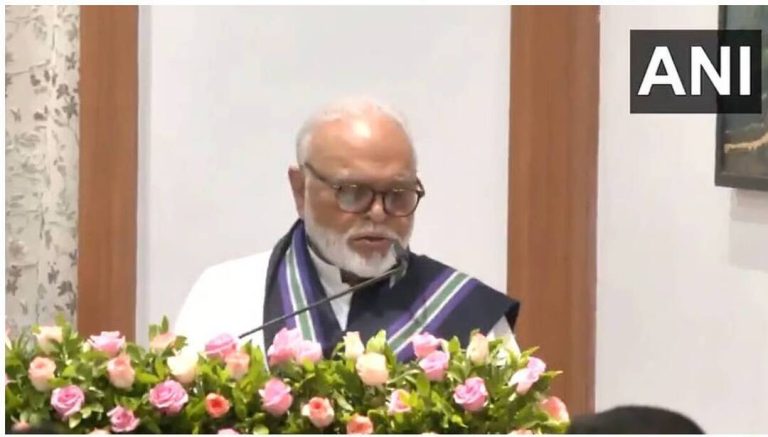
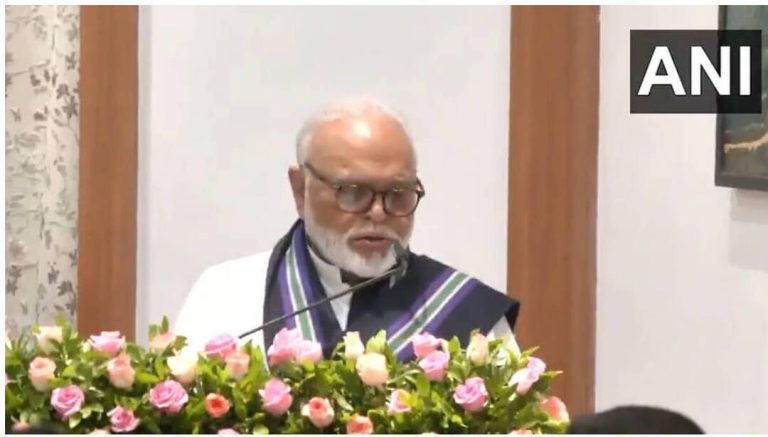
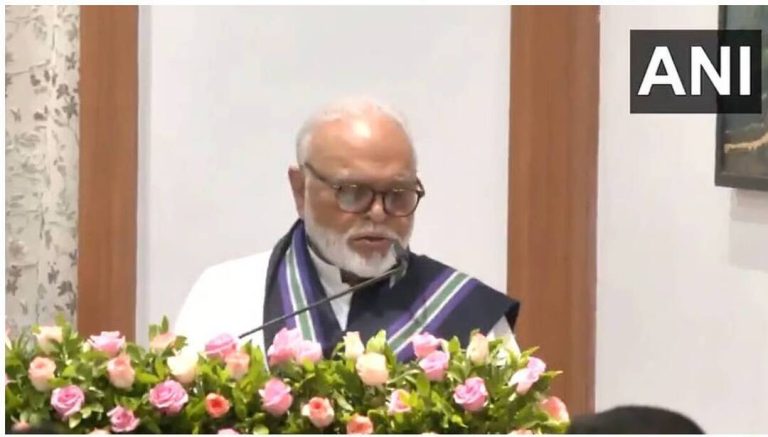
Union Minister Nitin Gadkari, who is in charge of the Ministry of Road Transport and Highways, responded to Gogoi’s comments, acknowledging that the road was indeed in a bad state. However, he attributed the poor condition of the road to the recent rainfall in the region, which had caused damage to the infrastructure. Gadkari assured that the road would be restored to its original condition within six months.
While Gadkari’s response is reassuring, it is essential to address the broader issue of bad roads in India. The government needs to take concrete steps to improve the road infrastructure, including increasing funding for maintenance and repair work. Additionally, the authorities must ensure that tolls collected from commuters are utilized effectively to provide quality roads.
The issue of bad roads is not just a matter of convenience; it also has significant economic implications. Poor road conditions can lead to increased travel times, fuel consumption, and vehicle maintenance costs. Moreover, bad roads can also pose safety risks, as they can contribute to accidents and fatalities.
In recent years, the Indian government has launched several initiatives to improve the road infrastructure, including the Bharatmala Pariyojana, a flagship program aimed at developing a network of highways and roads across the country. While these initiatives are a step in the right direction, more needs to be done to address the issue of bad roads.
Gogoi’s comments and Gadkari’s response highlight the need for greater accountability and transparency in the management of road infrastructure. The government must ensure that the funds allocated for road maintenance and repair are utilized effectively, and that the contractors responsible for building and maintaining the roads are held accountable for their work.
In conclusion, the issue of bad roads in India is a complex problem that requires a multifaceted approach. While the government has taken steps to improve the road infrastructure, more needs to be done to address the concerns of citizens like Gogoi. The authorities must prioritize the maintenance and repair of roads, ensure that tolls are utilized effectively, and provide a safe and convenient travel experience for commuters.
As the government continues to work on improving the road infrastructure, it is essential to keep the citizens informed about the progress and the challenges faced. The media and social media platforms can play a crucial role in highlighting the issues and holding the authorities accountable.
For more information on this story, please visit: https://x.com/OfficeOfNG/status/1996489566979817577
News Source: https://x.com/OfficeOfNG/status/1996489566979817577
About the Author