Gogoi says can’t drive at 130km/h due to bad roads, Gadkari reacts
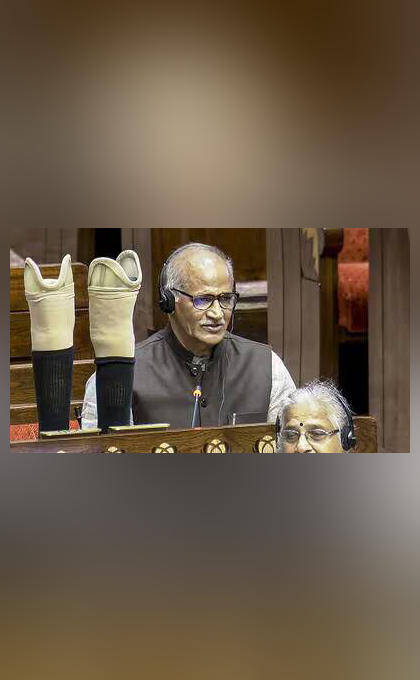
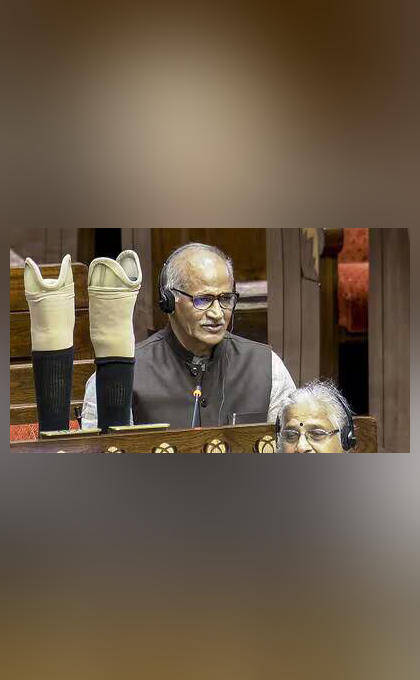
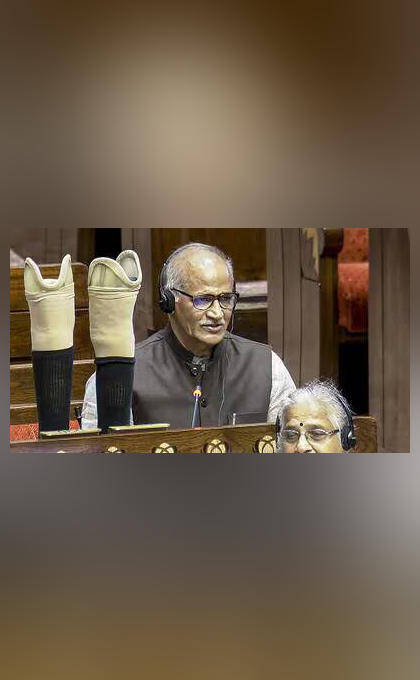
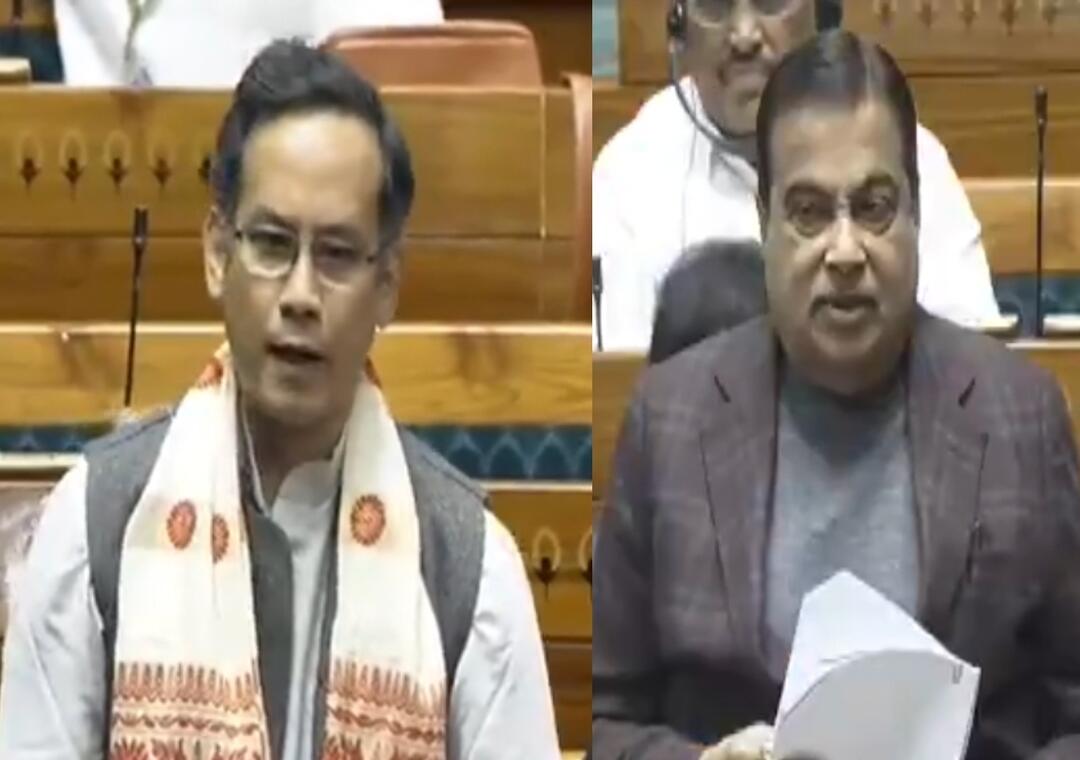
The condition of roads in India has been a topic of discussion for a long time, with many citizens complaining about the poor state of highways and national roads. Recently, Congress leader Gaurav Gogoi highlighted the issue of bad roads in Assam, stating that people are unable to drive at high speeds due to the poor condition of the roads. Gogoi’s statement was in response to the government’s claims of improving the road infrastructure in the country.
According to Gogoi, people are not able to drive at speeds of 100-130km/h in Assam due to the bad condition of the roads. He further stated that despite paying tolls, people are not getting quality roads, which is a major concern. Gogoi specifically mentioned the stretch of NH-37 from Jorhat to Dibrugarh, which is in a particularly bad state. He emphasized that the poor condition of the roads is not only causing inconvenience to commuters but also affecting the overall economy of the region.
Gogoi’s statement was not just a random complaint, but it was based on the reality of the situation. Many people who have traveled on the NH-37 from Jorhat to Dibrugarh can attest to the fact that the road is indeed in a bad state. The road is filled with potholes, and the condition worsens during the rainy season. The poor condition of the road not only causes discomfort to passengers but also leads to accidents and damage to vehicles.
Union Minister Nitin Gadkari, who is in charge of the road transport and highways ministry, responded to Gogoi’s statement. Gadkari acknowledged that Gogoi was right and that the road was damaged after the rains. However, he assured that the road will be fine in six months. Gadkari’s response is a classic example of the government’s approach to the problem of bad roads. While it is good that the minister acknowledged the issue, his response raises more questions than answers.
Firstly, why should people have to wait for six months for the road to be repaired? Is it not the responsibility of the government to ensure that the roads are in good condition at all times? Secondly, what is the point of having a road network if people cannot drive at high speeds due to the poor condition of the roads? The government has been claiming that it is improving the road infrastructure in the country, but statements like these raise doubts about the effectiveness of these efforts.
The issue of bad roads is not limited to Assam or NH-37. It is a nationwide problem that affects people from all walks of life. The poor condition of roads not only causes inconvenience to commuters but also has a significant impact on the economy. According to a report by the World Bank, the poor condition of roads in India costs the economy around 2% of the GDP every year. This is a significant amount, and it highlights the need for the government to take urgent action to improve the condition of the roads.
One of the main reasons for the poor condition of roads in India is the lack of maintenance. Many roads are not properly maintained, which leads to potholes and other damages. The government needs to ensure that roads are regularly maintained and repaired to prevent damages. Additionally, the government needs to invest more in the road infrastructure to improve the condition of the roads.
In conclusion, Gogoi’s statement highlights the issue of bad roads in Assam and the need for the government to take urgent action to improve the condition of the roads. While Gadkari’s response is a step in the right direction, it raises more questions than answers. The government needs to take a more proactive approach to address the issue of bad roads and ensure that people can drive safely and comfortably on the roads. The government’s claims of improving the road infrastructure in the country are not enough; it needs to deliver on its promises and ensure that the roads are in good condition at all times.
The issue of bad roads is not just a matter of convenience; it is a matter of safety and economic growth. The government needs to take the issue seriously and work towards improving the condition of the roads. Only then can we expect to see real growth and development in the country.
Source: https://x.com/OfficeOfNG/status/1996489566979817577
About the Author