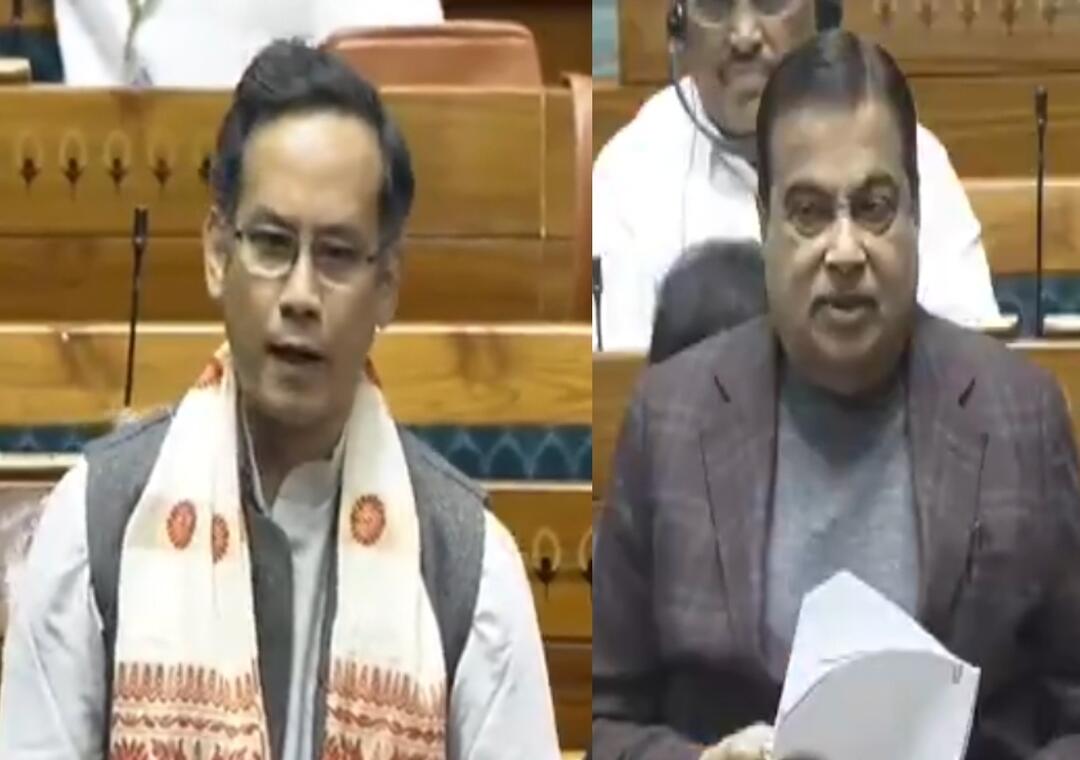
Gogoi says can’t drive at 130km/h due to bad roads, Gadkari reacts
The state of roads in India has been a topic of discussion for a long time, with many citizens complaining about the poor condition of highways and national roads. Recently, Congress leader Gaurav Gogoi highlighted the issue of bad roads in Assam, stating that people are unable to drive at speeds of 100-130km/h due to the poor condition of the roads. Gogoi’s statement sparked a reaction from Union Minister Nitin Gadkari, who acknowledged the issue and promised that the situation would improve in the near future.
Gogoi’s comments came as a response to the growing concern among citizens about the state of roads in Assam, particularly on the National Highway 37 (NH-37) that connects Jorhat to Dibrugarh. “Especially from Jorhat to Dibrugarh, NH-37 is in a bad state,” he added, emphasizing the need for better road infrastructure in the region. The Congress leader also pointed out that people are paying tolls but not getting quality roads in return, which is a major concern for commuters who use these roads regularly.
The issue of bad roads in Assam is not new, and it has been affecting the daily lives of people who rely on these roads for transportation. The poor condition of the roads not only causes inconvenience but also poses a risk to the safety of drivers and passengers. The lack of proper road maintenance and upkeep has led to the formation of potholes, cracks, and other hazards that can cause accidents and damage to vehicles.
Gogoi’s statement was not just a criticism of the current state of roads in Assam, but also a call to action for the authorities to take necessary steps to improve the road infrastructure in the region. The Congress leader’s comments were widely reported in the media, and they sparked a reaction from Union Minister Nitin Gadkari, who is in charge of the Ministry of Road Transport and Highways.
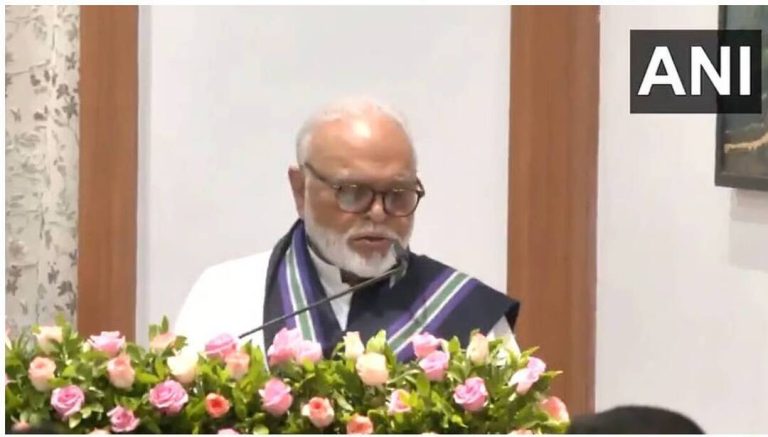
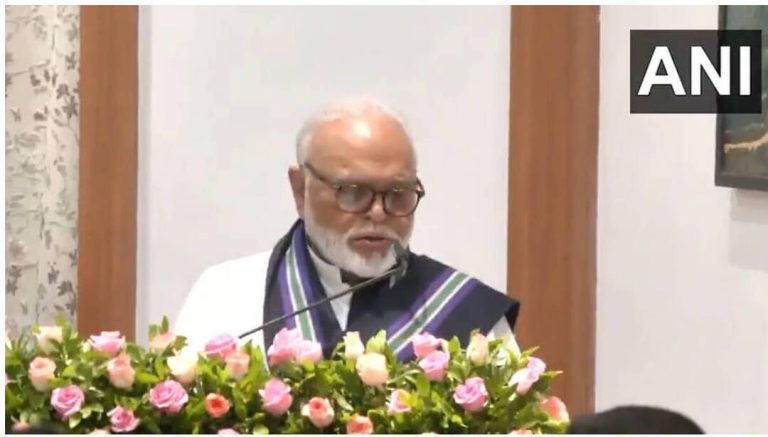
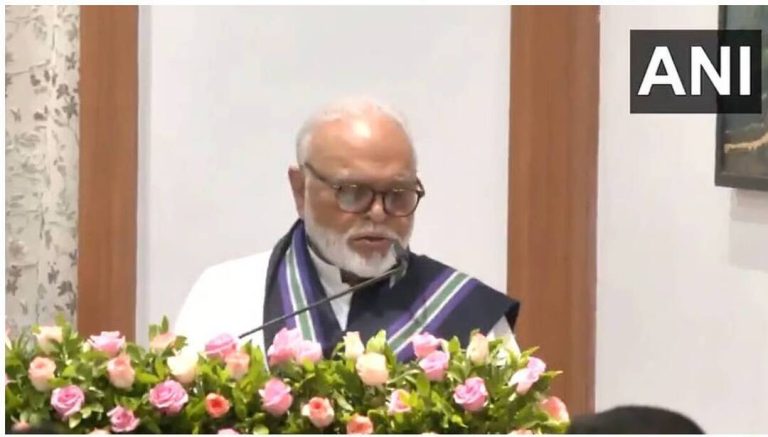
In response to Gogoi’s comments, Gadkari acknowledged that the road in question was indeed in a bad state, but attributed the damage to the recent rains in the region. “The road was damaged after the rains, but it will be fine in six months,” Gadkari said, assuring that the necessary repairs and maintenance work would be carried out to improve the condition of the road.
Gadkari’s response was seen as a positive step towards addressing the issue of bad roads in Assam, and it was welcomed by many citizens who have been affected by the poor condition of the roads. However, some critics argued that the minister’s response was not enough, and that more needs to be done to address the root causes of the problem.
The issue of bad roads in Assam is a complex one, and it requires a comprehensive approach to resolve. It involves not just repairing and maintaining the existing roads, but also building new roads and improving the overall road infrastructure in the region. The authorities need to work together with citizens, experts, and other stakeholders to identify the problems and come up with effective solutions.
In recent years, the government has launched several initiatives to improve the road infrastructure in India, including the construction of new highways and the upgrading of existing roads. However, much more needs to be done to address the issue of bad roads, particularly in regions like Assam where the roads are in a particularly poor state.
As the debate over the state of roads in Assam continues, it is clear that the issue is not just a local problem, but a national one. The poor condition of roads in Assam is reflective of the broader challenges facing India’s road infrastructure, and it requires a coordinated effort to address.
In conclusion, the issue of bad roads in Assam is a serious one that requires immediate attention from the authorities. Gogoi’s statement highlighted the need for better road infrastructure in the region, and Gadkari’s response was a positive step towards addressing the problem. However, more needs to be done to ensure that the roads in Assam are safe, reliable, and efficient for all users.
Source: https://x.com/OfficeOfNG/status/1996489566979817577
About the Author