Gogoi says can’t drive at 130km/h due to bad roads, Gadkari reacts
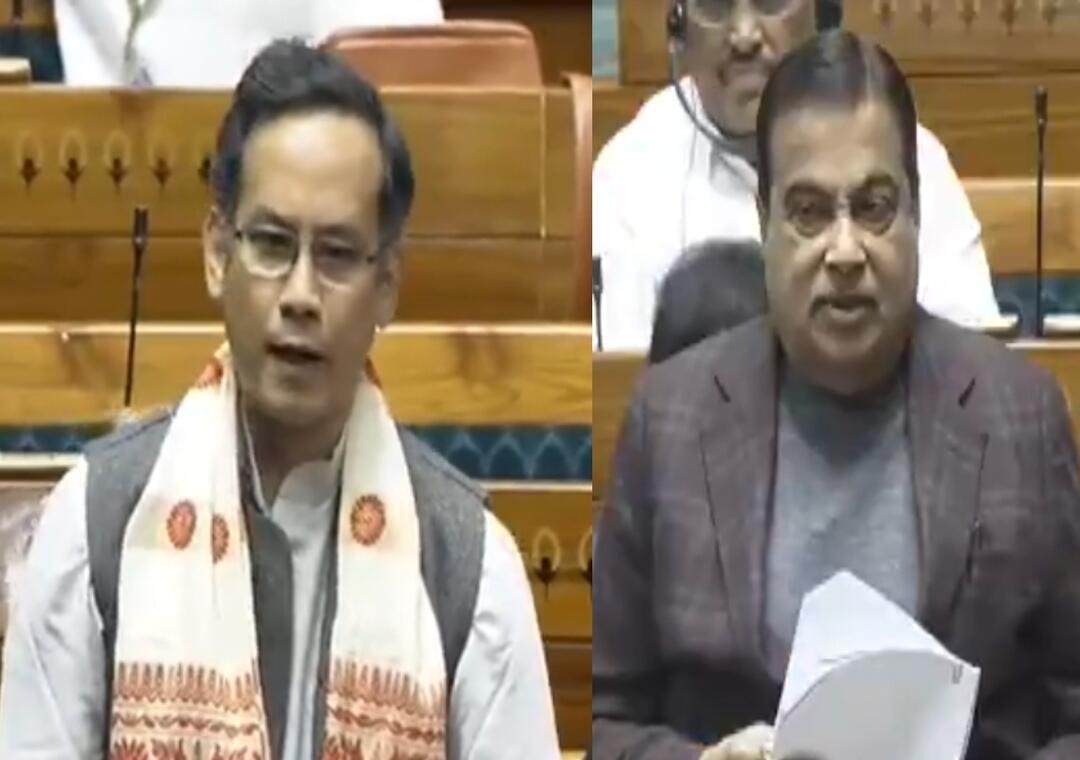
The state of roads in India has been a topic of discussion for a long time, with many citizens complaining about the poor condition of highways and national roads. Recently, Congress leader Gaurav Gogoi brought up this issue, stating that people in Assam are unable to drive at speeds of 100-130km/h due to the bad condition of roads. This statement has sparked a reaction from Union Minister Nitin Gadkari, who acknowledged the issue and promised a solution.
Gogoi’s statement highlighted the poor condition of roads in Assam, particularly on the stretch from Jorhat to Dibrugarh on NH-37. He mentioned that the road is in a bad state, making it difficult for people to drive at high speeds. This is not only a matter of convenience but also a safety concern, as bad roads can lead to accidents and other hazards. Gogoi also pointed out that people are paying tolls but not getting quality roads in return, which is a legitimate concern.
The issue of bad roads is not limited to Assam, as many other states in India are facing similar problems. The condition of national highways and state roads has been a topic of discussion for a long time, with many citizens complaining about the poor maintenance and lack of infrastructure. The government has been working to improve the road network, but it seems that there is still a long way to go.
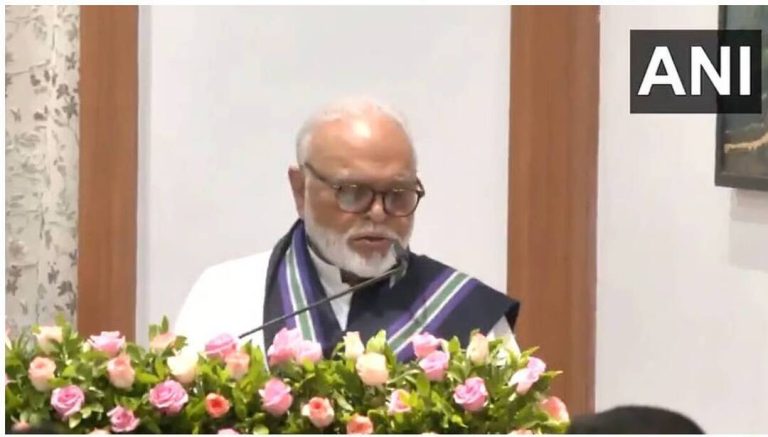
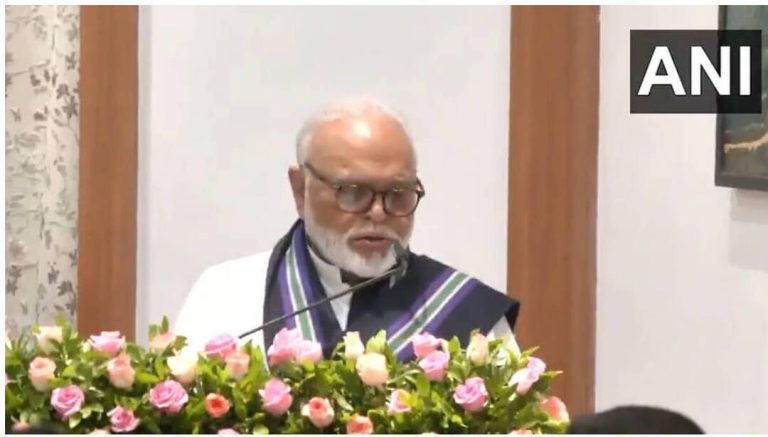
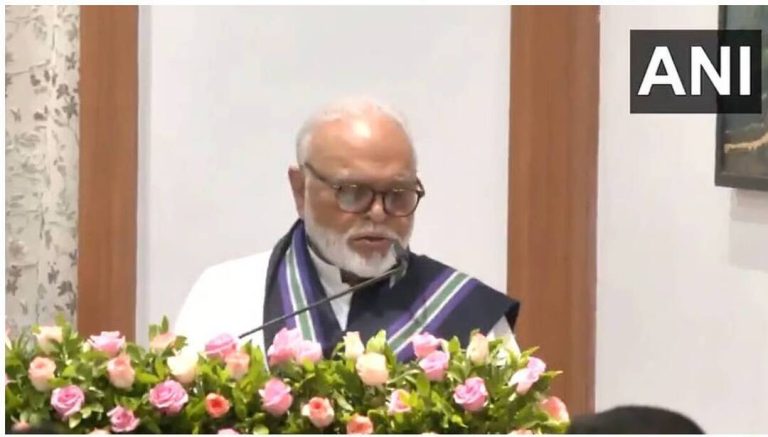
Union Minister Nitin Gadkari reacted to Gogoi’s statement, acknowledging that the road in question was damaged after rains and assuring that it will be fine in six months. This response is a positive step, as it shows that the government is taking notice of the issue and is willing to take action. However, it is important to note that the problem of bad roads is not just limited to one stretch or one state, and a more comprehensive approach is needed to address this issue.
The condition of roads in India is a complex issue, and there are many factors that contribute to it. One of the main reasons is the lack of maintenance and upkeep of roads. Many roads are not properly maintained, which leads to potholes, cracks, and other damage. This can be due to a lack of funding, poor planning, or inadequate infrastructure. Another reason is the increasing traffic and load on roads, which can cause wear and tear.
To address the issue of bad roads, the government needs to take a multi-faceted approach. This includes increasing funding for road maintenance and upkeep, improving planning and infrastructure, and implementing measures to reduce traffic and load on roads. Additionally, the government needs to ensure that citizens are getting quality roads in return for the tolls they pay.
In recent years, the government has launched several initiatives to improve the road network in India. This includes the Bharatmala Pariyojana, a flagship program aimed at developing and improving national highways. The program aims to develop 34,800 kilometers of national highways, including the construction of new roads, bypasses, and bridges. The government has also launched other initiatives, such as the Setu Bharatam program, which aims to replace old and worn-out bridges with new ones.
While these initiatives are a step in the right direction, more needs to be done to address the issue of bad roads. The government needs to ensure that citizens are getting quality roads in return for the tolls they pay, and that the road network is safe and well-maintained. This requires a sustained effort and a commitment to improving the road infrastructure in India.
In conclusion, the issue of bad roads in India is a complex one, and it requires a comprehensive approach to address it. The statement by Gaurav Gogoi and the reaction by Nitin Gadkari highlight the need for improved road infrastructure and maintenance. The government needs to take a multi-faceted approach to address this issue, including increasing funding, improving planning and infrastructure, and implementing measures to reduce traffic and load on roads. By doing so, the government can ensure that citizens are getting quality roads in return for the tolls they pay, and that the road network is safe and well-maintained.
Source: https://x.com/OfficeOfNG/status/1996489566979817577
About the Author