Gangs of Gandhinagar’ misusing agencies: Congress on National Herald row
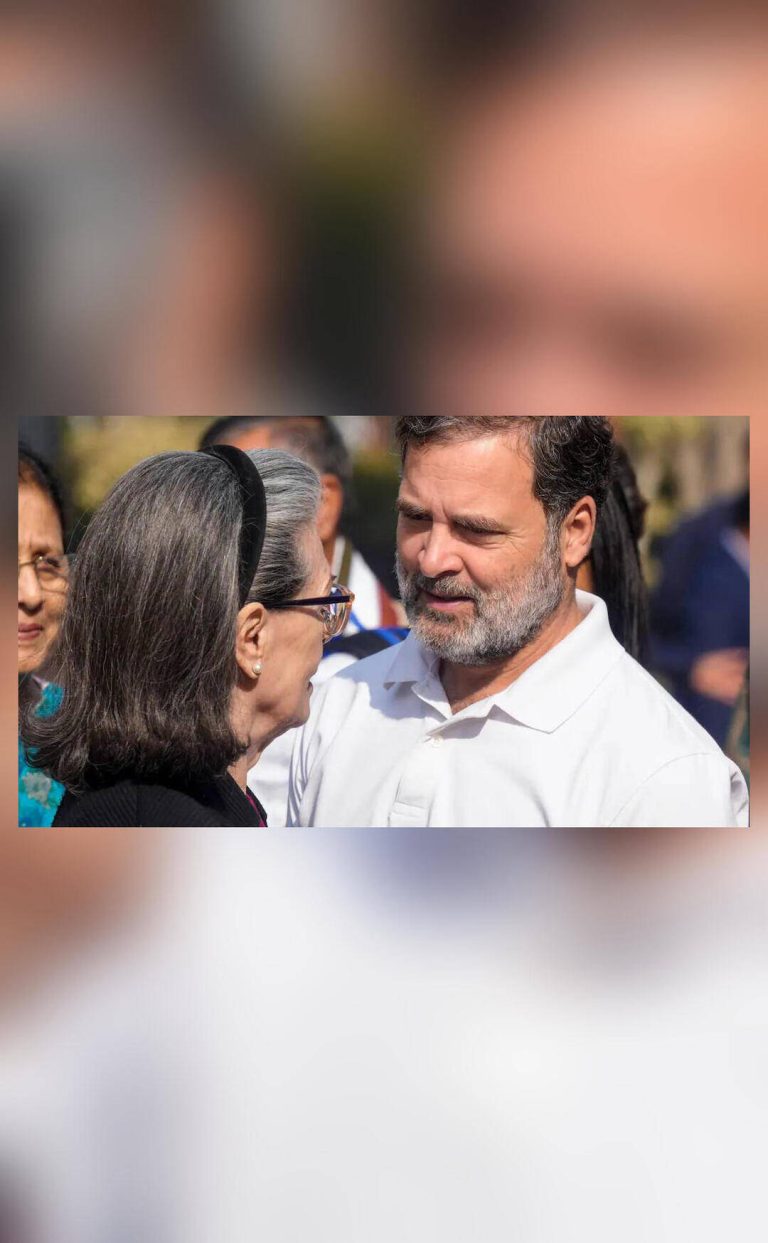
The National Herald case has been a long-standing controversy in Indian politics, with the Congress party and its leadership, including Sonia Gandhi and Rahul Gandhi, at the center of the storm. Recently, a Delhi court refused to take cognisance of the Enforcement Directorate’s (ED) money laundering case against the Gandhis, citing a lack of evidence. This development has sparked a fresh wave of allegations and counter-allegations between the Congress and the ruling Bharatiya Janata Party (BJP).
According to the Congress, the ED’s case against the Gandhis was nothing but a blatant attempt by the Centre to target its leadership. The party has been vocal in its criticism of the government’s alleged misuse of central agencies to harass and intimidate its opponents. In a scathing attack, Congress spokesperson Pawan Khera accused the “gangs of Gandhinagar” of misusing central agencies to settle political scores. The term “gangs of Gandhinagar” is a clear reference to Prime Minister Narendra Modi and Home Minister Amit Shah, who are both from Gujarat and have been instrumental in shaping the BJP’s national agenda.
The National Herald case dates back to 2012, when Subramanian Swamy, a BJP leader, filed a complaint against the Gandhis and others, alleging that they had misappropriated funds meant for the National Herald newspaper. The ED subsequently launched an investigation into the matter, which has been ongoing for several years. However, the Congress has consistently maintained that the case is a politically motivated witch-hunt, aimed at discrediting its leadership and undermining its electoral prospects.
The Congress’s allegations of the Centre’s misuse of central agencies are not new. The party has been making similar accusations for several years, citing instances of the ED, the Central Bureau of Investigation (CBI), and the Income Tax Department being used to target its leaders and allies. The party has also accused the government of using these agencies to intimidate and silence its critics, including journalists, activists, and opposition politicians.
The “gangs of Gandhinagar” comment by Pawan Khera is a clear indication of the Congress’s frustration and anger with the government’s alleged tactics. The party believes that the government is using its agencies to settle personal scores and undermine the opposition, rather than focusing on governance and development. The Congress has also accused the government of compromising the autonomy and independence of these agencies, which is essential for their effective functioning.
The National Herald case has significant implications for Indian politics, particularly in the context of the ongoing tussle between the Congress and the BJP. The case has been seen as a test of the government’s commitment to fighting corruption and ensuring accountability, as well as the opposition’s ability to withstand the government’s alleged onslaught.
The Congress’s allegations of the Centre’s misuse of central agencies have sparked a heated debate about the role of these agencies in Indian democracy. While the government has maintained that it is committed to fighting corruption and ensuring accountability, the opposition has accused it of using these agencies to undermine democracy and silence its critics.
In conclusion, the National Herald case has once again highlighted the deepening divide between the Congress and the BJP, with the opposition party accusing the government of misusing central agencies to target its leadership. The “gangs of Gandhinagar” comment by Pawan Khera is a clear indication of the Congress’s frustration and anger with the government’s alleged tactics. As the case continues to unfold, it remains to be seen how the government and the opposition will navigate this complex and contentious issue.
The Congress’s allegations of the Centre’s misuse of central agencies are a serious concern that warrants a thorough investigation and debate. The autonomy and independence of these agencies are essential for their effective functioning, and any attempt to compromise them undermines the very fabric of Indian democracy. As the country moves forward, it is essential that the government and the opposition work together to ensure that these agencies are used to promote transparency, accountability, and good governance, rather than to settle political scores.
About the Author