Gangs of Gandhinagar’ misusing agencies: Congress on National Herald row
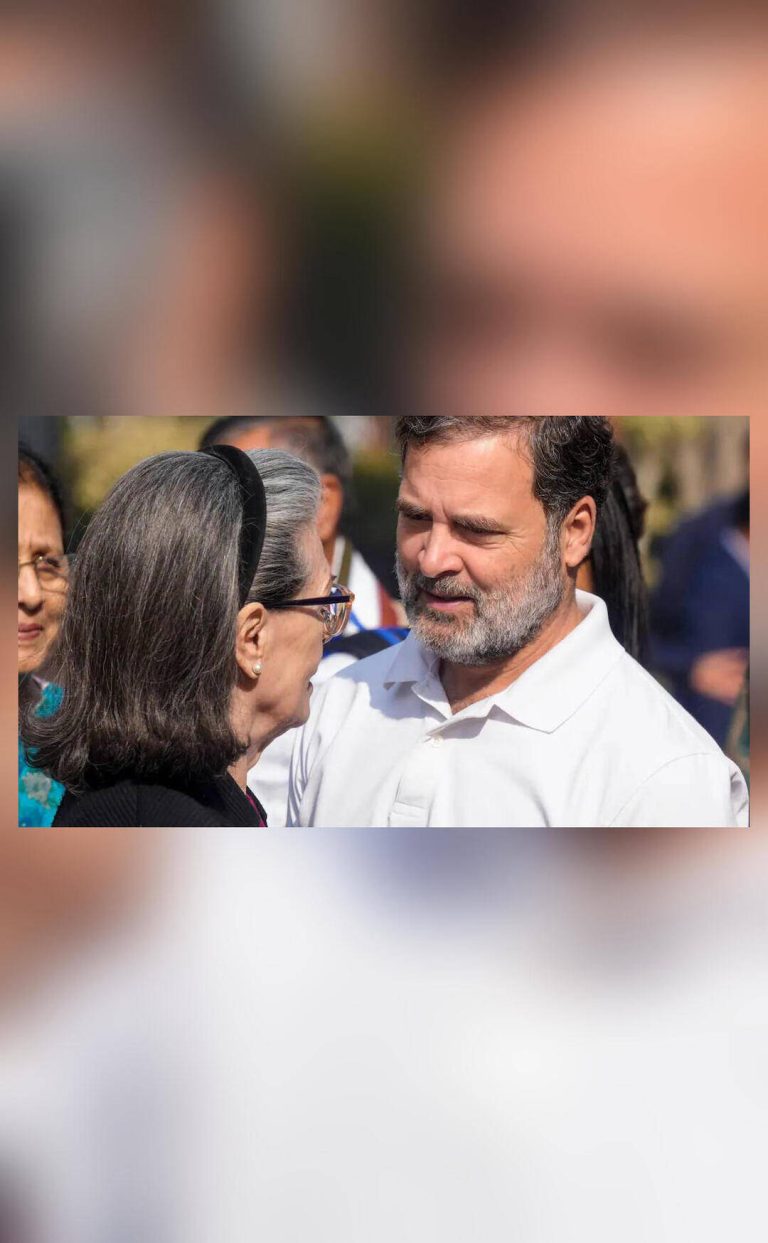
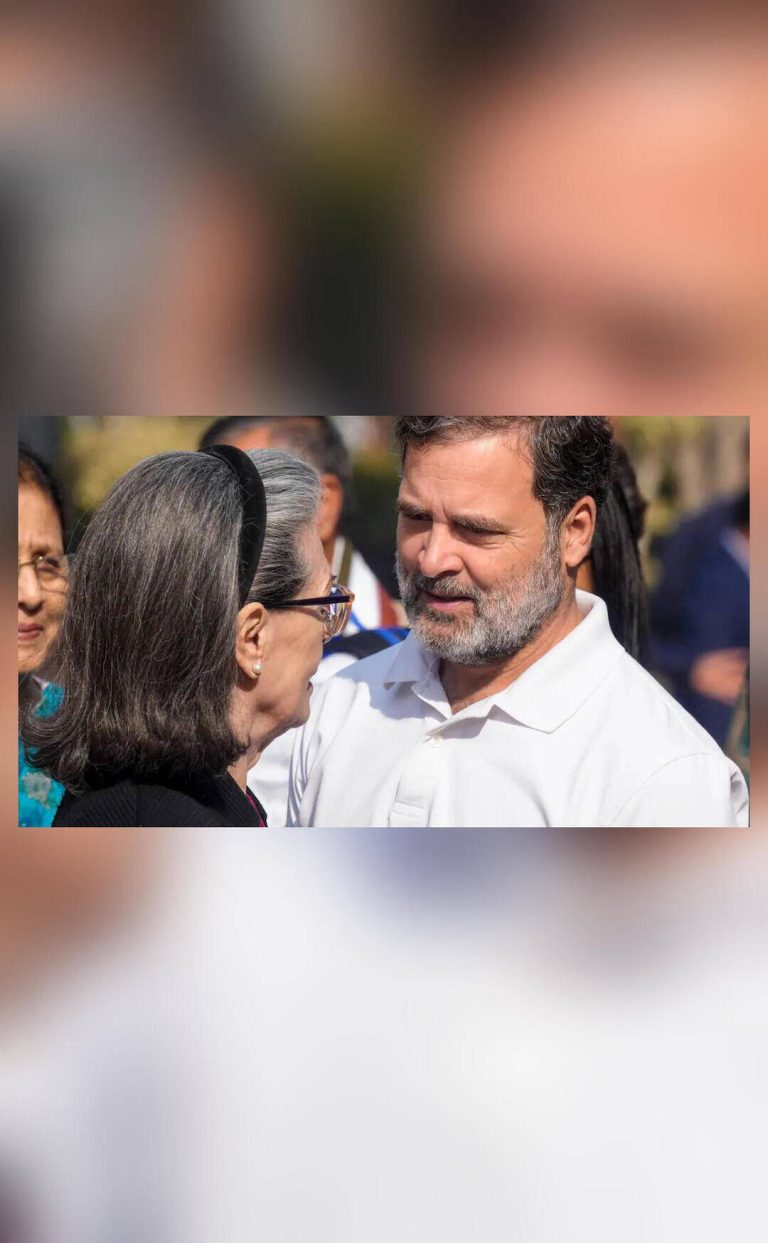
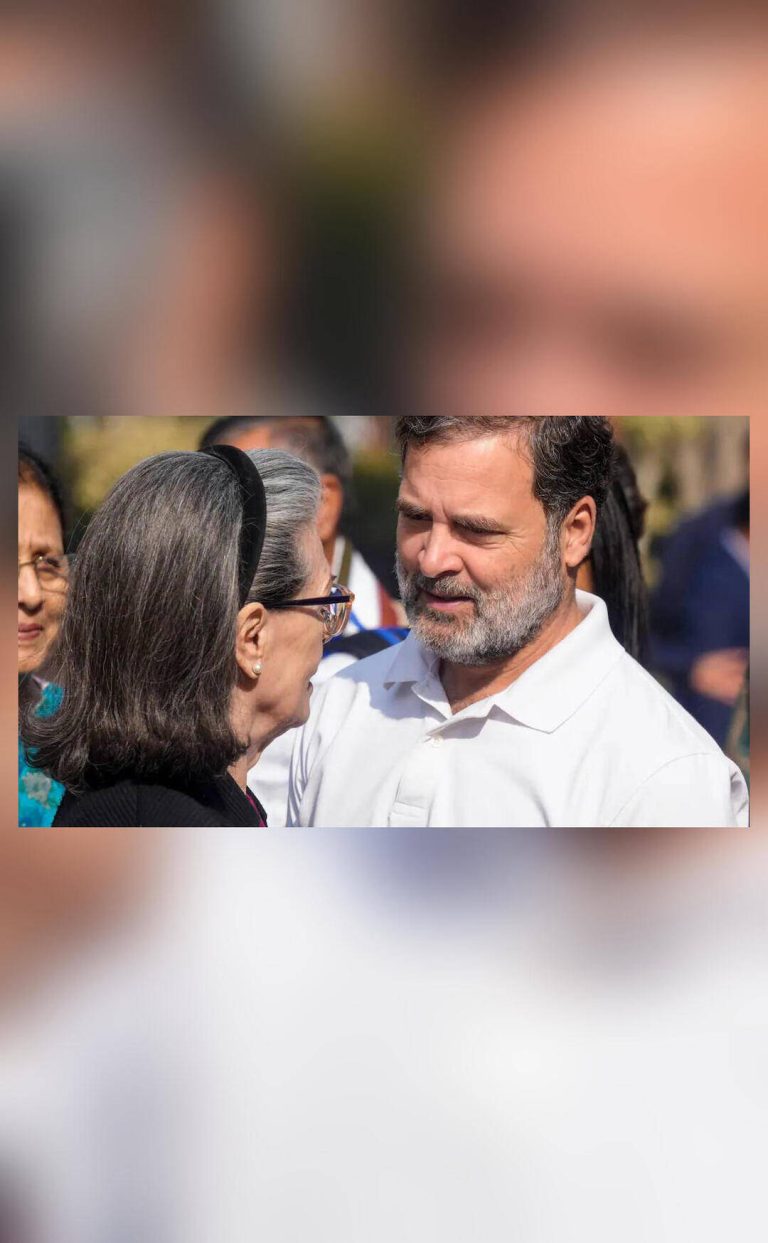
The National Herald case has been a long-standing controversy in Indian politics, with the Congress party and its leadership being at the center of the storm. Recently, a Delhi court refused to take cognisance of the Enforcement Directorate’s (ED) money laundering case against Sonia Gandhi and Rahul Gandhi, dealing a significant blow to the agency’s efforts to pursue the matter. The Congress party has been quick to respond to this development, alleging that the case was a concerted attempt by the Centre to target its leadership.
According to Congress spokesperson Pawan Khera, “The gangs of Gandhinagar’s misuse of central agencies stands exposed today.” The term “Gangs of Gandhinagar” is a reference to Prime Minister Narendra Modi and Home Minister Amit Shah, who are both from Gujarat, with Gandhinagar being the state capital. The Congress party has long accused the Bharatiya Janata Party (BJP) government of misusing central agencies such as the ED, the Central Bureau of Investigation (CBI), and the Income Tax Department to harass and intimidate its leaders.
The National Herald case dates back to 2012, when Subramanian Swamy, a BJP leader, filed a complaint against Sonia Gandhi and Rahul Gandhi, alleging that they had misused party funds to acquire a stake in the National Herald newspaper. The ED subsequently launched an investigation into the matter, which has been ongoing for several years. However, the agency’s efforts to pursue the case have been hindered by the lack of evidence and the court’s refusal to take cognisance of the charges.
The Congress party has consistently maintained that the National Herald case is a politically motivated attempt to target its leadership. The party has accused the BJP government of using central agencies to settle scores with its opponents and to divert attention from its own failures. The party has also pointed out that the ED’s investigation into the National Herald case has been marked by a lack of transparency and fairness, with the agency selectively targeting Congress leaders while ignoring similar allegations against BJP leaders.
The term “Gangs of Gandhinagar” is a significant one, as it suggests that the BJP government is using its power and influence to dictate the actions of central agencies. The Congress party has long accused the BJP of politicizing institutions and using them to further its own interests. The use of this term by Pawan Khera is a clear indication that the Congress party is not going to back down in the face of what it sees as a concerted attempt to harass and intimidate its leaders.
The National Herald case has significant implications for Indian politics, as it raises important questions about the independence and impartiality of central agencies. The case also highlights the ongoing tensions between the Congress party and the BJP, with both parties engaging in a war of words and accusations. As the case continues to unfold, it is likely that the Congress party will continue to accuse the BJP government of misusing central agencies, while the BJP will maintain that it is simply trying to uphold the law and bring those guilty to justice.
In conclusion, the National Herald case is a complex and multifaceted controversy that has significant implications for Indian politics. The Congress party’s allegations that the “Gangs of Gandhinagar” are misusing central agencies are a serious one, and highlight the ongoing tensions between the two parties. As the case continues to unfold, it is likely that the debate will only intensify, with both parties engaging in a war of words and accusations. One thing is certain, however – the National Herald case is a significant test of the independence and impartiality of central agencies, and its outcome will have far-reaching implications for Indian democracy.
The Congress party’s response to the court’s decision is a clear indication that it is not going to back down in the face of what it sees as a concerted attempt to harass and intimidate its leaders. The party is likely to continue to accuse the BJP government of misusing central agencies, and to demand that the government come clean on its role in the National Herald case. As the case continues to unfold, it is likely that the debate will only intensify, with both parties engaging in a war of words and accusations.
The National Herald case is also a significant test of the Indian judiciary, which has been accused of being biased towards the government. The court’s decision to refuse cognisance of the ED’s charges is a significant blow to the agency’s efforts to pursue the case, and highlights the need for greater transparency and accountability in the investigation process. As the case continues to unfold, it is likely that the judiciary will come under increasing scrutiny, with both parties accusing each other of trying to influence the outcome.
In the end, the National Herald case is a complex and multifaceted controversy that has significant implications for Indian politics. The Congress party’s allegations that the “Gangs of Gandhinagar” are misusing central agencies are a serious one, and highlight the ongoing tensions between the two parties. As the case continues to unfold, it is likely that the debate will only intensify, with both parties engaging in a war of words and accusations. One thing is certain, however – the National Herald case is a significant test of the independence and impartiality of central agencies, and its outcome will have far-reaching implications for Indian democracy.
About the Author