ED moves Delhi HC against trial court’s ruling in National Herald case
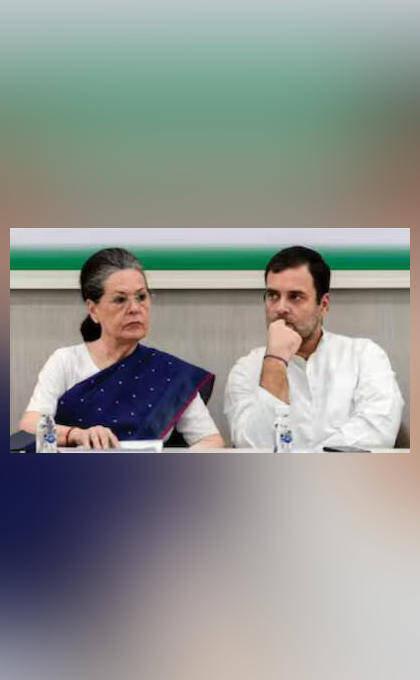
The Enforcement Directorate (ED) has taken a significant step in the ongoing National Herald case by approaching the Delhi High Court to challenge a trial court order. The order in question had declined to take cognisance of the money laundering complaint filed against prominent Congress leaders, including Sonia Gandhi, Rahul Gandhi, and others. This move by the ED comes after allegations surfaced that assets worth over ₹2,000 crore belonging to Associated Journals Limited (AJL) were wrongfully taken over.
The National Herald case has been a subject of intense scrutiny and debate in the Indian political landscape. At its core, the case revolves around the allegations of financial irregularities and money laundering involving the Gandhi family and other Congress leaders. The Enforcement Directorate’s decision to challenge the trial court’s ruling in the Delhi High Court signifies the agency’s commitment to pursuing the matter further and ensuring that those responsible for any wrongdoing are held accountable.
To understand the context and implications of this development, it is essential to delve into the background of the National Herald case. The case began to unfold several years ago when it was alleged that Sonia Gandhi and Rahul Gandhi, along with other Congress leaders, had misused their positions to acquire valuable assets and properties belonging to Associated Journals Limited (AJL). AJL is the company that published the National Herald newspaper, which was closely associated with the Indian National Congress.
The allegations against the Gandhi family and other Congress leaders suggest that they used a private company, Young Indian, to take over the assets of AJL, which were valued at over ₹2,000 crore. It was claimed that this takeover was done in a manner that was not transparent and involved financial irregularities, including the alleged laundering of money. The Enforcement Directorate, which is responsible for investigating financial crimes, took notice of these allegations and initiated an investigation into the matter.
The investigation by the ED led to the filing of a money laundering complaint against Sonia Gandhi, Rahul Gandhi, and other Congress leaders. However, in a significant setback for the ED, a trial court declined to take cognisance of the complaint. This decision by the trial court effectively meant that the court did not find sufficient grounds to proceed with the case against the accused.
The ED’s decision to challenge the trial court’s ruling in the Delhi High Court is a clear indication that the agency believes there is substantial evidence to support the allegations of money laundering and financial irregularities. By moving the High Court, the ED aims to have the trial court’s order set aside and to pave the way for further proceedings in the case.
The implications of this development are significant, not just for the Gandhi family and the Congress party, but also for the broader political landscape in India. The National Herald case has been seen as a test of the government’s commitment to fighting corruption and ensuring accountability among the political elite. The ED’s persistence in pursuing the case, despite the initial setback in the trial court, suggests that the agency is determined to uncover the truth and to bring those responsible for any wrongdoing to justice.
As the case moves to the Delhi High Court, it is likely to attract even more attention and scrutiny. The High Court’s decision will be closely watched, not just by the parties involved, but also by the wider public. The outcome of the case has the potential to impact the political fortunes of the Congress party and its leaders, and it may also have broader implications for the fight against corruption in India.
In conclusion, the Enforcement Directorate’s move to challenge the trial court’s ruling in the Delhi High Court marks a significant development in the National Herald case. The case has far-reaching implications for the Gandhi family, the Congress party, and the broader political landscape in India. As the case progresses, it will be essential to follow the developments closely and to ensure that the legal process is allowed to run its course without any undue influence or interference.
For more information on this story, please visit: https://www.news18.com/amp/india/national-herald-case-ed-moves-delhi-hc-against-sonia-rahul-gandhi-challenging-trial-courts-ruling-ws-l-9781548.html
About the Author