ED moves Delhi HC against trial court’s ruling in National Herald case
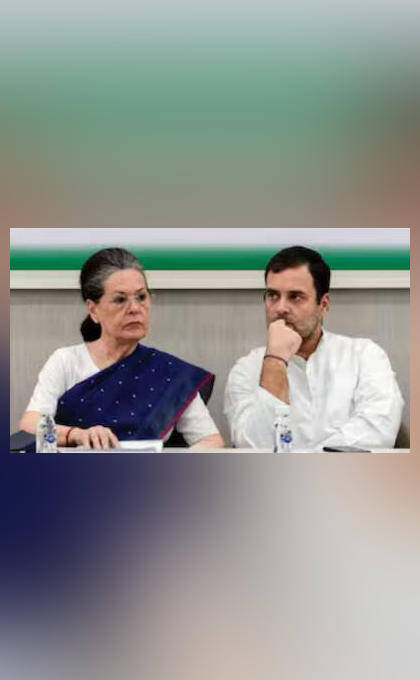
The Enforcement Directorate (ED) has taken a significant step in the ongoing National Herald case by approaching the Delhi High Court to challenge a trial court order. The order in question had declined to take cognisance of the money laundering complaint filed against prominent Congress leaders, including Sonia Gandhi, Rahul Gandhi, and others. This move by the ED is a clear indication of its determination to pursue the allegations of wrongdoing in the acquisition and management of assets related to the National Herald newspaper.
At the heart of the controversy are allegations that assets worth over ₹2,000 crore belonging to Associated Journals Limited (AJL), the company that publishes the National Herald, were wrongfully taken over. The ED’s case hinges on the premise that these assets were acquired through illegal means, specifically through money laundering. The agency has been investigating this matter for several years, gathering evidence and building a case against the accused individuals.
The trial court’s decision not to take cognisance of the ED’s complaint was seen as a significant setback for the agency. However, by challenging this ruling in the Delhi High Court, the ED is seeking a higher judicial review of the matter. This appeal underscores the ED’s conviction in the strength of its case and its commitment to ensuring that those accused of financial impropriety are held accountable.
The National Herald case is complex and involves a web of financial transactions and corporate dealings. At its core, it revolves around the transfer of assets from AJL to a company called Young Indian Private Limited, in which Sonia Gandhi and Rahul Gandhi have significant stakes. The ED alleges that this transfer was effected through a series of questionable transactions, ultimately leading to the wrongful acquisition of valuable properties and assets initially owned by AJL.
The legal battle in the National Herald case has been ongoing for years, with the ED conducting raids, attaching properties, and interrogating individuals connected to the case. The agency’s actions have been met with resistance from the accused, who have maintained their innocence and accused the ED of political vendetta.
The political undertones of the case cannot be overlooked. The National Herald case has been a point of contention between the ruling Bharatiya Janata Party (BJP) and the opposition Congress party. The BJP has consistently raised the issue as an example of alleged corruption within the Congress, while the Congress has countered that the case is an attempt to harass its leaders.
As the case now moves to the Delhi High Court, all eyes will be on the judicial proceedings. The High Court’s decision will be crucial, as it will determine whether the ED’s complaint has merit and should be allowed to proceed. If the High Court rules in favour of the ED, it could lead to significant legal consequences for the accused, including potential trials and penalties.
In contrast, if the High Court upholds the trial court’s order, it would be a major setback for the ED and could be perceived as a victory for the Congress leaders involved. Either way, the outcome of this legal challenge will have implications that extend beyond the immediate parties involved, reflecting on the broader landscape of political and financial accountability in India.
The Enforcement Directorate’s move to challenge the trial court’s ruling in the Delhi High Court is a significant development in the National Herald case. As the legal process unfolds, it will be important to watch how the case progresses and what implications it may have for the individuals and entities involved. The pursuit of transparency and accountability in financial dealings, especially those involving public figures and political leaders, is essential for maintaining public trust and ensuring the integrity of the legal system.
In conclusion, the ED’s decision to appeal the trial court’s order in the National Herald case is a testament to its commitment to investigating and prosecuting allegations of financial wrongdoing. The case’s progression through the Delhi High Court will be closely watched, given its potential to shed light on the financial dealings of prominent political leaders and the application of money laundering laws in India.
About the Author