ED moves Delhi HC against trial court’s ruling in National Herald case
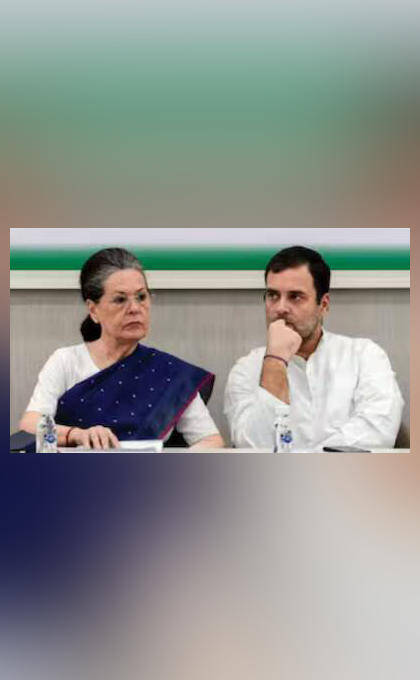
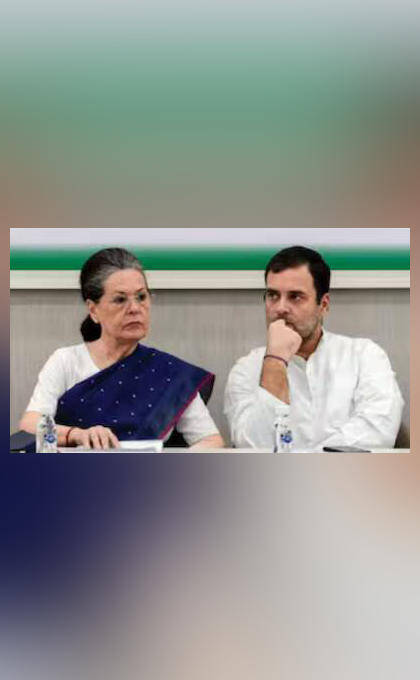
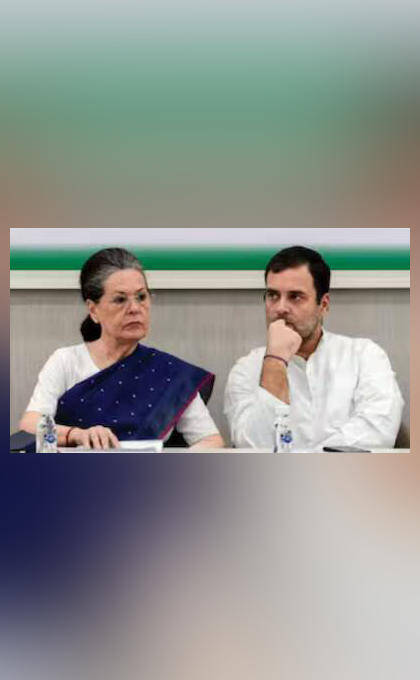
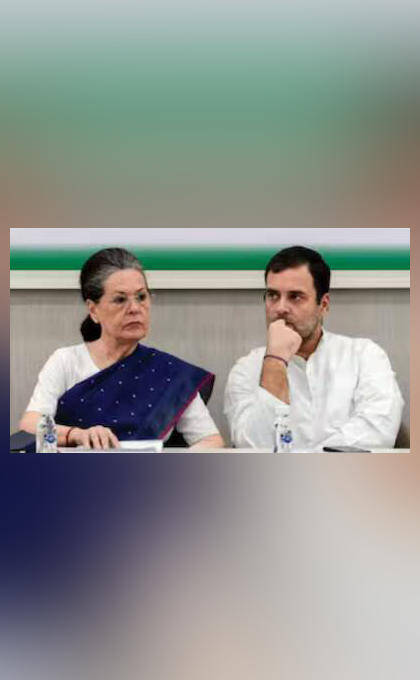
The Enforcement Directorate (ED) has taken a significant step in the National Herald case by approaching the Delhi High Court, challenging the trial court order that declined to take cognisance of the money laundering complaint against Congress leaders Sonia Gandhi, Rahul Gandhi, and others. This move by the ED is seen as a major development in the case, which has been ongoing for several years. The case revolves around the alleged wrongful takeover of assets worth over ₹2,000 crore belonging to Associated Journals Limited (AJL), a company that was originally founded by Jawaharlal Nehru in 1937.
The National Herald case has been a subject of controversy for many years, with allegations of financial irregularities and money laundering being levelled against the Gandhi family and other Congress leaders. The ED had filed a complaint under the Prevention of Money Laundering Act (PMLA) against Sonia Gandhi, Rahul Gandhi, and others, alleging that they had laundered money to acquire assets worth over ₹2,000 crore belonging to AJL. However, the trial court had declined to take cognisance of the complaint, citing lack of evidence and other technical grounds.
The ED has now challenged the trial court’s order in the Delhi High Court, arguing that the court had erred in its decision and that there was sufficient evidence to proceed with the case. The ED has also alleged that the trial court had failed to consider the evidence presented by the agency and had ignored the fact that the accused had not cooperated with the investigation.
The National Herald case has its roots in the 1930s, when Jawaharlal Nehru founded the Associated Journals Limited (AJL) to publish the National Herald newspaper. The newspaper was a prominent publication in pre-independent India and was known for its nationalist and socialist leanings. After Nehru’s death, the newspaper continued to be published, but it eventually ceased publication in 2008 due to financial difficulties.
In 2010, the AJL was taken over by a new company called Young Indian Private Limited, which was founded by Sonia Gandhi and Rahul Gandhi. The company had a paid-up capital of just ₹5 lakh, but it took over the assets of the AJL, which were valued at over ₹2,000 crore. The ED has alleged that this takeover was a sham transaction and that the assets of the AJL were wrongfully acquired by Young Indian Private Limited.
The ED has also alleged that the Gandhi family and other Congress leaders had used the National Herald case to launder money and acquire assets worth hundreds of crores of rupees. The agency has claimed that the accused had used a complex web of transactions and shell companies to launder the money and acquire the assets.
The National Herald case has been a major embarrassment for the Congress party and the Gandhi family, who have denied all allegations of wrongdoing. The case has also been a major talking point in Indian politics, with the opposition parties using it to attack the Congress party and the Gandhi family.
The ED’s move to challenge the trial court’s order in the Delhi High Court is seen as a significant development in the case. The agency’s decision to appeal the order is likely to prolong the case and keep it in the public eye for many more months. The case is likely to have major implications for the Congress party and the Gandhi family, who are already facing several other cases and investigations.
In conclusion, the ED’s move to challenge the trial court’s order in the Delhi High Court is a significant development in the National Herald case. The case has been ongoing for several years and has been a major subject of controversy. The ED’s decision to appeal the order is likely to prolong the case and keep it in the public eye for many more months. The case has major implications for the Congress party and the Gandhi family, who are already facing several other cases and investigations.
About the Author