ED moves Delhi HC against trial court’s ruling in National Herald case
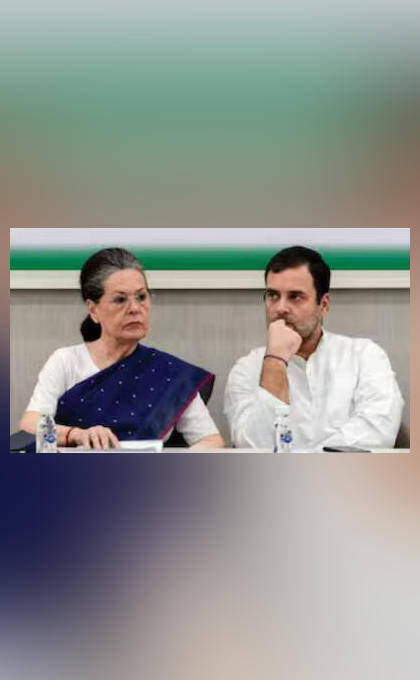
The Enforcement Directorate (ED) has taken a significant step in the National Herald case, approaching the Delhi High Court to challenge the trial court’s order that declined to take cognisance of the money laundering complaint against top Congress leaders, including Sonia Gandhi, Rahul Gandhi, and others. This move by the ED is aimed at seeking justice and ensuring that the accused are held accountable for their alleged wrongdoing.
The National Herald case has been a long-standing one, with allegations of wrongdoing and corruption surrounding the acquisition of assets worth over ₹2,000 crore belonging to Associated Journals Limited (AJL). It is alleged that these assets were wrongfully taken over, with the accused using their positions of power and influence to further their own interests. The ED’s investigation into the matter has been ongoing, and the agency has been working tirelessly to gather evidence and build a strong case against the accused.
The trial court’s order declining to take cognisance of the money laundering complaint was a setback for the ED, but the agency has not given up. By approaching the Delhi High Court, the ED is seeking to overturn the trial court’s decision and ensure that the accused are brought to justice. The ED’s move is a clear indication that the agency is committed to pursuing the case and holding the accused accountable for their actions.
The National Herald case has significant implications, not just for the accused individuals but also for the country as a whole. The case highlights the need for transparency and accountability in governance, and the importance of ensuring that those in positions of power are held to the highest standards of integrity. The ED’s investigation and the subsequent court proceedings will be closely watched, as they have the potential to set a precedent for future cases of corruption and wrongdoing.
The ED’s challenge to the trial court’s order is based on the agency’s contention that the court erred in its decision. The ED argues that the court failed to consider the evidence presented by the agency, and that the order was passed without properly evaluating the merits of the case. The ED is seeking to have the order set aside, and for the High Court to direct the trial court to reconsider the matter.
The accused in the National Herald case have consistently denied any wrongdoing, and have maintained that the allegations against them are baseless and politically motivated. However, the ED’s investigation has uncovered significant evidence of wrongdoing, including documents and witness statements that suggest a complex web of transactions and dealings.
The National Herald case is a complex one, involving multiple parties and transactions. At its core, the case revolves around the acquisition of AJL, a company that was founded by Jawaharlal Nehru in 1937. AJL was the publisher of the National Herald newspaper, which was a prominent publication in India. However, the company fell on hard times, and in 2010, it was acquired by a company called Young Indian Private Limited (YI).
The acquisition of AJL by YI is at the heart of the National Herald case. It is alleged that YI, which was controlled by Sonia Gandhi and Rahul Gandhi, acquired AJL’s assets worth over ₹2,000 crore for a mere ₹50 lakh. This transaction has been questioned by the ED, which alleges that it was a sham deal designed to benefit the accused individuals.
The ED’s investigation into the National Herald case has been ongoing for several years, and the agency has gathered significant evidence of wrongdoing. The agency has questioned several witnesses, including former employees of AJL and YI, and has seized documents and records related to the transactions.
The National Herald case has significant implications for Indian politics, and the outcome of the case will be closely watched. The case has the potential to damage the reputation of the Congress party, and could have significant consequences for the party’s leadership. The case also highlights the need for greater transparency and accountability in governance, and the importance of ensuring that those in positions of power are held to the highest standards of integrity.
In conclusion, the ED’s move to challenge the trial court’s order in the National Herald case is a significant development in the ongoing saga. The case has the potential to set a precedent for future cases of corruption and wrongdoing, and the outcome will be closely watched. The ED’s commitment to pursuing the case and holding the accused accountable for their actions is a positive step, and one that will help to ensure that justice is served.
About the Author