ED moves Delhi HC against trial court’s ruling in National Herald case
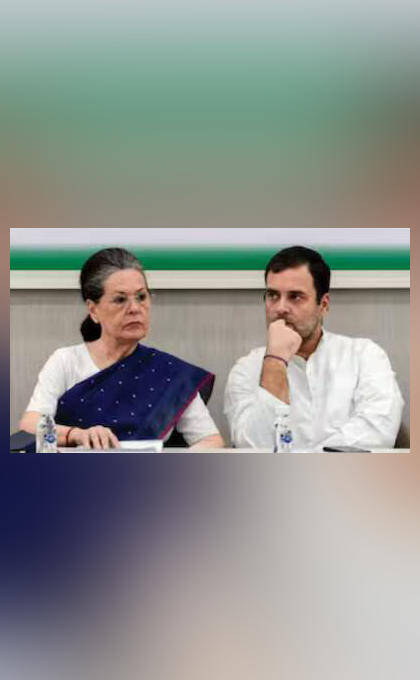
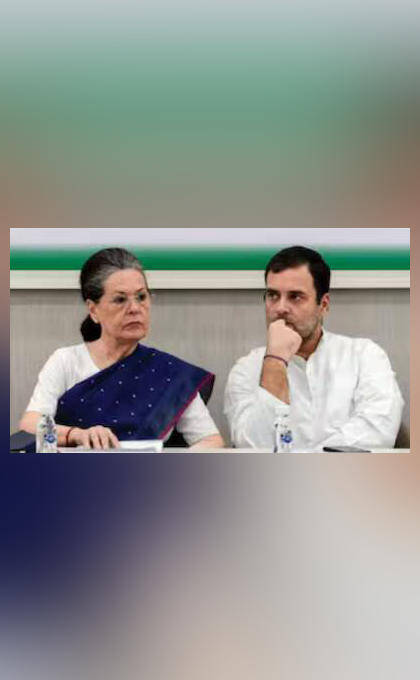
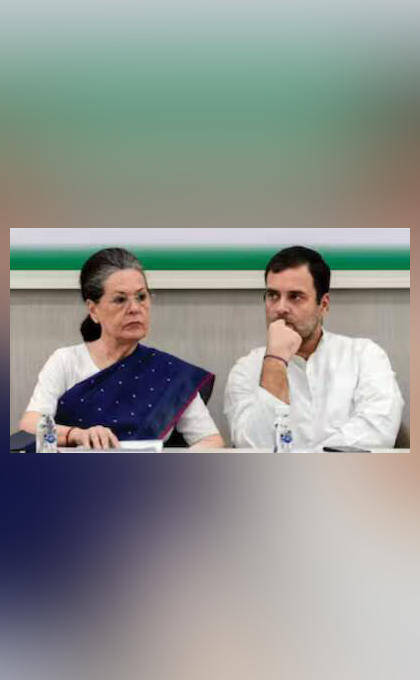
The Enforcement Directorate (ED) has approached the Delhi High Court, challenging the trial court order that declined to take cognisance of the money laundering complaint against Congress leaders Sonia Gandhi, Rahul Gandhi, and others in the National Herald case. This move by the ED is a significant development in the long-standing case, which has been a subject of controversy and political debate for several years. In this blog post, we will delve into the details of the case, the allegations made against the Congress leaders, and the implications of the ED’s decision to challenge the trial court’s ruling.
The National Herald case revolves around the alleged irregularities in the acquisition of assets worth over ₹2,000 crore belonging to Associated Journals Limited (AJL), a company that was founded by Jawaharlal Nehru in 1937. The company published the National Herald newspaper, which was a prominent English-language daily in India. However, the newspaper ceased operations in 2008 due to financial difficulties.
The allegations made against the Congress leaders, including Sonia Gandhi and Rahul Gandhi, are that they wrongfully took over the assets of AJL, which were valued at over ₹2,000 crore, by setting up a new company called Young Indian Private Limited (YIPL). It is alleged that YIPL was set up with the intention of acquiring the assets of AJL, and that the Congress leaders used their influence and power to facilitate this acquisition.
The ED’s investigation into the case began in 2014, after a complaint was filed by Subramanian Swamy, a Bharatiya Janata Party (BJP) leader. The complaint alleged that the Congress leaders had engaged in money laundering and other financial irregularities in the acquisition of AJL’s assets. The ED’s investigation has been ongoing since then, and the agency has been collecting evidence and questioning witnesses in connection with the case.
The trial court’s ruling, which was challenged by the ED, had declined to take cognisance of the money laundering complaint against the Congress leaders. The court had held that there was not enough evidence to proceed with the case, and that the allegations made against the Congress leaders were not substantiated. However, the ED has disagreed with this ruling, and has argued that there is sufficient evidence to proceed with the case.
The ED’s decision to challenge the trial court’s ruling is a significant development in the case, and it is likely to have implications for the Congress leaders who are accused in the case. If the Delhi High Court upholds the ED’s appeal, it could lead to the reopening of the case, and the Congress leaders could face further investigation and potential prosecution.
The National Herald case has been a subject of controversy and political debate for several years, with the BJP and other opposition parties accusing the Congress of engaging in corrupt practices and financial irregularities. The case has also been seen as a symbol of the larger issue of corruption and crony capitalism in India, and the need for greater transparency and accountability in the country’s political and economic systems.
In conclusion, the ED’s decision to challenge the trial court’s ruling in the National Herald case is a significant development in the long-standing case. The case has been a subject of controversy and political debate for several years, and it is likely to continue to be a major issue in Indian politics in the coming months and years. As the case proceeds, it will be important to watch for further developments and to see how the Delhi High Court rules on the ED’s appeal.
The National Herald case is a complex and multifaceted one, and it involves a range of legal, financial, and political issues. As the case proceeds, it will be important to consider these issues in detail, and to examine the evidence and arguments presented by both the ED and the Congress leaders. Ultimately, the outcome of the case will depend on the verdict of the Delhi High Court, and it is likely to have significant implications for the Congress leaders and the larger issue of corruption and crony capitalism in India.
About the Author