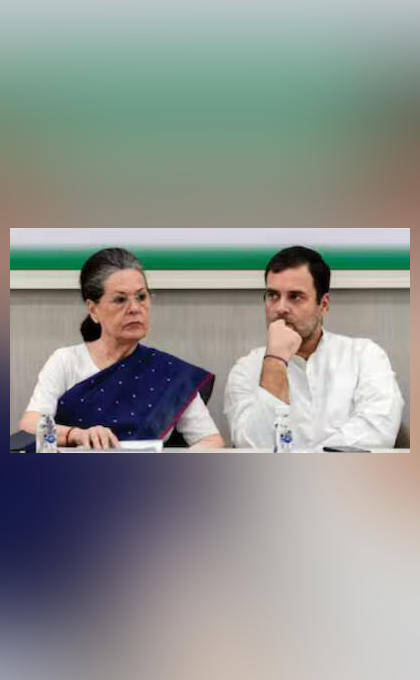
ED moves Delhi HC against trial court’s ruling in National Herald case
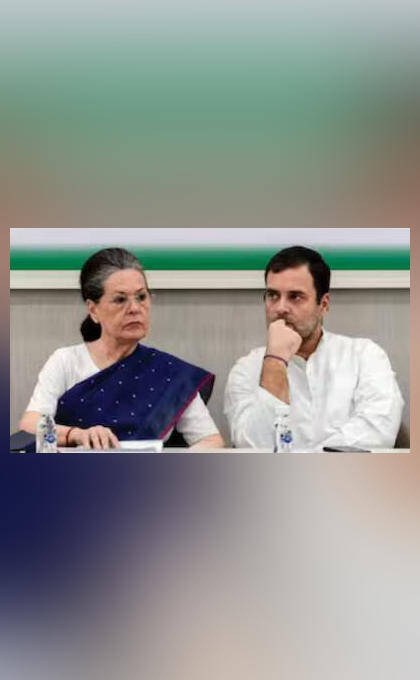
The Enforcement Directorate (ED) has taken a significant step in the National Herald case by approaching the Delhi High Court, challenging the trial court order that declined to take cognisance of the money laundering complaint against Congress leaders Sonia Gandhi, Rahul Gandhi, and others. This move comes after the trial court’s ruling, which has been perceived as a setback for the ED in its investigation into the alleged money laundering and misappropriation of assets worth over ₹2,000 crore belonging to Associated Journals Limited (AJL).
The National Herald case has been a long-standing controversy, with allegations of wrongfully taking over assets and misusing funds. The ED’s investigation has been ongoing, and the agency has been gathering evidence to build a strong case against the accused. However, the trial court’s order declining to take cognisance of the complaint has hindered the progress of the investigation. By challenging this order in the Delhi High Court, the ED is seeking to revive its case and ensure that those responsible for the alleged wrongdoing are held accountable.
At the heart of the National Herald case is the accusation that assets worth over ₹2,000 crore belonging to AJL were wrongfully taken over. AJL is a company that was founded by Jawaharlal Nehru in 1937, and it has been associated with the Indian National Congress for many years. The company published several newspapers, including the National Herald, which was a prominent English-language daily. However, the company’s financial troubles led to the closure of the newspaper in 2008.
The ED’s investigation has alleged that the takeover of AJL’s assets was facilitated by a complex web of transactions and shell companies. The agency has accused Sonia Gandhi, Rahul Gandhi, and other Congress leaders of being involved in the alleged money laundering and misappropriation of funds. The ED has also alleged that the accused used their positions of power and influence to carry out the alleged wrongdoing.
The trial court’s order declining to take cognisance of the complaint has been seen as a significant setback for the ED. The court had ruled that the ED’s complaint was not maintainable, and that the agency had failed to provide sufficient evidence to support its allegations. However, the ED has argued that the trial court’s order was erroneous and that the agency has sufficient evidence to support its case.
By challenging the trial court’s order in the Delhi High Court, the ED is seeking to have the order set aside and the case reopened. The ED is arguing that the trial court’s order was based on a flawed interpretation of the law and that the agency has sufficient evidence to support its allegations. The ED is also arguing that the trial court’s order has hindered the progress of the investigation and that the accused have been able to avoid accountability due to the order.
The National Herald case has significant implications for the country’s political landscape. The case has been seen as a test of the government’s commitment to fighting corruption and ensuring accountability. The ED’s investigation has been ongoing for several years, and the agency has faced significant challenges in its efforts to gather evidence and build a strong case.
The Delhi High Court’s ruling on the ED’s appeal will be closely watched, as it will have significant implications for the case and the accused. If the court rules in favour of the ED, it will pave the way for the agency to continue its investigation and potentially file charges against the accused. On the other hand, if the court upholds the trial court’s order, it will be a significant setback for the ED and will likely be seen as a victory for the accused.
In conclusion, the ED’s move to challenge the trial court’s ruling in the National Herald case is a significant development in the ongoing investigation. The case has significant implications for the country’s political landscape, and the Delhi High Court’s ruling will be closely watched. As the case continues to unfold, it is essential to ensure that the investigation is fair, impartial, and thorough, and that those responsible for any wrongdoing are held accountable.
About the Author