ED moves Delhi HC against trial court’s ruling in National Herald case
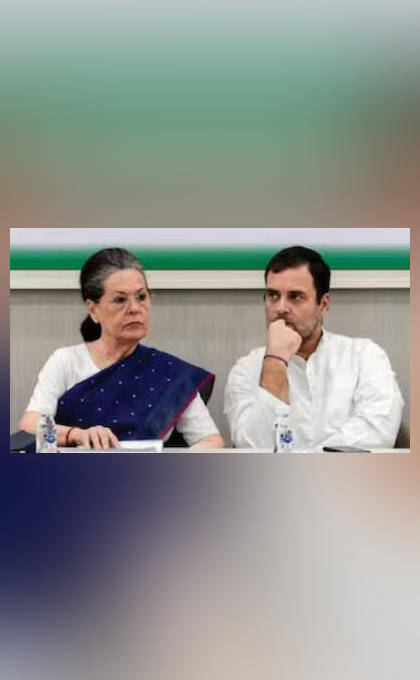
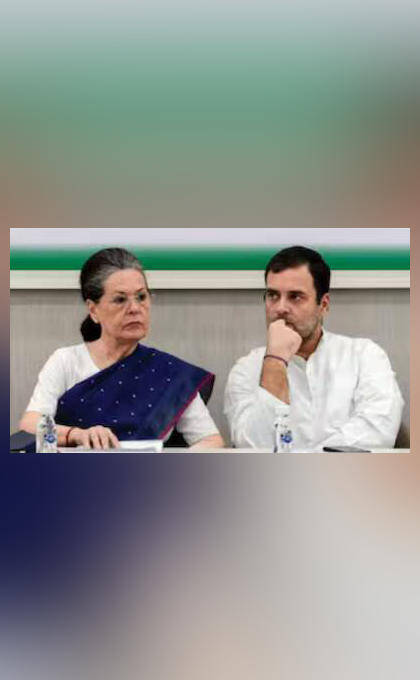
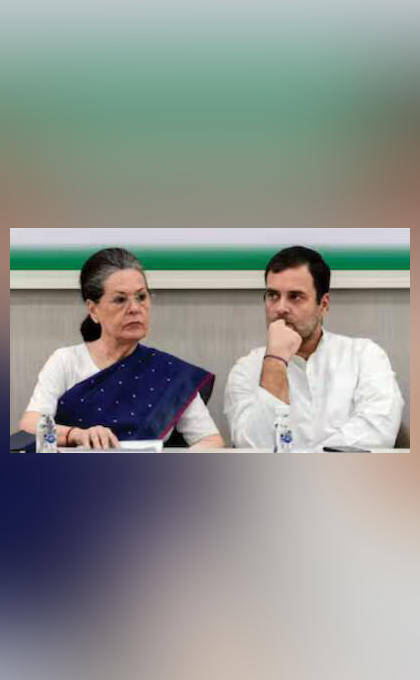
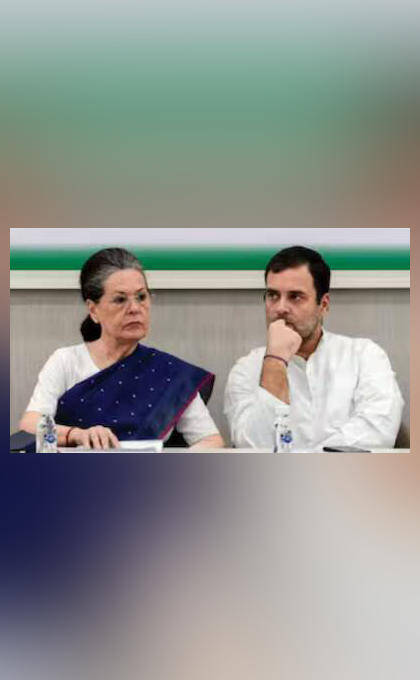
The Enforcement Directorate (ED) has taken a significant step in the ongoing National Herald case by approaching the Delhi High Court to challenge a trial court order. The trial court had earlier declined to take cognisance of the money laundering complaint filed against prominent Congress leaders, including Sonia Gandhi, Rahul Gandhi, and others. This move by the ED is seen as an attempt to revive the case and bring the accused to justice.
At the heart of the National Herald case is the allegation that assets worth over ₹2,000 crore belonging to Associated Journals Limited (AJL) were wrongfully taken over. AJL is the company that publishes the National Herald newspaper, which was founded by Jawaharlal Nehru in 1938. The newspaper has a long history of being a mouthpiece for the Indian National Congress and has been closely associated with the Nehru-Gandhi family.
The ED’s complaint alleges that the Gandhis, along with other accused, illegally acquired assets worth thousands of crores through various means, including the takeover of AJL. The agency claims that this was done through a complex web of financial transactions and shell companies, with the ultimate goal of laundering money and acquiring valuable assets.
The trial court’s decision to decline cognisance of the complaint was seen as a significant setback for the ED and the prosecution. The court had cited lack of evidence and procedural irregularities as the reasons for its decision. However, the ED is now challenging this ruling in the Delhi High Court, arguing that the trial court had erred in its decision and that there is sufficient evidence to proceed with the case.
The National Herald case has been a long-running and highly politicised affair, with the opposition Congress party accusing the ruling Bharatiya Janata Party (BJP) of using the ED and other agencies to harass and intimidate its leaders. The Congress has maintained that the case is a witch-hunt and that the allegations against the Gandhis and other accused are baseless and motivated by political considerations.
On the other hand, the BJP and its allies have accused the Gandhis of corruption and impropriety, alleging that they have misused their power and influence to acquire valuable assets and launder money. The case has been seen as a symbol of the larger battle between the two parties, with the BJP seeking to project itself as a champion of good governance and the Congress fighting to protect its leaders and reputation.
The ED’s move to challenge the trial court’s ruling in the Delhi High Court is likely to be closely watched by politicians, lawyers, and the media. The case has significant implications for the accused, as well as for the broader political landscape of the country. If the ED is successful in its appeal, it could lead to the revival of the case and potentially even the arrest and prosecution of the accused.
However, the case is also fraught with complexities and challenges. The ED will need to demonstrate that it has sufficient evidence to support its allegations and that the trial court’s decision was indeed flawed. The agency will also need to navigate the complex web of legal and procedural issues that have arisen in the case, including questions around jurisdiction, evidence, and the rights of the accused.
As the case unfolds, it is likely to generate significant controversy and debate. The Congress and its allies will likely continue to argue that the case is a politically motivated witch-hunt, while the BJP and its allies will maintain that the ED is simply doing its job in pursuing allegations of corruption and impropriety.
Ultimately, the outcome of the case will depend on the strength of the evidence and the legal arguments presented by the ED and the accused. The Delhi High Court will need to carefully consider the merits of the case and make a decision based on the law and the facts. As the case moves forward, one thing is certain – the National Herald case will continue to be a major talking point in Indian politics and a significant challenge for the accused, the ED, and the judiciary.
About the Author