ED moves Delhi HC against trial court’s ruling in National Herald case
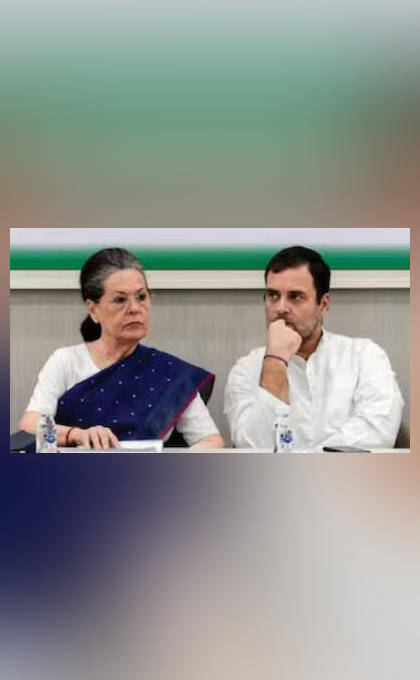
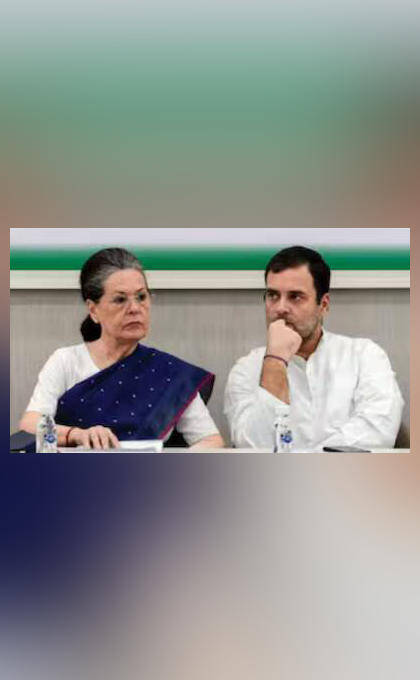
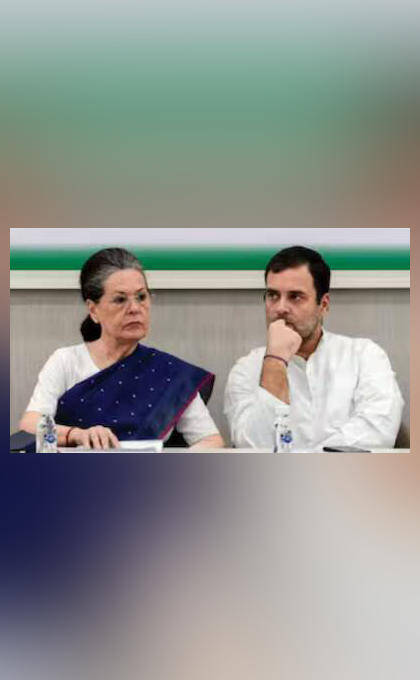
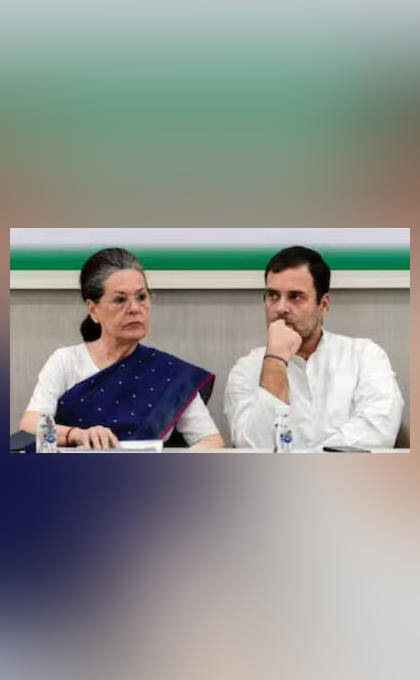
The Enforcement Directorate (ED) has taken a significant step in the National Herald case by approaching the Delhi High Court, challenging the trial court order that declined to take cognisance of the money laundering complaint against Congress leaders Sonia Gandhi, Rahul Gandhi, and others. The ED’s move comes after the trial court’s ruling, which has been perceived as a setback for the investigating agency. The case has been a subject of controversy for many years, with allegations of wrongdoing and corruption levelled against the Gandhi family and other Congress leaders.
At the heart of the case is the allegation that assets worth over ₹2,000 crore belonging to Associated Journals Limited (AJL) were wrongfully taken over. AJL is a company that was founded by Jawaharlal Nehru in 1937, and it published the National Herald newspaper. The company had been struggling financially, and in 2010, it was taken over by Young Indian Private Limited (YIPL), a company in which Sonia Gandhi and Rahul Gandhi have significant stakes. The ED has alleged that the takeover was done in a manner that was designed to benefit the Gandhi family and their associates, and that it involved money laundering and other financial irregularities.
The trial court’s ruling had declined to take cognisance of the ED’s complaint, citing a lack of evidence and other technical grounds. However, the ED has argued that the trial court’s ruling was incorrect and that there is sufficient evidence to proceed with the case. The ED has also argued that the trial court’s ruling has significant implications for the investigation and prosecution of money laundering cases in India.
The National Herald case has been a subject of controversy for many years, with allegations of corruption and wrongdoing levelled against the Gandhi family and other Congress leaders. The case has also been seen as a symbol of the larger struggle against corruption and crony capitalism in India. The ED’s move to challenge the trial court’s ruling in the Delhi High Court is likely to be seen as a significant development in the case, and it is likely to have significant implications for the investigation and prosecution of money laundering cases in India.
The ED’s investigation into the National Herald case has been ongoing for many years, and it has involved the scrutiny of thousands of documents and the questioning of numerous witnesses. The ED has alleged that the takeover of AJL by YIPL was done in a manner that was designed to benefit the Gandhi family and their associates, and that it involved money laundering and other financial irregularities. The ED has also alleged that the Gandhi family and their associates used the takeover to acquire valuable assets and properties, including prime real estate in Delhi and other cities.
The National Herald case has also been the subject of significant political controversy, with the Congress party and its leaders denying any wrongdoing and accusing the BJP and other opposition parties of politicizing the case. The case has also been the subject of significant media attention, with many newspapers and television channels covering the case in detail.
The ED’s move to challenge the trial court’s ruling in the Delhi High Court is likely to be seen as a significant development in the case, and it is likely to have significant implications for the investigation and prosecution of money laundering cases in India. The case is likely to be closely watched by politicians, journalists, and the general public, and it is likely to be the subject of significant media attention in the coming days and weeks.
In conclusion, the National Herald case is a significant and complex case that involves allegations of corruption and wrongdoing levelled against the Gandhi family and other Congress leaders. The ED’s move to challenge the trial court’s ruling in the Delhi High Court is a significant development in the case, and it is likely to have significant implications for the investigation and prosecution of money laundering cases in India. The case is likely to be closely watched by politicians, journalists, and the general public, and it is likely to be the subject of significant media attention in the coming days and weeks.
The case has also raised significant questions about the role of politics and power in shaping the investigation and prosecution of corruption cases in India. The case has also highlighted the need for greater transparency and accountability in the investigation and prosecution of corruption cases, and the need for stronger laws and institutions to combat corruption and crony capitalism.
The ED’s investigation into the National Herald case has been ongoing for many years, and it has involved the scrutiny of thousands of documents and the questioning of numerous witnesses. The ED has alleged that the takeover of AJL by YIPL was done in a manner that was designed to benefit the Gandhi family and their associates, and that it involved money laundering and other financial irregularities. The ED has also alleged that the Gandhi family and their associates used the takeover to acquire valuable assets and properties, including prime real estate in Delhi and other cities.
The case has significant implications for the investigation and prosecution of money laundering cases in India, and it is likely to be closely watched by politicians, journalists, and the general public. The case has also highlighted the need for greater transparency and accountability in the investigation and prosecution of corruption cases, and the need for stronger laws and institutions to combat corruption and crony capitalism.
About the Author