EC using ‘Black magic’ to remove legitimate voters: WB CM
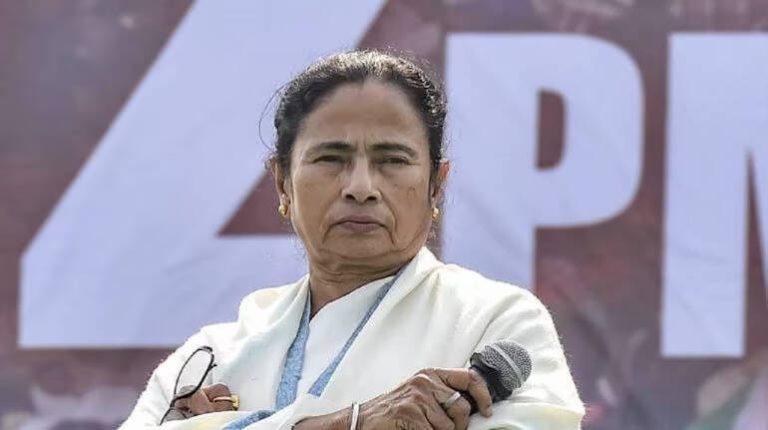
In a shocking and unprecedented statement, West Bengal Chief Minister Mamata Banerjee has accused the Election Commission of India (ECI) of using “black magic” to remove legitimate voters from the electoral rolls. Launching a scathing attack on the commission, CM Mamata said, “They thought that by engaging in a black game and performing black magic they would snatch the democratic rights of the people.” This statement has sparked a heated debate and raised questions about the integrity of the electoral process in the country.
The controversy began when the Election Commission of India announced that it would be revising the electoral rolls in West Bengal, allegedly to remove duplicate and fake voters. However, CM Mamata Banerjee has alleged that the commission is using this as an excuse to remove legitimate voters, particularly those who are likely to vote for her party, the Trinamool Congress. She has claimed that the commission is acting at the behest of the ruling Bharatiya Janata Party (BJP) at the center, which is trying to manipulate the electoral process to its advantage.
The Election Commission of India has denied these allegations, stating that it is simply following the law and trying to ensure the integrity of the electoral process. However, CM Mamata Banerjee remains unconvinced, and her statement about the commission using “black magic” has become a rallying cry for her party and its supporters. The Trinamool Congress has accused the commission of being biased and has demanded that it be reconstituted to ensure fairness and impartiality in the electoral process.
This controversy has raised important questions about the role of the Election Commission of India and its relationship with the government of the day. The commission is supposed to be an independent and impartial body, responsible for ensuring the integrity of the electoral process. However, in recent years, there have been allegations of bias and partisanship, with some opposition parties accusing the commission of acting at the behest of the ruling party.
The use of technology and data analytics has also become a major issue in the electoral process, with allegations of voter profiling and manipulation. The Election Commission of India has introduced several initiatives to use technology to improve the electoral process, including online registration and voter verification. However, these initiatives have also raised concerns about data privacy and security, and the potential for manipulation and bias.
In this context, CM Mamata Banerjee’s statement about the Election Commission using “black magic” to remove legitimate voters must be seen as a symptom of a deeper problem. The electoral process in India is facing a crisis of credibility, with allegations of bias, manipulation, and partisanship threatening to undermine the very foundations of democracy. The Election Commission of India must take these allegations seriously and take steps to address them, including ensuring transparency and accountability in the electoral process.
The commission must also engage with opposition parties and civil society organizations to build trust and confidence in the electoral process. This includes providing access to information and data, as well as ensuring that the electoral rolls are accurate and up-to-date. The commission must also take steps to prevent voter profiling and manipulation, including ensuring that voter data is secure and protected.
Ultimately, the integrity of the electoral process is essential to the health of democracy in India. The Election Commission of India must take its role as a guardian of democracy seriously and work to ensure that the electoral process is fair, transparent, and accountable. This includes addressing allegations of bias and partisanship, as well as ensuring that the electoral rolls are accurate and up-to-date.
In conclusion, CM Mamata Banerjee’s statement about the Election Commission using “black magic” to remove legitimate voters is a serious allegation that must be taken seriously. The Election Commission of India must address these allegations and take steps to ensure the integrity of the electoral process. This includes providing transparency and accountability, as well as ensuring that the electoral rolls are accurate and up-to-date. The commission must also engage with opposition parties and civil society organizations to build trust and confidence in the electoral process.
The people of India deserve a fair and transparent electoral process, and it is the responsibility of the Election Commission of India to ensure that this happens. The commission must take its role as a guardian of democracy seriously and work to build trust and confidence in the electoral process. Only then can we ensure that the democratic rights of the people are protected and that the electoral process is truly free and fair.
About the Author